
Flowers
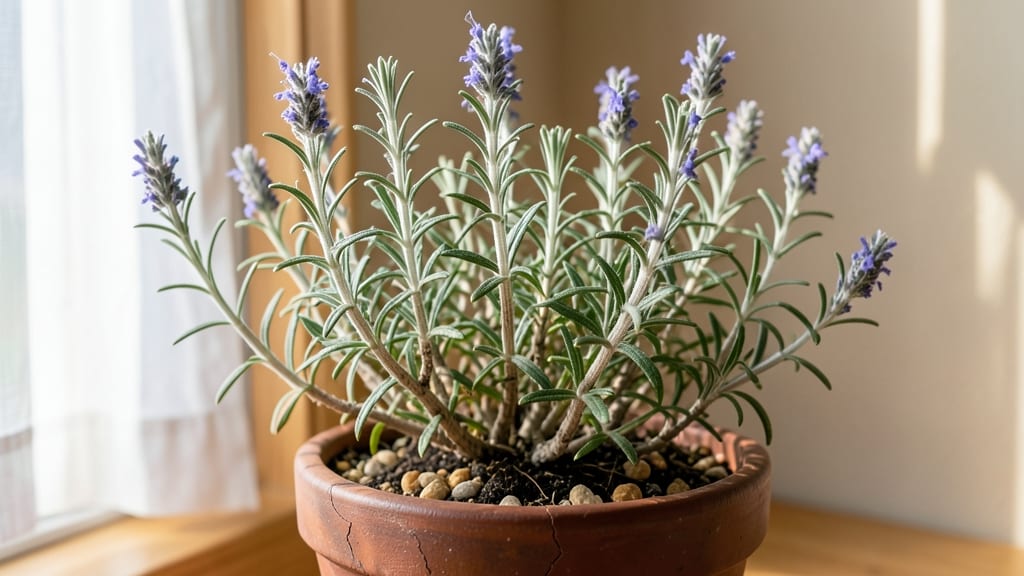
Salvia is a perennial in most climates, thriving through winter dieback or year-round growth depending on the species and hardiness zone.
Most salvia varieties prove their perennial nature by disappearing above ground during winter—only to burst back with vibrant foliage once temperatures rise. 🌱 This dieback cycle isn't a sign of weakness but a survival strategy, with roots remaining dormant yet alive beneath the soil.
For example, Salvia nemorosa (purple sage) handles USDA zones 4-8, while tropical varieties like Salvia leucantha need zone 9+ protection. The key difference lies in their cold tolerance: hardy types regrow annually, while tender species may need winter mulching or container relocation.
What makes salvia's perennial status fascinating is how temperature triggers regrowth. When soil temperatures reach 50-55°F in spring, roots send up new shoots, often before last year's stems have fully browned. This explains why some gardeners mistakenly prune too early—cutting back before the plant's natural cycle completes.
Proper care means waiting until new growth appears before trimming, ensuring the plant's energy stays focused on establishing strong roots for the next season.
💡 In This Article
- Salvia’s Perennial Lifecycle Explained
- How to Care for Salvia as a Perennial Plant
Salvia’s perennial lifecycle explained
Salvia’s perennial nature hinges on its root system, which remains alive even when above-ground growth dies back. The plant’s roots store carbohydrates and nutrients during dormancy, allowing it to regenerate when conditions improve.
This strategy is common among herbaceous perennials, where the plant conserves energy underground—similar to how peonies or hostas survive winter. The key difference is salvia’s ability to regrow from a more compact root base, often producing new shoots within 2-4 weeks of spring’s first warm spell.
Cold hardiness varies dramatically between species. Hardy salvias like Salvia officinalis (common sage) can endure -20°F in zone 5, while tropical varieties such as Salvia splendens (scarlet sage) struggle below 25°F and require zone 10+ protection.
The transition temperature for regrowth typically sits at 50-55°F soil temperature, when root metabolism reactivates. This explains why some gardeners in marginal zones see inconsistent regrowth—fluctuating temperatures can delay or prevent the plant’s natural cycle.
What most people overlook is how salvia’s dieback cycle actually strengthens the plant. By shedding foliage in winter, it avoids energy expenditure on maintaining leaves, instead focusing resources on root development.
This is why well-established salvias often outperform younger plants—their roots have built a robust network capable of supporting multiple stems. For example, a Salvia nemorosa clump with established roots may produce 20-30 stems in a single season, while a newly planted specimen might manage only 5-10.
Temperature isn’t the only factor—light exposure plays a role in triggering regrowth. Salvias planted in full sun receive consistent warmth, which accelerates their spring awakening, while those in partial shade may take 2-3 weeks longer to emerge.
This is why gardeners in cooler climates often place salvias against south-facing walls or fences, creating a microclimate that extends the growing season. The combination of soil warmth and sunlight creates the perfect conditions for root activation.
One common misconception is that salvia’s winter dieback signals death. In reality, it’s a survival mechanism that allows the plant to conserve resources during harsh conditions.
For instance, Salvia apiana (white sage) can remain dormant for months in California’s dry winters, only to burst into growth with the first spring rains. This adaptability is why salvia thrives in such diverse climates—from Mediterranean gardens to desert landscapes.
Understanding this lifecycle helps explain why some salvias seem to disappear completely in winter only to reappear with vigor. The roots remain alive, waiting for the right conditions to resume growth.
This is why proper winter care—such as mulching or protecting tender varieties—can mean the difference between a plant that thrives and one that struggles to return.