
Blooming
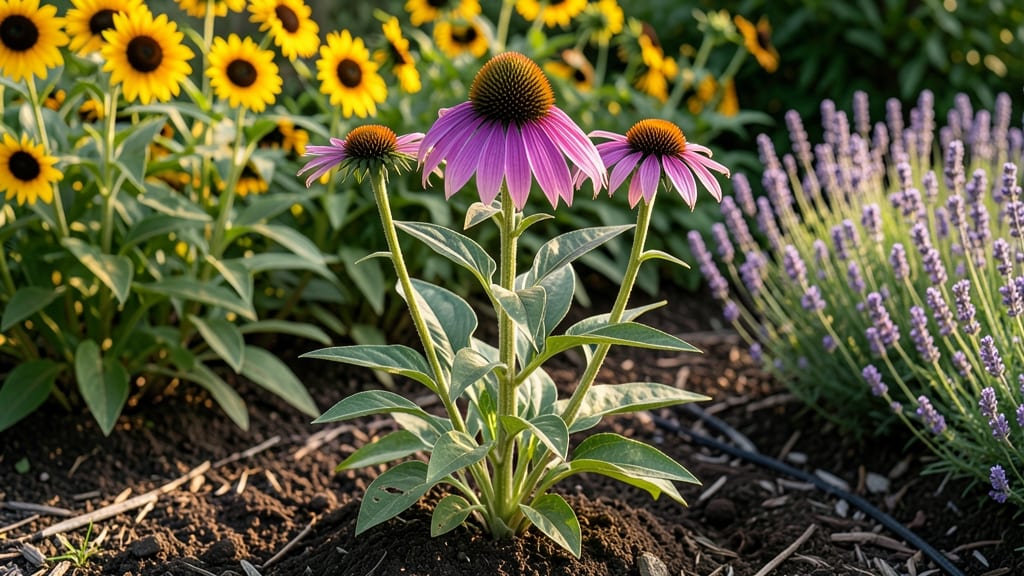
July garden perennials are the unsung heroes of summer—bursting with color while barely asking for anything in return. 🌸 I've learned the hard way that skipping deadheading in July means a sad, leggy plant by August, but with the right perennials and a little routine care, your garden stays vibrant all season long.
The secret? Choose heat-lovers like coneflowers, black-eyed Susans, and Russian sage—they thrive when others wilt. Pair them with shade-tolerant companions like hostas or astilbes for balance. Water deeply in the morning to avoid fungal issues, and fertilize lightly (or not at all) since most perennials prefer lean soil in summer.
By deadheading spent blooms weekly, you'll trigger nonstop reblooming—my coneflowers alone gave me three waves of color last summer. The result? A garden that looks intentional, not overwhelmed, with minimal effort after the initial setup.
Works for sun-drenched borders, pollinator-friendly meadows, or even containers on patios. Let's keep that July garden looking effortlessly stunning without the summer burnout.
📚 In This Guide
- What you need
- Instructions
- Tips and common mistakes
- Wrapping up and next steps
What you need
- ● Perennial plants: Choose from July favorites like Coneflower (Echinacea), Black-Eyed Susan (Rudbeckia), Daylily (Hemerocallis), or Russian Sage (Perovskia). Select 3–5 mature plants (3–4" pots) per variety for full coverage.
- ● Well-draining soil: 1–2 cubic yards of garden soil mixed with compost (20–30%) for nutrients.
- ● Organic mulch: 2–3 bags (2–3 cubic feet each) of cedar chips or pine straw to retain moisture and suppress weeds.
- ○ Gloves & knee pads: Heavy-duty gardening gloves (1 pair) and knee pads (optional but helpful).
- ● Hand trowel: 1 medium-sized (6–8") for planting and soil adjustments.
- ● Watering can or hose: 5-gallon capacity with a gentle spray nozzle for delicate watering.
- ● Slow-release fertilizer: 1 lb of 10-10-10 or fish emulsion for a nutrient boost.
- ● Plant stakes: 3–5 bamboo or metal stakes (12–18" tall) for taller perennials like Russian Sage.
- ● Pruning shears: 1 pair for deadheading spent blooms and shaping plants.
- ● Drip irrigation kit: (For larger gardens) to automate watering and save time.
- ● Garden journal: To track plant progress, blooming cycles, and care notes!
Step-by-step guide to maintaining July garden perennials
July is when perennials demand attention—not to plant, but to thrive. Here’s how to keep them vibrant with minimal fuss.
☀️ Step 1: Water Deeply During Heat Peaks
Perennials need 1-1.5 inches of water per week in July, but shallow watering wastes effort. I water in the early morning when evaporation is lowest, letting the soil absorb moisture slowly. You’ll see wilting leaves or yellowing foliage as the first signs of thirst—don’t wait for crisp edges.
Use a rain gauge or measure with a trowel to track moisture. If the top 3 inches of soil feel dry, it’s time to water again. Mulch helps retain moisture, so if you haven’t applied it yet, spread a 2-3 inch layer around plants (avoid touching stems). This keeps roots cool and reduces watering frequency by up to 30%.
✂️ Step 2: Deadhead and Prune for Continuous Bloom
Deadheading isn’t just for flowers—it’s a way to redirect energy into new growth. For perennials like coneflowers, black-eyed Susans, or daylilies, snip off spent blooms just above the next set of leaves (or the first healthy leaf pair). This prevents seed formation and encourages another flush of flowers before fall.
For leggy perennials like catmint or Russian sage, cut back by one-third to promote bushier growth. Avoid heavy pruning on late-summer bloomers like asters or sedum—they set buds later in the season. Always use clean, sharp shears to prevent disease spread, and sterilize them with rubbing alcohol between cuts.
🌿 Step 3: Fertilize Lightly for Late-Season Strength
July isn’t the time for heavy feeding—perennials are focused on blooming, not leafy growth. Instead, apply a balanced, slow-release fertilizer (like 10-10-10) at half the recommended rate in early July. This gives roots a gentle boost without encouraging weak, floppy growth.
For organic gardeners, a light top-dressing of compost works just as well. Avoid high-nitrogen fertilizers now—they promote leaf growth at the expense of blooms. Water thoroughly after applying fertilizer to prevent root burn. If your perennials look pale or sparse, a foliar spray of seaweed extract can provide micronutrients without overloading the soil.
🛡️ Step 4: Monitor for Pests and Diseases
July’s heat and humidity create the perfect storm for pests like aphids, spider mites, and Japanese beetles. Check the undersides of leaves daily—you’ll spot sticky residue (honeydew) or fine webbing as early warnings. A strong spray of water often dislodges soft-bodied pests, but for stubborn infestations, use neem oil (apply in the evening to avoid harming bees).
Fungal diseases like powdery mildew appear as white, powdery patches on leaves. Improve airflow by thinning crowded plants and avoid overhead watering. If mildew appears, treat with a baking soda spray (1 tsp baking soda + 1 quart water + a drop of dish soap) every 5-7 days until it clears. Always remove and destroy severely infected foliage to prevent spread.
⏰ Step 5: Plan for Fall with Strategic Actions
July is the last chance to divide overcrowded perennials like hostas, daylilies, or peonies. Dig up clumps when the weather cools slightly (late July/early August), separate the roots, and replant or share divisions. This rejuvenates plants and prevents decline from root-bound stress.
For perennials that bolt (like sweet alyssum or snapdragons), pinch back growth to encourage bushier, more compact forms. If you notice yellowing leaves on broadleaf perennials, it might be normal summer decline—but if it’s paired with wilting or blackened stems, the plant may be struggling with heat stress. Move container-grown perennials to shadier spots temporarily if needed.
Tips & tricks for perfect July garden perennials
Keeping your perennials thriving in July’s heat doesn’t have to be complicated—just strategic. These insights will help you maintain vibrant blooms and healthy foliage with minimal effort.
Watering Wisdom: The 1-1.5 inch weekly watering guideline works best when applied consistently. Use a rain gauge or trowel test to verify soil moisture—dryness at 3 inches deep signals it’s time to water. For container perennials, check soil moisture daily; they dry out faster than in-ground plants. Watering in the early morning isn’t just about evaporation—it also prevents fungal diseases by allowing foliage to dry quickly.
Pruning Precision: When deadheading, focus on removing only the spent blooms, not the entire flower head. This maintains the plant’s energy balance for continuous blooming. For late-summer bloomers like asters, avoid any pruning now—their buds are already forming. Sterilizing your shears between cuts is non-negotiable; I keep a small bottle of rubbing alcohol in my gardening toolkit for this purpose.
Fertilizer Timing: The half-rate application of balanced fertilizer in early July is perfect for encouraging blooms without leafy overgrowth. Organic gardeners can use compost instead, but spread it lightly—too much can burn roots. If your perennials look pale or sparse, a foliar seaweed spray provides micronutrients without overloading the soil, and it’s easy to apply with a simple spray bottle.
Pest Prevention: Japanese beetles are particularly aggressive in July—handpick them when you see them, especially on roses and grapes. For aphids, a strong spray of water works wonders, but neem oil is the go-to for stubborn infestations. Apply it in the evening to protect beneficial insects like bees. The baking soda spray for powdery mildew is a game-changer; it’s cheap, effective, and completely safe for plants and pollinators.
Pro Tips for July Garden Perennials
- Keeping your perennials thriving in July’s heat doesn’t have to be complicated—just strategic.
- Watering Wisdom: The 1-1.5 inch weekly watering guideline works best when applied consistently.
- Pruning Precision: When deadheading, focus on removing only the spent blooms, not the entire flower head.
Frequently asked questions
Got questions about keeping your garden vibrant with perennials in July? Here are some common ones—and their answers—to help you garden with confidence!
What are the easiest perennials to grow in July with minimal care?
For low-maintenance July blooms, try coneflowers, black-eyed Susans, or daylilies. These tough plants thrive in heat, need little water once established, and attract pollinators. Pro tip: Mulch around their bases to retain moisture and deter weeds!
Can I still plant perennials in July, or is it too late?
July isn’t ideal for planting most perennials, but cool-season varieties like asters or sedum can still go in—especially in cooler climates. Focus on transplanting established plants or sowing seeds for fall blooms. Avoid stressing new roots with summer heat!
How often should I water perennials in July’s heat?
Water deeply 1–2 times per week (more if your soil is sandy or pots dry out fast). Early morning is best to reduce evaporation. Drip irrigation or soaker hoses save time and water. Watch for wilting—it’s a sign they need a drink!
Are perennials prone to pests in July? How do I prevent them?
Japanese beetles, aphids, and slugs love July perennials! Prevent pests with:
- Neem oil sprays (organic option)
- Handpicking beetles early
- Removing slugs with beer traps or copper barriers
- Encouraging ladybugs with nearby marigolds
How do I keep perennials blooming all summer long?
Deadhead spent blooms regularly to encourage more flowers. Fertilize lightly with a balanced, slow-release formula in early July. For perennials like bee balm, prune back leggy growth by ⅓ to promote bushier, longer blooms.
What should I do if my perennials stop blooming in July?
Over-fertilizing (especially with high nitrogen) or underwatering can halt blooms. Check your plants:
- Are leaves yellow? Adjust watering or test soil pH.
- Too many leaves, few flowers? Prune back ⅓ of the plant.
- Still struggling? Try a bloom booster like phosphorus-rich fertilizer.
Wrapping up and next steps
July is the perfect time to transform your garden into a vibrant, low-maintenance paradise with the right perennials! From sun-loving coneflowers to shade-tolerant hostas, these hardy plants deliver year-round beauty with minimal effort.
Whether you're a seasoned gardener or just starting, these tips and FAQs will help you choose, plant, and care for perennials that thrive effortlessly.
Ready to dive in? Start by sketching your garden layout—consider sunlight, soil, and color themes—to create a cohesive, stunning space that keeps blooming long after July fades. Happy gardening! 🌸✨