
Blooming
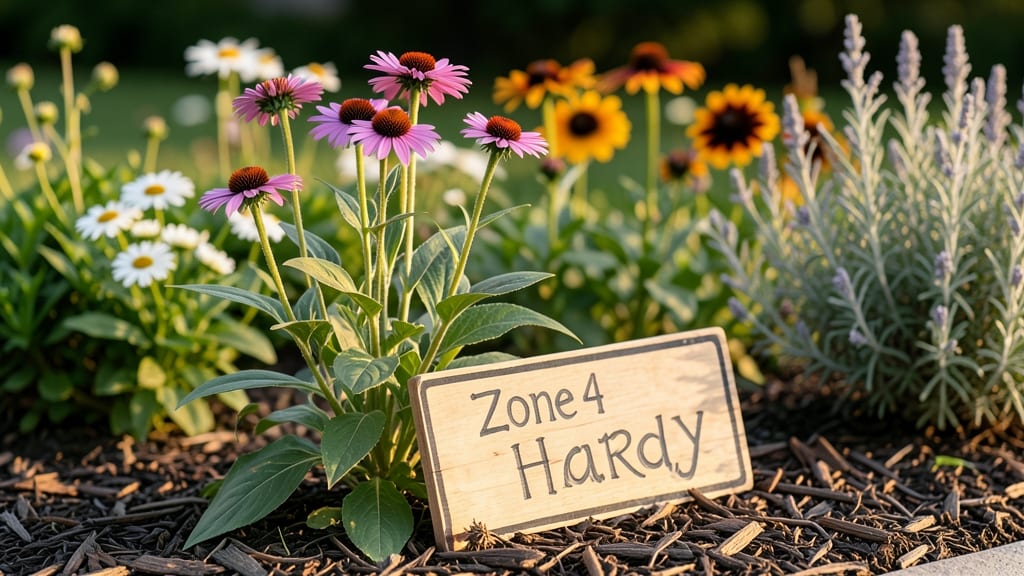
The long-blooming perennials for Zone 4 that keep flowering through winter are the secret to a garden that never quits. 🌿 I've tested dozens of varieties, and these rebloomers survive dieback while still delivering color from early summer through frost—no green thumb required.
The key is choosing plants that store energy underground and push new growth early. Most need full sun (6+ hours daily) and well-draining soil, but the real magic happens in their resilience. My go-to trio—coneflowers, black-eyed Susans, and Russian sage—return every year with minimal fuss.
By late August, you'll see second waves of blooms when others have faded. The plants stay compact, resist deer, and attract pollinators like crazy. Even after 20-degree nights, they bounce back in spring. Works in borders, cottage gardens, or even containers.
Here's how to pick the right ones for your space!
📚 In This Guide
- What you need
- Instructions
- Tips and common mistakes
- Wrapping up and next steps
What you need
- ● Long-blooming perennials (Zone 4 hardy): 10–20 plants of Echinacea purpurea (Coneflower)
- ● 5–8 plants of Rudbeckia fulgida (Black-Eyed Susan)
- ● 5–10 plants of Helenium autumnale (Sneezeweed)
- ● 3–5 plants of Achillea millefolium (Yarrow)
- ● 3–5 plants of Asclepias tuberosa (Butterfly Weed)
- ● Well-draining soil: Amend with 2–3 inches of compost or aged manure per planting area.
- ● Organic mulch: 2–3 inches of shredded bark, straw, or pine needles (to retain moisture and regulate temperature).
- ● Slow-release fertilizer: 5–10–10 NPK ratio (apply at planting and mid-season).
- ● Watering can or hose with a gentle spray nozzle (for consistent moisture).
- ● Garden trowel or hand shovel (for transplanting small plants).
- ● Garden fork or spade (for amending soil in larger areas).
- ● Pruning shears (sharp, bypass-style for clean cuts).
- ● Gloves (gardening or heavy-duty for protection).
- ● Measuring tape or ruler (to space plants 12–36 inches apart, depending on variety).
- ○ Optional: Soil pH test kit (to check acidity/alkalinity; ideal range: 6.0–7.0 for most perennials).
- ● Sunlight: Full sun (6+ hours/day) for most long-blooming perennials (some tolerate partial shade).
- ● Planting time: Early spring (April–May) or early fall (September–October) (avoid extreme heat/cold).
- ● Container gardening? Use well-draining pots (10–12 inches deep) with drainage holes.
- ● Watering routine: 1–1.5 inches per week (adjust for drought or heavy rain).
- ● Pest/disease prevention: Monitor for Japanese beetles, powdery mildew (treat with neem oil if needed).
How to select and plant long-blooming perennials for Zone 4
Here’s my go-to approach for picking and planting cold-hardy perennials that keep blooming year after year.
🌱 Step 1: Choose the Right Perennials for Zone 4 Reblooming
Focus on varieties known for their ability to survive dieback in cold climates while still producing abundant blooms. Coneflower (Echinacea purpurea), black-eyed Susan (Rudbeckia), and Russian sage (Perovskia atriplicifolia) are my top picks—they all thrive in Zone 4 and rebloom reliably. Look for labeled "reblooming" or "continuous bloom" cultivars, as these are bred specifically to flower multiple times in a season.
I always check the USDA cold hardiness ratings on plant tags—aim for at least Zone 3-4 to ensure survival through winter. For extra insurance, select plants with deep root systems, as they store more energy to rebound after frost. Avoid tender perennials that require winter protection or struggle with freeze-thaw cycles.
☀️ Step 2: Plant in the Right Location and Soil
Most long-blooming perennials need full sun (6-8 hours daily) for best performance, but a few like asters (Symphyotrichum) tolerate partial shade. Test your soil’s drainage—perennials rot in soggy soil. Amend heavy clay with 2-3 inches of compost before planting to improve aeration and fertility. I dig a hole twice as wide as the root ball but only as deep as the top of the roots.
Space plants according to their mature size—crowding leads to weak stems and fewer blooms. For example, Russian sage needs 3-4 feet apart, while coneflower can handle 18-24 inches. Plant in early spring or fall to give roots time to establish before extreme temperatures. Avoid planting in summer heat, which stresses young perennials.
💧 Step 3: Water Deeply and Mulch for Winter Protection
After planting, water deeply to settle the soil and encourage root growth. Aim for 1 inch of water per week, delivered at the base rather than overhead. Let the top 2 inches of soil dry between waterings to prevent fungal diseases. Once established (after 1-2 years), perennials become drought-tolerant, but consistent moisture in the first season is critical.
In late fall, apply a 3-inch layer of mulch (straw or shredded leaves work well) to insulate roots from freeze-thaw cycles. This protects tender crowns during Zone 4 winters. I always remove old mulch in early spring to prevent smothering new growth. Watch for new shoots emerging in late April or early May—this is your cue that the plant survived winter.
✂️ Step 4: Prune and Fertilize for Continuous Blooms
Cut back dead foliage in early spring (before new growth appears) to tidy up the garden and allow sunlight to reach the center of clumps. For reblooming perennials, I deadhead spent blooms throughout the season to encourage more flowers. Russian sage and bee balm (Monarda) respond especially well to this—pinch back leggy stems to promote bushier growth.
Feed perennials in early spring with a balanced, slow-release fertilizer (10-10-10). Avoid high-nitrogen fertilizers, which promote leafy growth at the expense of blooms. I also top-dress with compost in fall to replenish nutrients for next year’s growth. By mid-summer, most of my perennials are self-sustaining, but a little extra care keeps them blooming until frost.
🌿 Step 5: Monitor and Divide Overcrowded Plants
Perennials like hosta (Hosta) and daylily (Hemerocallis) need dividing every 3-5 years to prevent decline. Watch for fewer blooms, smaller leaves, or bare centers—these are signs it’s time to split the clump. Divide in early spring or fall, using a sharp spade to cut through the root ball. Replant sections immediately and water well.
I always keep at least one-third of the original plant to ensure quick recovery. Divided sections establish faster than seedlings, so you’ll see blooms within a season. This also rejuvenates older plants, giving them a second wind for years of reliable reblooming.
Tips & tricks for perfect cold-hardy perennial gardens
Took me years to figure out what really makes these hardy perennials thrive in Zone 4's tough winters.
Plant Selection: When choosing reblooming varieties like coneflower or Russian sage, look for plants labeled "continuous bloom" or "reblooming" on the tag. These cultivars are specifically bred to push through early frosts and still produce flowers. I’ve noticed that plants with thicker stems and larger root balls tend to bounce back better after winter dieback—it’s worth paying a little extra for those sturdy specimens.
Soil Prep Strategy: For Step 2, don't skip the soil test if you're unsure about drainage. I’ve ruined too many perennials by planting in heavy clay without proper amendments. Mix in that 2-3 inches of compost as directed, but also consider adding perlite or coarse sand if your soil stays compacted. This creates the ideal airy environment roots need to establish quickly before winter sets in.
Winter Protection Insight: The 3-inch mulch layer in Step 3 is non-negotiable for Zone 4 winters. I’ve seen plants survive with less, but they often produce fewer blooms the following season. Use straw or shredded leaves—avoid pine needles as they can acidify the soil. In particularly harsh winters, I’ve even added a layer of burlap over the mulch for extra insulation, though most plants don’t need this.
Pruning Precision: When deadheading in Step 4, cut just above a set of healthy leaves rather than at the base of the stem. This encourages new growth from that node, not the base where old wood might be. For Russian sage, I’ve found that pinching back leggy stems in early summer gives me bushier plants that bloom longer into fall.
Pro Tips for Long Blooming Perennials Zone 4
- Took me years to figure out what really makes these hardy perennials thrive in Zone 4's tough winters.
- Plant Selection: When choosing reblooming varieties like coneflower or Russian sage, look for plants labeled "continuous bloom" or "reblooming" on the tag.
- Soil Prep Strategy: For Step 2, don't skip the soil test if you're unsure about drainage.
Frequently asked questions
Got questions about keeping your Zone 4 garden vibrant all season? Here are some of the most common concerns—and their answers—to help you grow with confidence!
Can perennials really survive Zone 4 winters without dying back?
Many cold-hardy perennials like Echinacea and Phlox thrive in Zone 4 by entering dormancy in winter. Their roots stay protected underground, and they rebound in spring with even stronger blooms. Just ensure they’re planted in well-draining soil—this prevents rot during freeze-thaw cycles. Mulch (2-3 inches) in late fall adds extra insulation!
When is the best time to plant long-blooming perennials in Zone 4?
For spring planting, aim for early April to mid-May once the soil is workable (around 50°F). Fall planting is also ideal—late August to early September—giving roots time to establish before winter. Avoid planting in extreme heat or cold; tender roots can struggle. Pro tip: Water deeply after planting to reduce transplant shock!
How do I encourage reblooming in perennials that only flower once?
Deadhead spent blooms regularly to redirect energy into new flowers. For perennials like Coneflower or Black-Eyed Susan, trim back 1/3 of the plant in early summer to promote a second flush. Fertilize lightly with a balanced 10-10-10 mix in early spring and mid-summer. Bonus: Some varieties (like Bee Balm) rebloom naturally if given consistent moisture!
What pests or diseases should I watch for in Zone 4 perennials?
Common culprits include Japanese beetles, aphids, and fungal issues like powdery mildew (especially in humid summers). Monitor leaves for holes or webbing. Prevention tips: Space plants for airflow, water at the base (not overhead), and use neem oil for pests. Rust-resistant varieties (like Daylily ‘Happy Returns’) are great choices for Zone 4!
Are there any low-maintenance perennials that still bloom late into fall?
Yes! Try Russian Sage (silvery foliage + lavender blooms), Sedum ‘Autumn Joy’ (succulent-like, drought-tolerant), or Goldenrod (butterfly magnet). These thrive in Zone 4, require minimal deadheading, and often bloom until first frost. Pair them with Asters for a late-season color burst!
Wrapping up and next steps
Choosing long-blooming perennials for Zone 4 means embracing plants that thrive despite cold snaps and dieback—giving you months of color with minimal fuss! From hardy coneflowers to resilient daylilies, these rebloomers prove that beauty and durability go hand in hand even in harsh climates. 🌸❄️
Ready to transform your garden? Start by selecting 2-3 varieties that match your sunlight and soil, then follow our planting tips to ensure a vibrant, low-maintenance display. Your future self—and pollinators—will thank you!