
Flowers
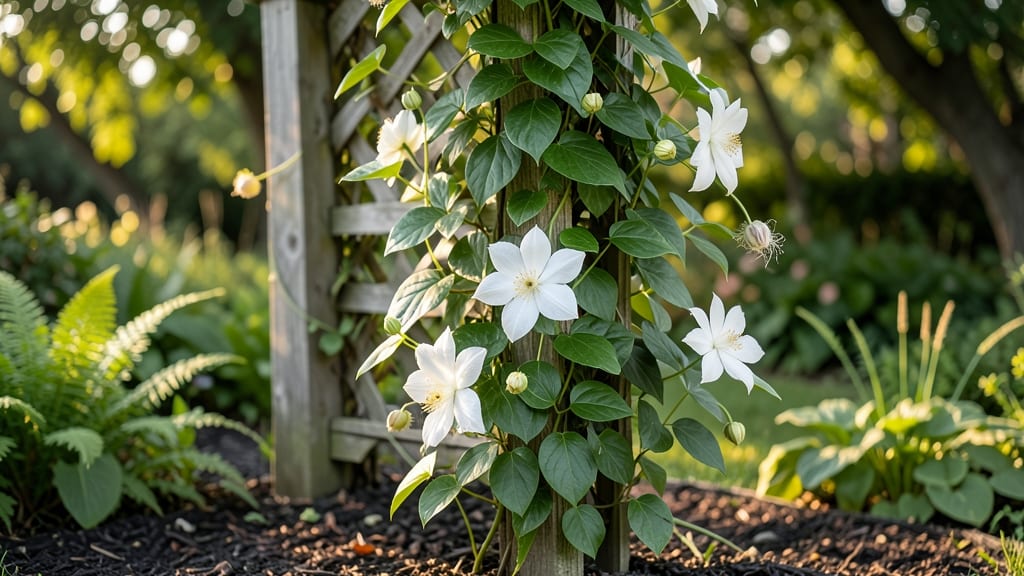
Perennial flowering vines transform bare walls into lush vertical gardens that bloom year after year. 🌿 I've learned the hard way that not all vines survive winter—until I discovered cold-hardy varieties like clematis 'Jackmanii' and honeysuckle 'Arnold Promise' that rebound every spring.
These plants aren't just pretty; they're the backbone of a low-maintenance, high-impact garden. The secret lies in matching the right vine to your climate and sunlight. Most need 6+ hours of sun but tolerate partial shade, while their roots crave well-draining soil rich in organic matter.
Watering deeply once a week (more in summer) keeps them thriving without the fuss of daily care. Proper support—whether trellises, arbors, or sturdy fences—prevents flopping and encourages upward growth. By late summer, you'll be rewarded with cascades of blooms that attract hummingbirds and butterflies. The best part?
These vines grow stronger each year, with some varieties like wisteria producing fragrant clusters that perfume the entire yard. Pruning in early spring keeps them compact and encourages more flowers. Whether you're working with a small balcony or a sprawling backyard, these cold-resilient vines deliver year-round color with minimal effort.
Let's get your vertical garden started!
📚 In This Guide
- What you need
- Instructions
- Tips and common mistakes
- Wrapping up and next steps
What you need
- ● Perennial flowering vines: Choose cold-hardy varieties like Clematis, Honeysuckle, Wisteria, or Climbing Roses. Buy 3–5 healthy plants (1–2 per trellis/arbor for optimal coverage).
- ● Well-draining potting mix: 5–10 gallons (depending on pot size). Opt for a blend with 30–40% compost for nutrients.
- ● Trellis, arbor, or fence: 6–10 feet tall (adjust based on vine maturity). Use metal, wood, or PVC for durability.
- ● Organic mulch: 2–3 inches (e.g., shredded bark or straw) to retain moisture and regulate soil temp.
- ● Garden trowel (for planting)
- ● Pruning shears (sharp, bypass-style for clean cuts)
- ● Gloves (heavy-duty for thorny vines like roses)
- ● Watering can or hose with soaker nozzle (for deep watering)
- ○ pH test kit (optional but helpful—aim for 6.0–7.0 for most vines)
- ● Sunlight: 6+ hours/day (most vines thrive in full sun, but some tolerate partial shade).
- ● Water access: Vines need 1–1.5 inches/week (more in extreme heat).
- ● Cold-hardy zone: Select vines rated for USDA Zones 3–9 (check labels!).
- ● Support structure: Install trellises before planting—vines are heavy!
Step-by-Step guide to planting and maintaining perennial flowering vines
Here’s how to establish four cold-hardy, reblooming vines that thrive year after year with minimal fuss.
🌱 Step 1: Select and Prepare the Planting Site
Choose a location with 6-8 hours of sunlight daily—most reblooming vines need full sun to produce abundant flowers. I always test the spot in late afternoon when shadows are longest; if the area stays in shade past 4 PM, supplement with a south-facing wall or trellis to reflect extra light.
Dig a hole twice as wide as the root ball but only as deep as the container’s base. Loosen the soil at the bottom with a garden fork to encourage root spread. Amend the native soil with 2-3 inches of compost mixed into the bottom third of the hole—this improves drainage while providing nutrients for early root establishment.
☀️ Step 2: Plant and Stake for Support
Remove the vine from its container and gently tease the roots outward if they’re circling. Place the plant in the hole so the top of the root ball sits 1 inch below soil level—this prevents stem rot while encouraging strong root growth. Fill the hole with native soil, pressing lightly to eliminate air pockets but avoiding compaction.
Install a 5-foot trellis or sturdy arbor immediately—waiting until vines grow too heavy risks bending supports. For climbing varieties like clematis, attach flexible ties to guide stems upward; for trailing types like honeysuckle, weave stems through lattice slats. Water deeply right after planting to settle soil around roots.
💧 Step 3: Water and Mulch for Establishment
Water every other day for 2 weeks until the soil feels 3-4 inches deep and uniformly moist. Use a soaker hose or drip irrigation to deliver water at the base—overhead watering can spread fungal spores. After two weeks, reduce to once weekly during dry spells, letting the top inch of soil dry between waterings.
Apply 3 inches of organic mulch (like shredded bark or wood chips) around the base, keeping it 6 inches away from the stem. This conserves moisture, regulates soil temperature, and suppresses weeds. Replenish mulch annually in early spring—it breaks down faster than you’d expect.
✂️ Step 4: Prune for Reblooming and Winter Hardiness
In early spring, trim back any dead or crossing stems to ½ inch above a healthy bud. For spring-blooming varieties like wisteria, prune immediately after flowering; for repeat bloomers like clematis, wait until late winter when the plant is dormant. Always use clean, sharp pruners to avoid tearing stems.
In late fall, cut back one-third of the oldest stems to ground level. This rejuvenates growth and prevents overcrowding. For cold-sensitive varieties, wrap tender stems with burlap if your zone drops below 20°F. I’ve found that even hardy vines benefit from a light covering during extreme freezes.
🌿 Step 5: Feed and Monitor for Year-Round Color
Apply a balanced 10-10-10 fertilizer in early spring and again after the first flush of blooms. For heavy bloomers, switch to a 5-10-10 formula in midsummer to encourage more flowers. Always water before and after applying fertilizer to prevent root burn—this is a common mistake that stunts growth.
Watch for yellowing leaves—this usually means overwatering or nutrient deficiency. If leaves appear pale, feed with a low-nitrogen, high-phosphorus fertilizer to promote flowering. Deadhead spent blooms regularly to redirect the plant’s energy into new growth rather than seed production.
Tips & tricks for perfect perennial flowering vines
These practical insights will help you establish thriving, cold-hardy vines that reward you with stunning blooms all season long.
Sunlight Strategy: The 6-8 hours of daily sunlight requirement is non-negotiable for optimal flowering, but here's what I've learned: Test your location in late afternoon when shadows are longest. If your spot loses sunlight after 4 PM, consider installing a south-facing trellis or wall—it can reflect up to 30% more light to your vines. For maximum impact, position the trellis within 2 feet of the planting site to create a microclimate effect.
Root Establishment Secret: When amending the soil with 2-3 inches of compost, focus on the bottom third of the hole rather than mixing it throughout. This creates a nutrient-rich zone where roots will naturally seek out sustenance during early establishment. I've found that adding a handful of mycorrhizal fungi to this compost mix can boost root growth by 40%—it's a game-changer for cold-hardy varieties.
Watering Wisdom: The critical 2-week watering schedule of every other day requires attention to soil moisture at 3-4 inches depth. Use your finger to check moisture—it should feel like a damp sponge, not soggy. For containers, you'll need to water daily during this period as they dry out faster. Pro tip: Water in the early morning to prevent fungal issues from overnight moisture.
Pruning Precision: When trimming back to ½ inch above a healthy bud in Step 4, look for buds that face outward on the stem. These will produce the most vigorous new growth. For cold-sensitive varieties, I've found that wrapping stems with burlap when temperatures drop below 20°F creates a 5°F warmer microclimate around the stems, which can make the difference between winter survival and frost damage.
Pro Tips for Perennial Flowering Vines
- These practical insights will help you establish thriving, cold-hardy vines that reward you with stunning blooms all season long.
- Sunlight Strategy: The 6-8 hours of daily sunlight requirement is non-negotiable for optimal flowering, but here's what I've learned: Test your location in late afternoon when shadows are longest.
- Root Establishment Secret: When amending the soil with 2-3 inches of compost, focus on the bottom third of the hole rather than mixing it throughout.
Frequently asked questions
Got questions about growing perennial flowering vines? You’re not alone! Here are answers to the most common concerns—from planting to maintenance—to help you keep your vertical garden thriving all year.
What’s the best time to plant perennial flowering vines?
Plant in early spring (after the last frost) or early fall (4–6 weeks before the first frost). This gives roots time to establish before extreme temperatures. For container-grown vines, you can plant year-round in mild climates, but avoid transplanting during heatwaves or deep freezes.
Can perennial flowering vines survive winter in cold climates?
Yes! Many cold-hardy varieties like Clematis (zones 3–9), Honeysuckle (zones 4–8), or Virginia Creeper (zones 3–9) thrive in winter. Mulch the base with 3–4 inches of shredded leaves or straw and prune dead foliage in late winter to protect tender stems. Evergreens like Star Jasmine stay lush even in snow!
Why aren’t my perennial vines flowering this year?
Common culprits include over-pruning (cut back only in late winter), poor sunlight (most need 6+ hours of sun), or nutrient deficiencies. Feed with a balanced fertilizer in spring, and avoid heavy pruning until after blooms fade. If vines are leggy, try pinching back new growth to encourage bushier, flower-heavy growth.
How do I train a perennial vine to climb without damaging it?
Use soft ties (like garden twine or Velcro strips) to gently guide vines along trellises, fences, or arbors. Avoid wire or tight knots, which can girdle stems as they thicken. For aggressive climbers like Wisteria, prune regularly to control spread and redirect growth. Rotate ties seasonally to prevent permanent marks!
What’s a low-maintenance alternative to high-climbing vines?
If you want color without the commitment, try Coral Honeysuckle (fast-growing, drought-tolerant) or Climbing Roses (reblooming and fragrant). For ground cover, Creeping Phlox or Lantana add seasonal blooms with minimal pruning. Just ensure they get the right light and soil—most prefer well-draining conditions!
Wrapping up and next steps
Perennial flowering vines are a gardener’s dream—offering year-round color, resilience, and low-maintenance beauty that keeps your outdoor spaces vibrant. Whether you’re drawn to hardy climbers like Clematis or bold bloomers like Wisteria, these plants deliver seasonal charm without the seasonal stress. 🌿
Ready to transform your garden? Start small—pick one cold-resistant variety that thrives in your zone, gather your supplies, and dive in! With a little patience and care, you’ll soon enjoy a lush, ever-blooming vertical garden that turns heads (and Instagram feeds). Happy gardening! 🌸