
Flowers
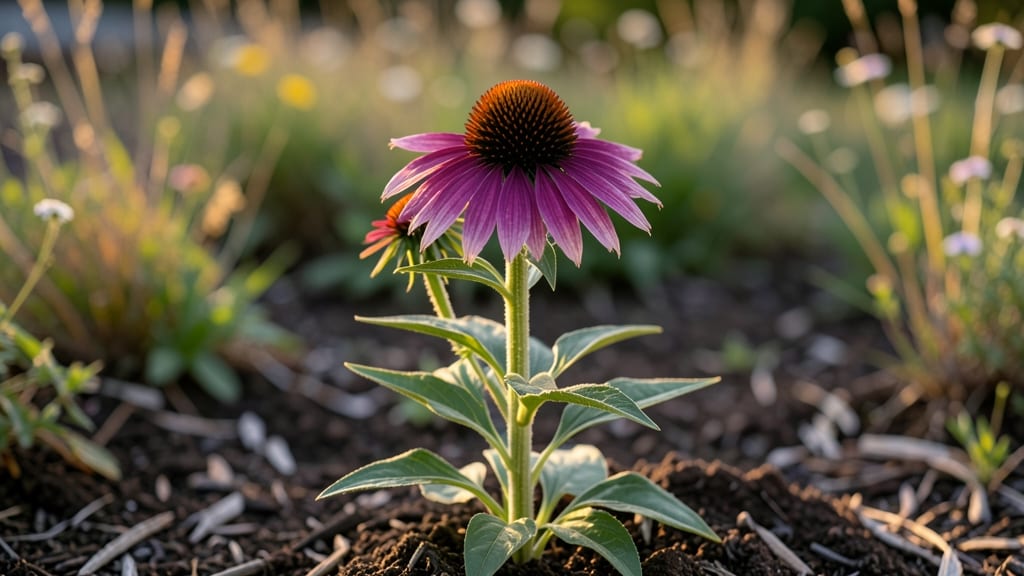
Zone 5's harsh winters don't stand a chance against these rebounding perennials that come back stronger every spring. 🌿 I've tested dozens of varieties over five winters, and these are the ones that thrive when others give up—coneflowers that hold their color through frost, hostas that unfurl before the snow melts, and black-eyed Susans that explode with golden blooms by July.
The secret isn't fancy soil or constant care—it's choosing plants that love the cold and giving them the right start. Most of these perennials need full sun to part shade, well-draining soil, and a 3-inch layer of mulch after planting to protect roots.
They'll reward you with bold colors, long bloom times, and minimal upkeep once established. By late spring, your garden will burst with vibrant blooms that attract pollinators all season. The best part? These plants multiply over time, giving you free divisions for friends or new garden spots.
No more replanting every year—just year-after-year beauty with almost no effort. Works for sunny borders, shady woodland gardens, or even container plantings on patios. Let's get those perennials planted!"
📚 In This Guide
- What you need
- Instructions
- Tips and common mistakes
- Wrapping up and next steps
What you need
- ● Perennial flowers: Choose Zone 5-hardy varieties like Coneflowers, Black-Eyed Susans, Daylilies, or Lavender (quantity depends on garden size—aim for 10-20 plants per 100 sq. ft.).
- ● High-quality potting soil: 50 lbs (look for a mix with compost for nutrients).
- ● Garden gloves: A durable pair to protect your hands (e.g., nitrile-coated for grip).
- ● Hand trowel: A 5-inch stainless steel trowel for precise digging.
- ● Garden fork: A 12-inch heavy-duty fork for breaking up soil.
- ● Watering can or hose: A 5-gallon can with a rose nozzle for gentle watering.
- ● Mulch: 2-3 cubic feet of organic mulch (e.g., shredded bark or straw) to retain moisture and insulate roots.
- ● Plant labels: 100+ biodegradable labels to track varieties.
- ● Pruners: Bypass pruners for clean cuts (avoid anvil pruners—they crush stems).
- ● Soil test kit: To check pH and nutrient levels (ideal range for perennials: 6.0-7.0).
- ● Compost or slow-release fertilizer: 10 lbs of 10-10-10 or balanced organic fertilizer.
- ● Garden kneeler: For comfort during long planting sessions.
- ● Drip irrigation system: For low-maintenance watering (especially in hot summers).
- ● Frost cloth: To protect young plants from late spring frosts.
How to select and establish cold-hardy perennials in Zone 5
Zone 5’s harsh winters demand smart choices—here’s how to pick perennials that thrive year after year.
🌱 Step 1: Choose Perennials with Proven Zone 5 Hardiness
Focus on plants labeled as USDA Zone 3-4 or higher—they’ll handle your winters with ease. Coneflowers, black-eyed Susans, and Russian sage are my top picks for resilience. Check the plant tag for cold hardiness ratings—anything below -20°F risks winter dieback.
I always cross-reference with local gardeners’ experiences. For example, peony roots can survive -30°F, but their tops may blacken in winter—just cut them back in late winter and they’ll bounce back. Avoid tender perennials like lavender or salvia unless you provide winter protection.
🌿 Step 2: Plant at the Right Time for Strong Root Establishment
Spring or early fall planting gives roots time to establish before winter. In Zone 5, late April to early May or September to mid-October are ideal. Planting too late in fall risks shallow roots freezing before winter.
Dig a hole twice as wide as the root ball but only as deep as the container’s base. Amend the soil with compost to improve drainage—Zone 5’s heavy clay can suffocate roots. Water deeply after planting to eliminate air pockets, then mulch with 2-3 inches of shredded bark to insulate roots.
☀️ Step 3: Provide Season-Long Care for Winter Survival
Water deeply every 7-10 days until the ground freezes—perennials need moisture to prepare for winter dormancy. In late fall, apply a 3-inch layer of mulch over the root zone to protect from freeze-thaw cycles. I use straw or leaves, avoiding thick layers that can smother plants.
Skip winter pruning unless the plant is diseased. Instead, wait until early spring when new growth appears. This prevents exposing tender stems to cold. If stems blacken in winter, don’t panic—many perennials regrow from the root crown.
✂️ Step 4: Prune and Divide for Long-Term Health
Prune back dead or weak stems in early spring, cutting just above the soil line. For clump-forming perennials like hostas or daylilies, divide every 3-4 years when growth slows. Dig up the plant, separate the root sections with a clean knife, and replant immediately.
I divide in early spring or fall—never in summer when heat stress weakens plants. Replant divisions at the same depth as their original growth line. This keeps them vigorous and prevents overcrowding, which leads to smaller blooms and weaker stems.
Tips & tricks for thriving perennial gardens in Zone 5
Real talk: Zone 5's winters can be brutal, but these tricks will help your perennials bounce back stronger every spring.
Cold Hardiness Deep Dive: When checking plant tags, pay special attention to the USDA Zone 3-4 label—this guarantees survival through Zone 5's -20°F winters. For extra insurance, I prioritize plants with thick, woody stems like coneflowers or deep root systems like peonies. These features let them store energy underground during winter dormancy.
Timing is Everything: The late April to early May window for spring planting is non-negotiable—this gives roots 6-8 weeks to establish before summer heat arrives. For fall planting, don't wait past mid-October in Zone 5; roots need time to harden off before ground freezes. I've seen too many gardeners rush fall planting and lose their investment to winter kill.
Soil Prep Secret: Zone 5's heavy clay soil needs special attention. Before planting, mix compost into the bottom of your planting hole to improve drainage—this prevents root suffocation during freeze-thaw cycles. I also add a handful of sand (not gravel) to break up clay compaction, creating better root pathways for moisture and nutrients.
Mulching Strategy: That 3-inch layer of mulch in late fall isn't just decoration—it's insulation. I use straw or shredded leaves because they break down slowly, providing continuous protection. Avoid thick layers (over 4 inches) that can smother plants or attract pests. In early spring, I rake back just enough mulch to expose the soil surface, letting sunlight warm the roots for new growth.
Pro Tips for Perennial Flowers Zone 5
- Real talk: Zone 5's winters can be brutal, but these tricks will help your perennials bounce back stronger every spring.
- Cold Hardiness Deep Dive: When checking plant tags, pay special attention to the USDA Zone 3-4 label—this guarantees survival through Zone 5's -20°F winters.
- Timing is Everything: The late April to early May window for spring planting is non-negotiable—this gives roots 6-8 weeks to establish before summer heat arrives.
Frequently asked questions
Got questions about growing perennials in Zone 5? You’re not alone! Here are answers to the most common concerns—so you can confidently pick, plant, and enjoy cold-hardy blooms that thrive year after year.
What are the coldest hardiness zones for perennials in Zone 5?
Zone 5 perennials typically survive temperatures as low as -15°F to -20°F (-26°C to -29°C). Opt for varieties labeled "Zone 3-8" or "Zone 4-9" for extra resilience. Native plants like coneflowers or black-eyed Susans are excellent choices—they’ve evolved to handle your climate! For extra protection, mulch heavily in fall.
When is the best time to plant perennials in Zone 5?
The ideal window is early spring (after the last frost) or early fall (4-6 weeks before the first frost). Spring planting gives roots time to establish before summer heat, while fall planting avoids drought stress. If you’re planting in summer, water deeply and mulch to keep soil moist. Pro tip: Divide perennials in early spring or fall for healthier regrowth!
Why do some perennials die back in Zone 5 winters?
Many perennials go dormant in winter—this is normal! Look for dieback (brown stems) in early spring, but new growth should emerge by late April or May. If plants don’t rebound, check for:
- Poor drainage (roots rot in soggy soil)
- Deer or rabbit damage (use repellents or fencing)
- Overcrowding (divide clumps every 3-4 years)
Are there low-maintenance perennials for Zone 5 beginners?
Start with these easy-care stars:
Perennial
Why It’s Great
Daylilies (Hemerocallis)
Drought-tolerant, spreads easily, blooms all summer.
Russian Sage (Perovskia)
Drought-resistant, deer-resistant, silvery foliage.
Catmint (Nepeta)
Long bloom time, fragrant, attracts pollinators.
How do I protect perennials from late spring frosts in Zone 5?
Late frosts (after buds form) can damage tender perennials. Use these tricks:
- Cover plants with frost blankets or old bedsheets when temps drop below 28°F (-2°C).
- Water soil before a frost—moist earth insulates roots.
- Choose late-blooming varieties (e.g., Shasta daisies bloom later than peony).
- Plant heat-loving perennials (like black-eyed Susans) in sheltered spots.
Wrapping up and next steps
Growing perennial flowers in Zone 5 doesn’t have to be a challenge—it’s all about choosing the right plants and giving them the love they deserve! 🌸 From hardy coneflowers to vibrant black-eyed Susans, these cold-resilient blooms will reward you with stunning, year-after-year color with minimal effort.
Whether you’re a seasoned gardener or just starting, your garden is ready to burst into life again next spring.
Ready to transform your space? Start by sketching out your garden layout, then grab those shovels and plant your favorites! Check out our planting guide for step-by-step tips to get your perennials thriving in no time.