
Companion Plants
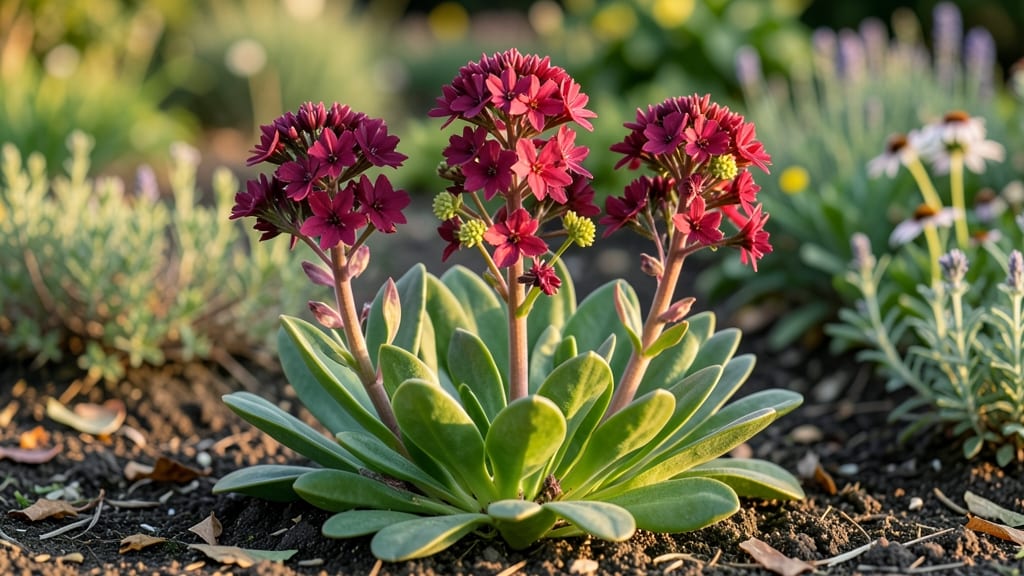
These perennial plants sedum have survived droughts, neglect, and even my occasional "I'll get to it later" moments—because they're basically indestructible. 🌱 These succulent ground covers turn shady corners into lush carpets with almost no effort, and their fall colors outshine any annual you can buy.
The secret lies in their drought-proof nature: once established, they thrive on rainwater alone. Plant them in well-draining soil with 6+ hours of sun daily (they handle shade too, but colors fade), and space them 12-18 inches apart for that dense, meadow-like look.
Most varieties stay under 2 feet tall, making them perfect for borders, slopes, or even rock gardens. You'll love how they bounce back after winter—no mulch needed—and attract pollinators all season.
The real magic happens in fall when foliage turns crimson, gold, or deep purple, lasting weeks longer than most plants. Just avoid overwatering (root rot is their only weakness) and watch them spread effortlessly. Works in zones 3-10, from deserts to rain gardens.
Here's how to make them the star of your landscape!
📚 In This Guide
- What you need
- Instructions
- Tips and common mistakes
- Wrapping up and next steps
What you need
- ● Sedum plants: Choose Sedum spurium, Sedum acre, or Sedum telephium (or a mix!). Buy 3–5 plants per 10 sq. ft. for full coverage.
- ● Well-draining soil: Native soil (amended with compost for poor soil) or
- ● Potting mix (for containers) with perlite or sand (1:1 ratio) to improve drainage.
- ○ Compost or organic fertilizer: 1–2 cups per plant (optional but recommended for nutrient boost).
- ○ Mulch (optional): 1–2 inches of gravel, pebbles, or organic mulch (e.g., straw) to retain moisture and suppress weeds.
- ● Garden trowel or hand shovel (for planting).
- ● Garden gloves (to protect your hands from rough stems).
- ● Watering can or hose with a gentle spray nozzle.
- ● Measuring tape or string (for marking planting areas).
- ● Pruners (for trimming leggy growth or dead foliage).
- ● Container or raised bed (if not planting directly in the ground).
- ● A sunny spot: Sedum thrives in full sun (6+ hours/day) but tolerates partial shade.
- ● Drought-tolerant zone: Ensure your area gets minimal rainfall or has poor soil drainage (sedum hates soggy roots!).
- ● Patience: While sedum spreads quickly, full coverage may take 1–2 seasons.
Step-by-Step guide to planting and maintaining perennial sedum
Here’s how to establish sedum as a low-maintenance, drought-tolerant ground cover that spreads beautifully over time.
🌱 Step 1: Choose the Right Variety and Planting Location
Sedum comes in many varieties, from trailing types like Sedum 'Dragon’s Blood' to upright forms like Sedum 'Autumn Joy'. For ground cover, pick a low-growing variety with a spread rate of 12–24 inches per year. Plant in full sun—sedum thrives with 6+ hours of direct sunlight daily—and tolerates poor, rocky, or sandy soils.
Test your soil’s drainage by digging a hole and filling it with water. If it drains within 10 minutes, the site is ideal. Sedum roots rot easily in soggy conditions, so avoid low spots where water pools. Amend heavy clay with 2–3 inches of coarse sand or gravel to improve drainage before planting.
🪴 Step 2: Prepare the Soil and Plant Correctly
Clear the area of weeds and loosen the soil to a depth of 6–8 inches using a garden fork. Sedum prefers lean soil, so avoid heavy amendments like compost unless your soil is extremely poor. Mix in a slow-release granular fertilizer (5–10–5 ratio) at planting time for a gentle nutrient boost.
Space plants 12–18 inches apart for trailing varieties or 18–24 inches apart for upright types. Dig holes just deep enough to accommodate the root ball without burying the crown. Gently firm the soil around each plant to eliminate air pockets, then water deeply to settle roots. Overwatering now can suffocate young plants—let the soil dry slightly between waterings.
☀️ Step 3: Water and Mulch for Establishment
Keep the soil consistently moist but not soggy for the first 4–6 weeks after planting. Water deeply 2–3 times per week, then taper off as new growth appears. Sedum’s drought tolerance kicks in once established, but young plants need consistent moisture to develop strong roots.
Apply a 2-inch layer of gravel or small rocks as mulch to retain moisture, suppress weeds, and regulate soil temperature. Organic mulches like bark can smother sedum’s shallow roots, so stick to inorganic options. Avoid fertilizing after the first month—sedum grows best in lean conditions.
✂️ Step 4: Prune and Maintain for Long-Term Health
In early spring, trim back any dead or damaged foliage to encourage fresh growth. For flowering varieties like Sedum 'Autumn Joy', deadhead spent blooms in late summer to prolong flowering and prevent self-seeding if you don’t want volunteers popping up elsewhere.
Divide mature clumps every 3–4 years in early spring to rejuvenate growth. Dig up the plant, separate sections with a clean knife, and replant immediately. Sedum spreads aggressively, so contain it with edging or plant it in areas where it can naturalize freely.
🌿 Step 5: Overwinter and Protect from Harsh Conditions
Sedum is hardy in USDA zones 3–10, but young plants may need winter protection in colder climates. In zone 4 or colder, apply a light layer of straw or burlap over the crown in late fall to insulate roots. Remove it in early spring once new growth appears.
In drought-prone areas, sedum’s water needs drop to nearly zero once established. Only water during prolonged dry spells if the foliage looks crispy or stems appear woody. Prune back any frost-damaged growth in late winter to encourage fresh, vibrant new shoots.
Tips & tricks for perfect perennial sedum establishment
Took me years of trial and error to master these key insights—here's how to avoid my early mistakes and set your sedum up for long-term success.
Soil Drainage Test: That 10-minute drainage test in Step 1 is non-negotiable. I learned this the hard way after losing several sedum plants to root rot in heavy clay. If your soil drains slower than 10 minutes, mix in 2-3 inches of coarse sand or gravel before planting—this mimics sedum's natural rocky habitat and prevents suffocation. Think of it as giving your plants a breathable foundation.
Planting Depth Secret: When planting, the crown should sit just above soil level—never buried. I once planted sedum too deeply and struggled with rot for months. The crown needs to stay dry to prevent disease. Gently firm the soil around roots, but don't compact it like you would with heavy feeders. Sedum prefers loose, airy soil that mimics its wild origins.
Watering Strategy: The 4-6 week watering window in Step 3 is critical, but timing matters more than quantity. Water deeply 2-3 times per week in the morning so foliage dries quickly—this prevents fungal issues. After 6 weeks, let the soil dry completely between waterings. I see people overwatering sedum constantly, thinking it needs more moisture than it actually does.
Mulch Choice Matters: That 2-inch gravel mulch isn't just decorative—it's functional. Organic mulches like bark smother sedum's shallow roots, while gravel mimics the rocky terrain sedum thrives in. Plus, gravel reflects sunlight, keeping roots cooler in summer. Just avoid fine gravel that can clog drainage paths between plants.
Pro Tips for Perennial Plants Sedum
- Took me years of trial and error to master these key insights—here's how to avoid my early mistakes and set your sedum up for long-term success.
- Soil Drainage Test: That 10-minute drainage test in Step 1 is non-negotiable.
- Planting Depth Secret: When planting, the crown should sit just above soil level—never buried.
Frequently asked questions
Got questions about growing sedum as your go-to drought-resistant ground cover? You’re not alone!
Here are answers to the most common queries from gardeners—whether you're a beginner or a seasoned pro looking to refine your green thumb.
When is the best time to plant sedum?
Plant sedum in early spring or early fall when soil temperatures are mild (60–75°F). Avoid extreme heat or frost—roots need time to establish before summer’s intensity. For containers, you can plant year-round in cooler climates, but spring is ideal for most regions. Pro tip: Water deeply after planting to encourage root growth!
How much water does sedum really need?
Sedum is famously drought-tolerant, but newly planted sedum needs regular watering (about once a week) for the first month to help roots establish. Once mature, water only when soil is completely dry—typically every 2–3 weeks in summer. Overwatering can lead to root rot, so let the soil dry out between waterings.
What pests or diseases should I watch for with sedum?
Sedum is generally pest-resistant, but aphids, spider mites, and snails may occasionally target it. Keep plants healthy with good airflow, and hose off pests if spotted. Diseases like powdery mildew can occur in humid conditions—ensure 6+ hours of sunlight daily and avoid overhead watering. Prevention is key!
Can sedum grow in full shade?
Most sedum varieties thrive in full sun (6+ hours/day), but a few, like Sedum morganianum (donkey tail) or Sedum ternatum (woodland stonecrop), tolerate partial shade (3–6 hours of sun). Avoid deep shade—growth will be sparse, and leaves may lose their vibrant color. Test your spot: If it’s shady, choose a shade-tolerant variety!
Are there alternatives to sedum for drought-prone areas?
Yes! If you love low-maintenance ground covers, try hen and chicks (Sempervivum), ice plant (Delosperma), or creeping thyme (Thymus serpyllum). For succulent-like textures, echeveria or sedum hybrids (like ‘Dragon’s Blood’) are also stellar picks. Each has unique colors and forms—mix and match for variety!
Will sedum survive winter?
Most sedum varieties are hardy perennials and die back in winter, then regrow in spring. In Zone 5 or colder, mulch with straw or leaves to protect roots. Tender varieties (like ‘Autumn Joy’) may need winter protection, but sedum album (white stonecrop) is one of the hardiest—down to Zone 3!
Wrapping up and next steps
Sedum plants are the ultimate low-maintenance, drought-resistant superstars for any garden—whether you're a seasoned green thumb or just starting your gardening journey! 🌿 Their hardy nature, vibrant blooms, and year-round appeal make them a must-have for effortless beauty.
Ready to transform your outdoor space? Start small by planting a few varieties in a sunny spot, then expand as you fall in love with their resilience.
Next steps:
- Pick your favorite sedum varieties and gather supplies.
- Test your soil and sunlight conditions.
- Plant with confidence—your future garden will thank you!