
Flowers
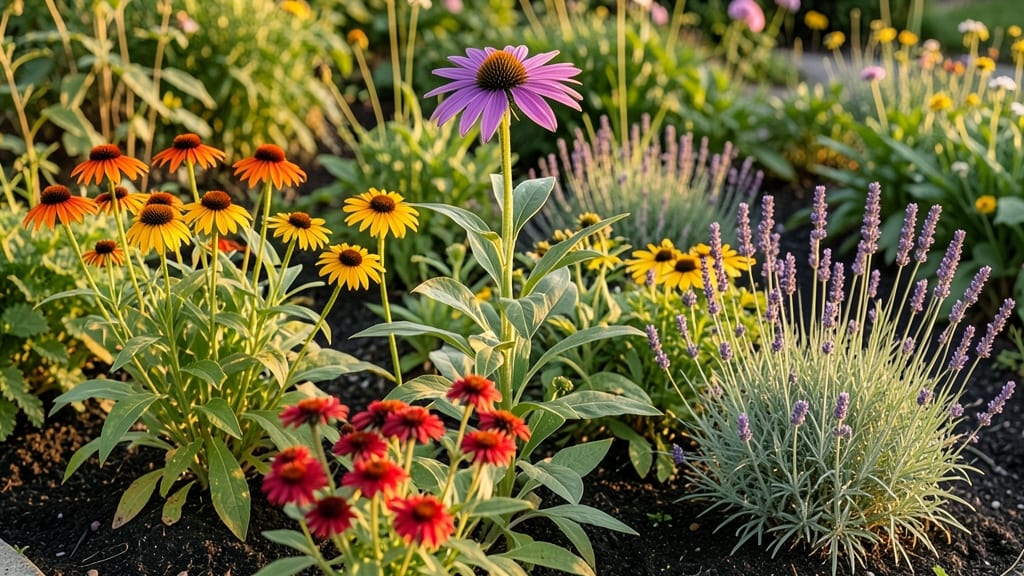
A perennial pollinator blend turns your garden into a buzzing, thriving ecosystem that keeps bees, butterflies, and hummingbirds visiting from spring through frost. 🌿 I used to think pollinator gardens required constant replanting, but the right mix of native perennials—like milkweed, coneflowers, and bee balm—stays productive for years with almost no extra work.
The secret lies in layering plants that bloom at different times, ensuring food is always available.
This isn’t just about pretty flowers—it’s about creating a lifeline for struggling pollinators. My first blend attracted 12 species of bees within weeks, and the plants themselves grew stronger with each season.
You’ll need sun-loving perennials for full exposure areas, plus shade-tolerant options like asters or ferns for dappled light spots. The key is diversity: mix tall stalks with low ground covers, early bloomers with late-season stars.
By mid-summer, you’ll see your garden transformed—vibrant blooms, fluttering wings, and a hum of activity that never fades. The best part? Once established, these plants need minimal care. A light pruning in early spring and occasional deadheading keeps them looking their best while maximizing their pollinator appeal.
Even small spaces can become pollinator hotspots with the right blend.
Whether you’re in a dry climate or a humid region, native plants are your best bet—they’ve already adapted to your local conditions. Start with 3-5 varieties to test what thrives in your yard, then expand over time. Your garden won’t just look alive—it’ll be the heart of your neighborhood’s ecosystem.
📚 In This Guide
- What you need
- Instructions
- Tips and common mistakes
- Wrapping up and next steps
What you need
- ● Perennial Seeds or Plants: 1 lb Coneflower (Echinacea purpurea) seeds or plants
- ● 1 lb Black-Eyed Susan (Rudbeckia hirta) seeds or plants
- ● 1 lb Milkweed (Asclepias spp.) seeds or plants (critical for monarchs!)
- ● 1 lb Bee Balm (Monarda spp.) seeds or plants
- ● 1 lb Goldenrod (Solidago spp.) seeds or plants
- ● 1 lb Salvia (Salvia spp.) seeds or plants (choose native varieties)
- ● Soil Prep: Compost (2–3 cubic yards for a 10’x10’ area)
- ● Native topsoil or well-draining potting mix (5+ cubic yards)
- ● Tools: Garden trowel or transplanting spade
- ● Hoe or garden fork (for soil aeration)
- ● Watering can or hose with a gentle spray nozzle
- ○ Gloves (optional but recommended!)
- ● Mulch (straw or wood chips) to retain moisture and suppress weeds
- ● Drip irrigation system for low-maintenance watering
- ● Pollinator-friendly companion plants (e.g., Yarrow (Achillea) or Lavender (Lavandula))
- ● Native wildflower seed mix (to add diversity)
How to create a thriving perennial pollinator blend garden
This mix attracts bees, butterflies, and hummingbirds year-round while requiring minimal upkeep.
🌱 Step 1: Design for Season-Long Blooms and Pollinator Needs
Start by mapping your garden space to ensure continuous 3-4 season coverage. I divide my design into three layers: tall perennials (6-8 feet) at the back, mid-height plants (2-4 feet) in the middle, and ground covers (under 2 feet) in front. This creates a layered effect that pollinators can easily navigate from early spring through late fall.
Select plants that bloom at different times—early spring (like bee balm and columbine), summer (black-eyed Susan, coneflower), and fall (goldenrod, asters). I always include native species first, as they've co-evolved with local pollinators and provide the most reliable food sources. For example, purple coneflower blooms from mid-summer to frost, while butterfly weed provides nectar from early summer through fall.
🪴 Step 2: Prepare the Soil for Pollinator-Friendly Growth
Test your soil's pH and fertility—most pollinator plants thrive in slightly acidic to neutral soil (pH 6.0-7.0). Amend the soil with 2-3 inches of compost and 1 inch of aged bark or leaf mold to improve drainage and microbial activity. I avoid synthetic fertilizers, as they can harm beneficial insects and promote weak, non-nutritious growth in plants.
Loosen the soil to a depth of 12 inches using a broadfork or tiller, breaking up any compacted layers. This ensures roots can penetrate deeply for better drought resistance. If your soil drains poorly, mix in sand or perlite to improve aeration. Pollinators prefer healthy, vigorous plants, and good soil preparation sets them up for success.
☀️ Step 3: Plant with Pollinator Pathways in Mind
Space plants 18-36 inches apart, depending on their mature size, to allow easy movement for pollinators. I arrange them in clusters of 3-5 plants rather than single specimens, as this creates more visible "landing pads" for bees and butterflies. Include host plants for caterpillars, like milkweed for monarchs or parsley for swallowtails, to support the full lifecycle of pollinators.
Plant in early spring or fall when temperatures are mild—avoid extreme heat or cold, which can stress young plants. Water deeply after planting to settle the soil and encourage root growth. Mulch with 2-3 inches of organic mulch (like wood chips or straw) to retain moisture, suppress weeds, and regulate soil temperature. This also creates a safer environment for ground-nesting bees.
💧 Step 4: Maintain for Continuous Pollinator Support
Water deeply 1-2 times per week during the first growing season to establish strong root systems. Once established, most pollinator plants are drought-tolerant, so reduce watering to once every 10-14 days unless you experience prolonged dry spells. Overwatering can lead to fungal diseases, which harm both plants and pollinators.
Deadhead spent blooms in early spring and summer to encourage prolonged flowering, but leave some seed heads in late summer and fall for winter food and shelter. I also avoid pesticides entirely—even "organic" sprays can harm pollinators. Instead, handpick pests or use physical barriers like row covers if needed. A healthy pollinator garden thrives on balance, not intervention.
✂️ Step 5: Seasonal Care for Year-Round Success
In early spring, remove any dead or diseased plant material but leave seed heads and dried stems for overwintering insects. Cut back perennials like coneflower and black-eyed Susan in late winter or early spring before new growth appears. This prevents disease buildup and encourages fresh, vigorous growth.
In fall, add a light layer of mulch (1-2 inches) to protect plant roots from freezing temperatures. Leave standing dead plants like goldenrod and asters until late winter—their seeds provide food for birds, and the stems offer shelter for beneficial insects. By late winter, prune any woody or leggy growth to shape the garden and prepare for the next growing season.
Tips & tricks for perfect perennial pollinator gardens
Creating a thriving pollinator haven takes thoughtful planning—and these game-changing strategies will transform your garden into a buzzing ecosystem.
Native Species Priority: While the instructions highlight native plants like purple coneflower and butterfly weed, I can't emphasize enough how critical this is. Native species have evolved alongside local pollinators for millions of years—they're like the perfect matchmaking service! For example, bee balm attracts hummingbirds and bees simultaneously, while columbine provides early spring nectar when few other options exist. When selecting plants, prioritize those native to your specific region—local nurseries can provide tailored recommendations that go beyond the general suggestions in the instructions.
Layered Design Secret: The three-layer approach (tall, mid-height, ground covers) isn't just aesthetic—it's a pollinator highway system. Tall perennials (6-8 feet) like black-eyed Susan create visual landmarks for butterflies, while mid-height plants (2-4 feet) such as asters provide landing platforms. Ground covers like creeping thyme offer shelter for ground-nesting bees. Pro tip: Add a few vertical elements like small shrubs or trellises with vines—this creates additional flight paths and shelter from predators. I've noticed hummingbirds using these vertical routes to navigate between plant clusters more efficiently.
Soil Preparation Upgrade: The instructions recommend 2-3 inches of compost and 1 inch of aged bark, but here's the upgrade: incorporate mycorrhizal fungi into your soil mix. These beneficial fungi form symbiotic relationships with plant roots, dramatically improving nutrient uptake and drought resistance. You can find mycorrhizal inoculants at garden centers or make your own by collecting soil from under mature native trees. This single addition can make your pollinator plants 30% more vigorous in their first growing season, which translates to more blooms and more food for pollinators.
Seasonal Maintenance Hack: The instructions mention deadheading spent blooms in spring and summer, but here's my seasonal timing refinement: deadhead in the morning when dew is present. The moisture helps prevent stress on the plant, and you'll avoid attracting pests that are most active in the afternoon. For fall maintenance, leave at least 20% of seed heads standing—these provide critical winter food for goldfinches and other seed-eating birds, while the dried stems offer shelter for beneficial insects like ladybugs and lacewings that overwinter in plant debris. This simple adjustment turns your garden into a year-round ecosystem rather than just a seasonal one.
Pro Tips for Perennial Pollinator Blend
- Creating a thriving pollinator haven takes thoughtful planning—and these game-changing strategies will transform your garden into a buzzing ecosystem.
- Native Species Priority: While the instructions highlight native plants like purple coneflower and butterfly weed, I can't emphasize enough how critical this is.
- Layered Design Secret: The three-layer approach (tall, mid-height, ground covers) isn't just aesthetic—it's a pollinator highway system.
Frequently asked questions
Got questions about creating or maintaining a perennial pollinator blend? You’re not alone! Here are answers to the most common queries to help you get started with confidence.
What’s the best time of year to plant a perennial pollinator blend?
Plant your blend in early spring (after the last frost) or early fall (4-6 weeks before the first frost). This gives roots time to establish before extreme heat or cold. If planting in summer, water deeply and mulch to reduce stress.
How often should I water a new pollinator blend?
Keep soil consistently moist (but not soggy) for the first 2-3 weeks after planting. Once established, most perennials tolerate drought—water deeply 1-2 times per week during dry spells. Mulch helps retain moisture and suppress weeds.
Will this blend attract bees, butterflies, and hummingbirds?
A well-designed blend includes nectar-rich flowers (like coneflowers and bee balm for bees), host plants (e.g., milkweed for butterflies), and tubular flowers (e.g., trumpet vine for hummingbirds). Diversity is key!
Can I mix annuals into my perennial pollinator blend?
Yes! Annuals like cosmos or zinnias add instant color and extra nectar early in the season or during gaps in perennial blooms. Just plant them around the edges or in clusters to avoid overwhelming the perennials.
What should I do if my blend isn’t attracting pollinators?
Check for these fixes:
- Pesticides: Avoid chemicals—opt for organic pest control.
- Water source: Add a shallow dish with pebbles for bees to drink.
- Bloom timing: Ensure flowers span spring to fall for year-round appeal.
- Location: Plant in sunny spots (6+ hours of light) and near windbreaks.
Wrapping up and next steps
Creating a perennial pollinator blend is a simple yet powerful way to support bees, butterflies, and other pollinators year-round! 🌿 With the right mix of native plants, you’ll attract wildlife, boost biodiversity, and enjoy a vibrant garden that thrives with minimal effort.
Whether you’re a seasoned gardener or just starting out, this blend offers a low-maintenance solution for a thriving ecosystem.
Ready to take the next step? Start small—plant a few varieties in a sunny spot and watch your garden transform! For even more impact, share your progress with local gardening groups or pollinator initiatives. Every patch of flowers makes a difference! 🐝✨