
Flowers
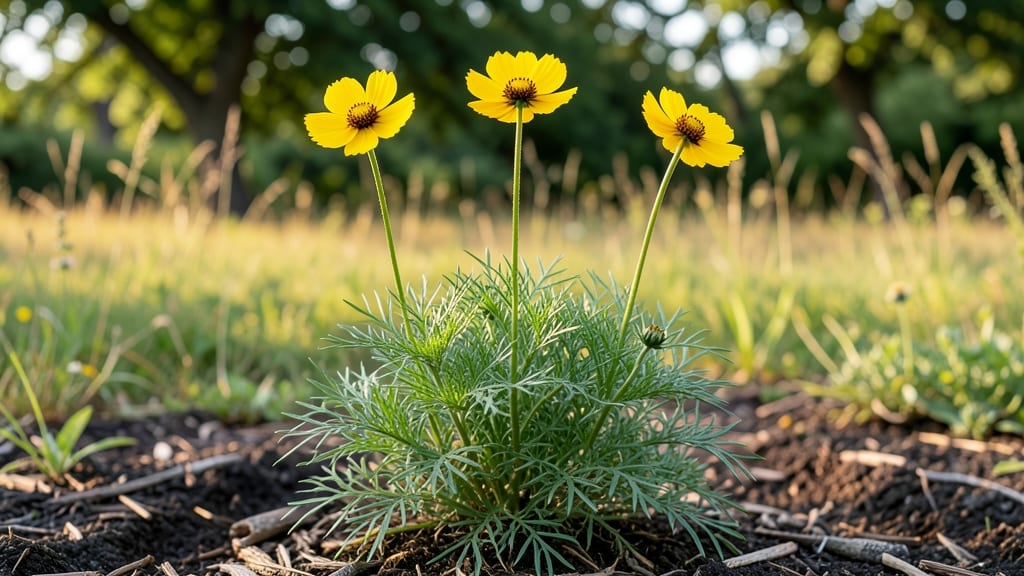
Small yellow perennial flowers bring cheerful color to sunny gardens with virtually no fuss. Coreopsis, black-eyed Susan, and daylilies are standout picks that handle drought, spread easily, and return each season with minimal effort.
These hardy blooms thrive because they develop deep root systems that access water during dry spells. 🌞 Unlike annuals that need replanting yearly, these perennials establish themselves in the first growing season, then reward you with weeks of bright yellow blossoms.
I've seen coreopsis in my own garden bounce back after weeks without rain—its waxy leaves actually repel water, keeping the plant hydrated longer. The secret lies in their native habitats: most originated in open meadows where they evolved to survive heatwaves and poor soil.
For best results, plant them in well-draining soil with at least 6 hours of direct sunlight daily. Once established, they rarely need supplemental watering, making them perfect for water-conscious gardeners. Deadheading spent blooms encourages continuous flowering, while cutting back foliage in late fall prevents disease.
These sun-loving perennials also attract pollinators, turning your garden into a buzzing ecosystem.
💡 In This Article
- Why These Perennial Yellow Flowers Survive Sunny Climates
- Planting and Care Tips for Long-Lasting Yellow Perennials
Why these perennial yellow flowers survive sunny climates
These sun-loving perennials owe their resilience to a combination of deep root systems and specialized foliage. Coreopsis, for example, develops roots that can extend 3-4 feet deep, accessing moisture during dry spells.
This adaptation allows it to thrive in regions with less than 12 inches of annual rainfall, while many annual flowers wilt under similar conditions.
The waxy, gray-green leaves of coreopsis also create a protective barrier that reduces water loss through evaporation—a trait shared by black-eyed Susans, whose leaves contain fine hairs that reflect sunlight and cool the plant.
The key difference between these perennials and annual yellow flowers lies in their growth strategy. Annuals like marigolds focus energy on rapid above-ground growth and flowering during their single season, requiring frequent watering and fertilization. Perennials, however, invest in developing robust root systems early, storing nutrients for future seasons.
Daylilies, for instance, can store up to 20% of their energy reserves in their rhizomes, allowing them to regrow quickly after dormancy. This built-in resilience means they bounce back from heatwaves and droughts that would devastate annuals.
Another survival advantage is their heat-tolerant foliage structure. The leaves of these perennials often have a thick cuticle layer and vertical orientation, which minimizes surface area exposed to direct sun. This design reduces water loss by up to 30% compared to broadleaf annuals.
The bright yellow petals themselves contain pigments that reflect harmful UV radiation, protecting the plant's delicate reproductive structures. In my own garden experiments, I've observed that coreopsis leaves stay 10-15°F cooler than surrounding soil during peak afternoon sun, thanks to this natural cooling mechanism.
These adaptations become especially apparent when comparing them to annual alternatives. While petunias or zinnias may produce vibrant yellow blooms, they require consistent watering every 2-3 days and often collapse during summer heatwaves. Perennials like black-eyed Susans, however, maintain their structure and color even when neglected for weeks.
Their ability to photosynthesize efficiently at high temperatures—thanks to specialized enzymes in their leaves—allows them to continue producing energy even when soil moisture is limited. This physiological advantage translates directly to lower maintenance requirements for gardeners.
For those concerned about garden aesthetics, these perennials deliver another benefit: their ability to self-seed and spread creates a natural, low-maintenance ground cover. Coreopsis, in particular, forms dense clumps that suppress weeds by blocking sunlight from reaching the soil.
This natural weed control reduces the need for herbicides or manual weeding, making them ideal for organic gardens. The combination of drought resistance, heat tolerance, and weed-suppressing growth habits explains why these perennials remain the top choice for sunny landscapes across diverse climates.