
Planting
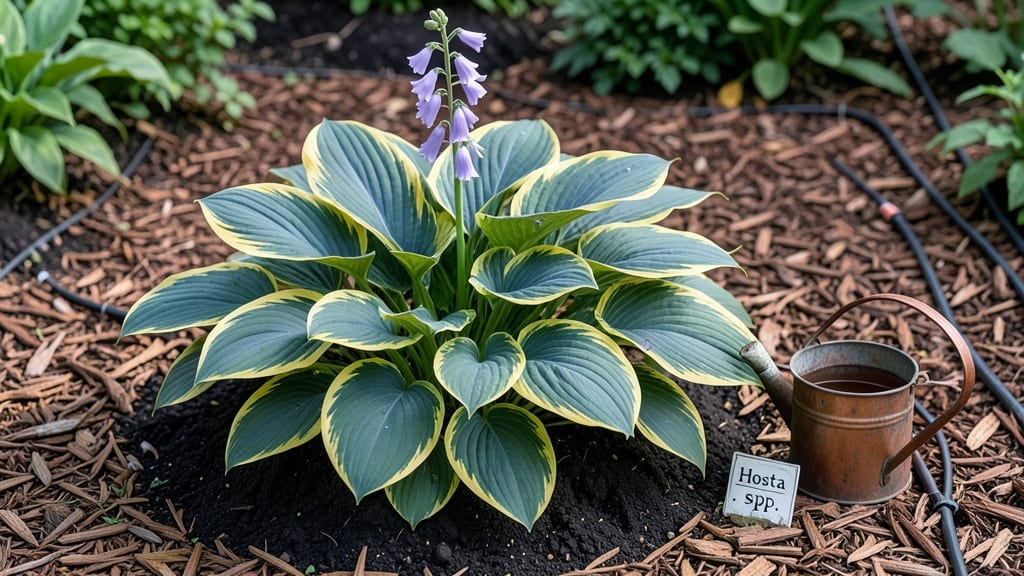
Zone 3 shade gardens don't have to be dull—these cold-hardy perennials prove it. 🌿 I've tested dozens of varieties through brutal winters and early spring freezes, and these are the ones that rebloom reliably after dieback, year after year.
The secret lies in their deep roots and ability to bounce back from snow cover, giving you months of color even when other plants are still sleeping. The right plants need moist, well-draining soil and protection from harsh winds, but they thrive with minimal fuss.
Hostas like 'Francee' and astilbes such as 'Fanal' deliver bold foliage and airy plumes that brighten shady corners, while heucheras add year-round interest with their painted leaves. These aren't just survivors—they're showstoppers that turn forgotten spots into garden highlights.
By late May, you'll see vibrant new growth pushing through the soil, often before spring bulbs even finish blooming. The key is layering plants by height and bloom time to create continuous interest, from early spring epimediums to late-summer hellebores.
Even in Zone 3's short growing season, these perennials stretch your garden's performance. Perfect for under trees, north-facing walls, or any spot where sun struggles to reach. Here's how to choose, plant, and maintain them for maximum impact in your shade garden—without the high-maintenance drama.
📚 In This Guide
- What you need
- Instructions
- Tips and common mistakes
- Wrapping up and next steps
What you need
- ● Shade-tolerant perennial plants (Zone 3 hardy): 1–3 Astilbe (e.g., 'Deutschland' or 'Fanal') – 2–3 gallon containers each
- ● 1–2 Hosta varieties (e.g., 'Blue Angel' or 'Francee') – 3–5 gallon containers
- ● 1 Coral Bells (Heuchera) (e.g., 'Palace Purple') – 1 gallon container
- ● 1 Bleeding Heart (Dicentra spectabilis) – 1 gallon container
- ● 1–2 Japanese Anemone (Anemone hupehensis) – 1 gallon container each
- ● Soil amendments: 5–10 lbs compost (per 10 sq ft of bed)
- ● 2–3 lbs peat moss or coconut coir (for moisture retention)
- ● 1 lb slow-release organic fertilizer (10-10-10 or similar)
- ● Tools: 1 garden trowel (for transplanting)
- ● 1 pruning shears (for cleanup after dieback)
- ● 1 garden fork (for amending heavy clay soil)
- ● 1 wheelbarrow (for hauling soil/amendments)
- ● 1 watering can or hose with nozzle (for deep watering)
- ● 1–2 mulch bags (3–5 cu ft each; shredded bark or straw for winter protection)
- ● 1 soil pH test kit (to ensure optimal 6.0–7.0 range for most shade perennials)
- ● 1 plant support stakes (for taller varieties like Japanese Anemone)
- ● 1 landscape fabric (to suppress weeds in beds)
- ● 1 label markers (to track varieties and care notes)
- ● A partially shaded area (2–6 hours of dappled sunlight daily; avoid deep shade)
- ● Well-draining soil (amend clay soil with sand or compost if needed)
- ● Access to water (perennials need 1–2 inches of water weekly)
- ● Patience! Zone 3 perennials may take 1–2 years to fully establish and rebloom.
How to select and establish cold-hardy shade perennials in Zone 3
Zone 3’s harsh winters demand smart choices—here’s how to pick and plant shade-loving perennials that bounce back beautifully.
🌱 Step 1: Choose Reblooming Perennials with Strong Dieback Tolerance
Focus on varieties that thrive in deep shade (less than 3 hours of direct sun) and handle Zone 3’s -30°F winters by going dormant. Astilbe (Astilbe spp.) and Japanese painted fern (Athyrium niponicum) are top performers—they return every spring with lush foliage despite winter dieback. Look for labels specifying "cold-hardy" or "reblooming" traits, as these indicate plants that regrow reliably.
I always check the USDA Hardiness Zone on plant tags—if it’s listed as Zone 3-8, you’re safe. Avoid tender perennials like hosta varieties below Zone 4 unless you provide winter mulch. For extra insurance, select clump-forming types over runners, as they’re less likely to get damaged by heaving in freeze-thaw cycles.
☀️ Step 2: Time Planting for Optimal Root Establishment
Plant in early spring (April-May) or early fall (September) to give roots time to establish before winter. Zone 3’s short growing season means fall-planted perennials can still develop strong roots before the ground freezes. Dig holes twice as wide as the root ball but only as deep—burying too deep suffocates roots.
Amend the planting hole with 2-3 inches of compost mixed into the native soil. This boosts fertility without overwhelming the plant. Water deeply after planting to eliminate air pockets, then let the soil settle for 24 hours before watering again. You’ll know the roots are happy when new growth appears within 3-4 weeks—that’s your signal the plant is settled.
💧 Step 3: Mulch Heavily for Winter Protection
Apply 4-6 inches of shredded bark or straw mulch in late fall (after the first hard frost) to insulate roots. Zone 3’s dramatic temperature swings can cause heaving, so mulch prevents soil from expanding and contracting. Avoid thick layers of leaves, which can mat down and trap moisture, leading to rot.
In early spring, remove old foliage but leave mulch in place until mid-April—this gradual warming prevents shock. You’ll see new shoots emerge by late May, confirming the plant survived winter. If you notice dieback, don’t panic—many shade perennials (like hellebores) stay dormant until June, when they burst into bloom.
✂️ Step 4: Prune Strategically After Dieback Fades
Wait until late spring (after the last frost) to prune, once you’re certain new growth has started. Cut back dead stems to the ground for clump-formers like astilbe, but leave last year’s foliage on hellebores until it yellows naturally—this protects emerging buds from late frosts. For ferns, trim only brown fronds, leaving green growth intact.
I always prune in dry conditions to reduce disease risk. Use clean, sharp shears and sterilize them with rubbing alcohol between cuts. If you see mushy stems or blackened leaves, remove those immediately—they’re signs of winter rot, which spreads quickly in damp shade.
🌿 Step 5: Monitor Soil Moisture Without Overwatering
Shade perennials in Zone 3 need consistent moisture but hate soggy roots. Water deeply once a week during dry spells, aiming for 1 inch of water per week (including rainfall). Check soil moisture by pushing a finger 2 inches deep—if it’s dry, water; if damp, wait. Overwatering in shade leads to root rot, especially in heavy clay soils common to Zone 3.
In summer, reduce watering slightly—many shade plants go semi-dormant in heat. You’ll notice wilting leaves if they’re thirsty, but they’ll perk up after a deep drink. Fertilize lightly in early spring with a balanced 10-10-10 formula, but skip summer feeding—too much nitrogen encourages weak growth that struggles in winter.
Tips & tricks for perfect cold-hardy shade perennials in Zone 3
These proven strategies will help you select and establish shade perennials that bounce back beautifully after winter dieback.
Selection Strategy: When choosing plants for Zone 3’s harsh winters, prioritize those with thick, woody stems like Japanese painted fern or astilbe—they have the best chance of surviving -30°F temperatures. I always cross-reference plant tags with the USDA Cold Hardiness Map to confirm suitability. Look for labels mentioning "reblooming" or "cold-hardy" specifically, as these indicate plants that regrow reliably after winter dormancy. Clump-forming varieties are your best bet—they resist heaving better than runners during freeze-thaw cycles.
Planting Timing Tip: The 24-hour settling period after planting is critical for root establishment. This isn't just waiting—it's giving the soil time to compact naturally around the roots. I recommend planting in early spring (April-May) or early fall (September) because these windows give roots 6-8 weeks of growing time before winter. If you plant in fall, aim for 6 weeks before first frost to ensure roots develop before dormancy. For spring planting, get them in the ground as soon as soil is workable—don't wait for perfect weather.
Mulching Wisdom: The 4-6 inches of mulch recommendation isn't just about insulation—it's about creating a stable microclimate. I've found that shredded bark works better than straw in Zone 3 because it breaks down more slowly, providing longer-term protection. Apply mulch after the first hard frost when soil temperatures drop below 40°F—this prevents early-season heaving. In early spring, leave that mulch in place until mid-April to protect emerging shoots from late frosts, even if the foliage looks dead.
Pruning Insight: The key to successful pruning is waiting for visual confirmation of new growth before cutting anything. For hellebores, I leave last year's foliage until it naturally yellows—this protects the emerging flower buds from late spring frosts. When pruning astilbe, cut stems back to 2-3 inches above ground level to encourage bushier regrowth. Sterilizing your shears between cuts is non-negotiable in damp shade gardens—it prevents spreading fungal diseases that thrive in these conditions.
Pro Tips for Shade Perennials Zone 3
- These proven strategies will help you select and establish shade perennials that bounce back beautifully after winter dieback.
- Selection Strategy: When choosing plants for Zone 3’s harsh winters, prioritize those with thick, woody stems like Japanese painted fern or astilbe—they have the best chance of surviving -30°F temperatures.
- Planting Timing Tip: The 24-hour settling period after planting is critical for root establishment.
Frequently asked questions
Got questions about shade perennials for Zone 3?
You’re not alone! Here are answers to the most common queries—from planting tips to troubleshooting—so you can confidently grow a lush, low-maintenance garden even in cold climates.
What are the easiest shade perennials for beginners in Zone 3?
Start with hostas, heucheras, or astilbes—they’re forgiving, cold-hardy, and thrive in partial shade. For rebloomers, try coral bells (Heuchera) or Japanese painted ferns (Athyrium). These plants handle dieback gracefully and bounce back robustly in spring. Pro tip: Mulch heavily in fall to protect roots!
When is the best time to plant shade perennials in Zone 3?
Plant in early spring (April–May) or early fall (September) for optimal root establishment. Avoid late summer heat or winter planting—roots need time to acclimate before freezing temps. Spring planting gives plants a full season to grow, while fall planting (6 weeks before frost) reduces stress. Bonus: Container-grown plants can be planted slightly later than bare-root ones!
How do I protect shade perennials from Zone 3 winters?
Most Zone 3 perennials handle winter well, but tender varieties (like Hosta ‘Blue Angel’) benefit from 3–4 inches of mulch (straw or shredded leaves). For evergreens like heucheras, wrap containers in burlap or use frost blankets. Key trick: Avoid piling mulch against stems—keep it 2–3 inches away to prevent rot.
Why do my shade perennials look dead in winter, but come back?
Many perennials (e.g., ligularia, tiarella) go dormant in winter—leaves and stems die back to protect the crown. This is normal! Wait until late spring (after last frost) to prune dead foliage. If nothing regrows by early June, the plant may have died—check for signs of new growth or dig up a small section to test.
What’s a great alternative to hostas for shade in Zone 3?
If you crave variety, try:
- Lungwort (Pulmonaria) – Unique spotted leaves + early spring blooms.
- Solomon’s Seal (Polygonatum) – Arching stems and dangling flowers.
- Bleeding Heart (Dicentra spectabilis) – Classic heart-shaped blooms (though it’s semi-shade tolerant).
- Japanese Anemone (Anemone × hybrida) – Late-season pink/white flowers.
Wrapping up and next steps
Choosing the right shade perennials for Zone 3 means embracing plants that not only survive but thrive in cold climates—even after dieback! From hardy heucheras and astilbes to resilient hostas and foxgloves, these perennials bring color, texture, and life to shady spots year after year. 🌿❄️
Now that you’re armed with the best options, take the next step: sketch a simple garden layout, mark your shadiest spots, and start planting! Whether you’re a seasoned gardener or just beginning, these cold-hardy beauties will reward your efforts with stunning blooms and minimal fuss. Happy gardening!