
Light Requirements
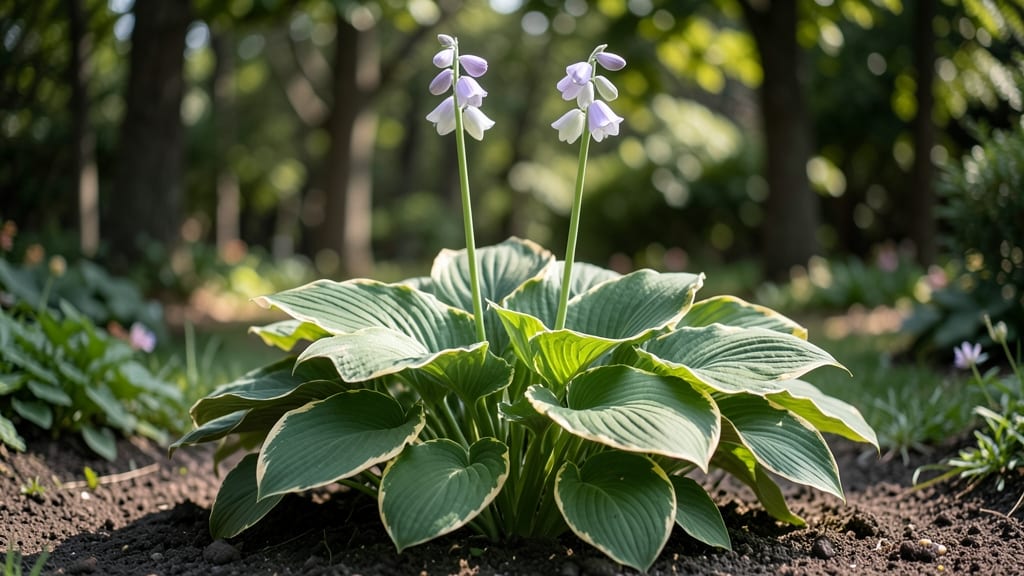
Shade-tolerant perennials turn forgotten corners into lush, vibrant spaces. 🌿 I used to think my shady garden was doomed to moss and weeds—until I discovered these low-maintenance stars that thrive where others fade.
The right plants transform dappled light into a four-season showcase, from delicate spring blooms to fiery autumn foliage. Hostas, heucheras, and astilbes lead the pack with their bold foliage and reliable flowers. My hosta 'Blue Angel' spreads like a living carpet, while heuchera 'Palace Purple' adds jewel-toned contrast all season.
These plants handle humidity, dry spells, and even heavy shade—perfect for under trees or north-facing walls where sunlight barely reaches. What you'll get is a garden that feels alive year-round, with minimal effort. The foliage textures create depth, flowers attract pollinators, and the colors coordinate beautifully with neighboring plants.
My woodland garden now gets more compliments than my sunny borders—all from plants that practically grow themselves. For best results, group plants by moisture needs and height. Pair hostas with ferns for a lush understory, or let astilbes spill over edges for soft, feathery contrast.
The key is layering: tall in back, mid-height in middle, and ground covers up front. Let's bring your shady spots to life!
📚 In This Guide
- What you need
- Instructions
- Tips and common mistakes
- Wrapping up and next steps
What you need
- ● Shade-tolerant perennial plants: Choose from hostas, astilbes, ferns, bleeding hearts, or heucheras (3–5 plants per square foot for full coverage).
- ● High-quality potting soil or garden loam: 1–2 cubic yards (for in-ground planting) or 10–20 bags (for containers). Opt for well-draining, organic-rich soil (amend with compost if needed).
- ● Organic mulch: 2–3 inches of shredded bark, wood chips, or pine straw to retain moisture and suppress weeds.
- ● Slow-release fertilizer: 10-10-10 or balanced organic fertilizer (follow package rates for application).
- ● Garden trowel or transplant spade (for digging small holes).
- ● Garden fork or broadfork (to loosen compacted soil in larger areas).
- ● Watering can or hose with a gentle spray nozzle (for post-planting hydration).
- ● Pruners or shears (for trimming dead foliage or shaping plants).
- ● Gloves (to protect hands from thorns or rough textures).
- ● Container garden supplies: Large pots (12+ inches deep) with drainage holes if planting in containers.
- ● Soil pH test kit (to ensure soil is slightly acidic to neutral, ideal for most shade perennials).
- ● Epsom salt (for magnesium boost, especially for hostas and heucheras).
- ● Drip irrigation system (for automated watering in dry spells).
How to plant and maintain shade-tolerant perennials for year-round beauty
Here’s how I create a lush, low-maintenance perennial garden that blooms reliably even in shady spots.
🌱 Step 1: Choose the Right Plants for Your Shade Conditions
First, assess your shade: dappled light (filtered sun through trees) allows more options than deep shade (no direct sun). For dappled light, I rely on hostas, astilbes, and lungwort—they handle partial sun beautifully. In deeper shade, bleeding hearts, ferns, and hellebores shine. Avoid sun-lovers like lavender or daylilies—they’ll languish.
Check your soil’s moisture level: shade gardens often stay damp longer. If your soil drains poorly, amend with compost and perlite (20% perlite by volume) to prevent root rot. I test drainage by digging a hole, filling it with water, and timing how long it takes to drain—more than 6 hours means poor drainage.
🪴 Step 2: Prepare the Soil for Healthy Root Growth
Clear the planting area of weeds and rocks, then loosen the soil to a depth of 12 inches with a garden fork. Shade-tolerant perennials need fertile, well-aerated soil—I mix in 3 inches of compost and a handful of balanced organic fertilizer (10-10-10) per square foot. This ensures roots get the nutrients they need without competing with weeds.
For heavy clay soil, add 1 part peat moss or coconut coir to 3 parts native soil to improve structure. Work the amendments into the soil until it looks dark and crumbly. Avoid tilling too deeply—8-10 inches is plenty—or you’ll disrupt beneficial fungi that help roots absorb nutrients.
☀️ Step 3: Plant at the Correct Depth and Spacing
Dig holes twice as wide as the root ball but only as deep as the container’s root level—planting too deep suffocates roots. Gently remove plants from containers and tease apart any circling roots. Place each plant in its hole, then backfill with native soil, pressing lightly to eliminate air pockets. Water deeply to settle the soil.
Spacing matters: hostas and astilbes need 18-24 inches apart, while bleeding hearts and ferns thrive 12-18 inches apart. Overcrowding leads to disease and weak growth. Mulch with 2-3 inches of shredded bark or leaves to retain moisture and suppress weeds. Keep mulch 2 inches away from stems to prevent rot.
💧 Step 4: Water and Maintain for Long-Term Success
Water newly planted perennials deeply once a week for the first month, ensuring moisture reaches 6 inches down. After establishment, most shade perennials need water only when the top 2 inches of soil feel dry—check with your finger. Overwatering in shade is a common mistake; yellowing leaves often signal too much moisture.
Fertilize lightly in early spring with a low-nitrogen, high-phosphorus fertilizer (like 5-10-10) to encourage blooming. Deadhead spent flowers on astilbes and hellebores to prolong blooms, but leave seed heads on ferns and lungwort for winter interest. Divide clumps every 3-4 years in early spring—hostas and astilbes benefit most from this.
✂️ Step 5: Prune and Protect for Seasonal Transitions
In late winter or early spring, cut back dead foliage from perennials like astilbes and hellebores to make room for new growth. Leave ferns and lungwort until spring—their dried fronds provide winter texture. If slugs or snails are a problem (common in shade gardens), apply diatomaceous earth around plants or use beer traps filled with beer and buried at soil level.
Protect tender perennials like heuchera from late-fall frosts by covering them with 2-3 inches of mulch. In early spring, remove mulch gradually to avoid shocking roots. Watch for powdery mildew on hostas—improve airflow by thinning dense foliage and apply neem oil as a preventive spray if needed.
Tips & tricks for perfect shade-tolerant perennial gardens
These practical insights will help you create a thriving shade garden that requires minimal effort but delivers maximum beauty year-round.
Plant Selection Wisdom: When choosing between dappled light and deep shade perennials, observe your garden throughout the day. Dappled light areas receive filtered sunlight for only part of the day, so plants like hostas and astilbes will thrive there. For true deep shade spots, bleeding hearts and ferns become your best allies. I always test my shade by placing a white board in the spot for a week—if it stays mostly white, it's deep shade. This simple test prevents costly mistakes with sun-loving plants.
Soil Preparation Secret: The 12-inch soil loosening depth in Step 2 is crucial, but don't stop there. I've found that adding a thin layer of worm castings (about 1/2 inch) mixed into the bottom of each planting hole provides an instant nutrient boost for new roots. The worms create perfect tunnels that improve drainage while their castings act as a slow-release fertilizer. This extra step gives your perennials a stronger start, especially in heavy clay soils where nutrients often get locked up.
Spacing Strategy: While the instructions specify 18-24 inches for hostas and 12-18 inches for ferns, I recommend adding 2-3 inches to these measurements if your garden receives any morning sun. The extra space prevents leaf competition and allows better airflow, which is particularly important in humid shade gardens where fungal diseases can spread quickly. Think of it as creating a microclimate where each plant has room to breathe and grow to its full potential.
Watering Technique: The 6-inch deep watering requirement in Step 4 is essential, but timing matters just as much. I always water in the early morning (before 8 AM) to give plants time to absorb moisture before the heat of the day. In particularly dry shade (like under evergreens), I'll water twice weekly for the first month to ensure the soil stays consistently moist. The key is to water deeply but infrequently—this encourages deep root growth rather than shallow, weak roots that depend on frequent surface watering.
Pro Tips for Shade Tolerant Perennials
- These practical insights will help you create a thriving shade garden that requires minimal effort but delivers maximum beauty year-round.
- Plant Selection Wisdom: When choosing between dappled light and deep shade perennials, observe your garden throughout the day.
- Soil Preparation Secret: The 12-inch soil loosening depth in Step 2 is crucial, but don't stop there.
Frequently asked questions
Got questions about shade-tolerant perennials?
You’re not alone! Here are answers to the most common queries to help you pick and grow the best low-light bloomers for your space.
What are the best shade-tolerant perennials for beginners?
Start with easy-care options like heuchera (coral bells), hostas, or astilbe. These thrive in partial shade with minimal fuss. For color, try bleeding heart (Dicentra) or foxglove (Digitalis). All handle dappled light beautifully and require little maintenance once established.
How long does it take for shade perennials to establish?
Most shade-tolerant perennials take 1–2 growing seasons to fully establish. Focus on consistent watering (especially the first year) and mulch to retain moisture. Patience pays off—once rooted, they’ll bounce back yearly with minimal effort!
Can shade perennials handle full shade (no direct sunlight)?
Some can, but most prefer partial shade (2–6 hours of dappled light daily). True full-shade lovers include fern varieties, Hellebores, and Lungwort (Pulmonaria). Check plant tags for specific light needs—over-shading can lead to leggy growth or fewer blooms.
What pests or diseases should I watch for in shade perennials?
Common issues include slugs (especially on hostas), aphids, and powdery mildew in humid conditions. Prevent slugs with diatomaceous earth or beer traps. For mildew, improve airflow and avoid overhead watering. Most perennials are tough—just act fast if you spot problems!
Can I mix shade perennials with sun-loving plants?
Yes! Use them as transitional layers—place shade lovers near trees or north-facing walls, while sun plants get the edge of the bed. Just avoid overcrowding; give each plant its space to thrive. A well-layered garden balances light and creates depth!
Wrapping up and next steps
Transforming shady spots into vibrant gardens is easier than you think! Shade-tolerant perennials like heuchera, hostas, and bleeding hearts bring color and life to low-light areas with minimal effort.
These hardy plants not only survive but thrive in dappled sunlight, offering year-round beauty with low maintenance and high rewards.
Ready to elevate your garden? Start small—pick one or two perennials that catch your eye, plant them in well-draining soil, and watch your shady corners bloom! 🌿 For extra inspiration, sketch a simple layout or browse local nurseries for varieties that suit your space. Happy gardening!