
Planting
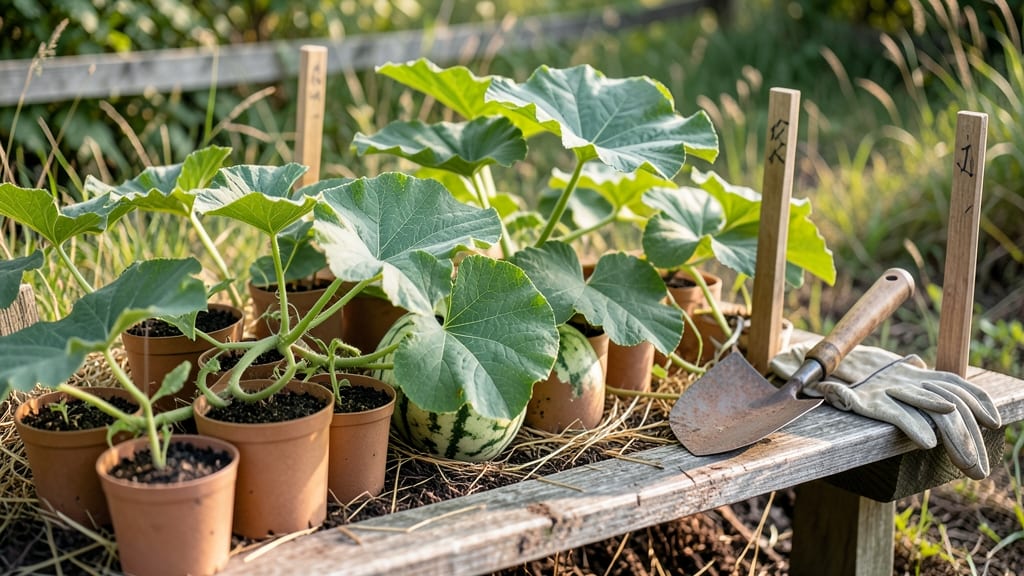
Proper Sugar Baby watermelon spacing 🍉 is the difference between a handful of small, seedy fruits and a bountiful harvest of sweet, juicy melons.
If you’ve ever planted these vines too close together, you know the struggle: crowded plants compete for sunlight and nutrients, leaving you with bitter, undersized watermelons—or worse, no fruit at all.
In this guide, I’ll break down the ideal spacing for Sugar Baby watermelons, whether you’re working with a small garden bed, containers, or even a trellis to save space.
You’ll learn how to adjust spacing for your garden size, spot common mistakes before they ruin your crop, and maximize your yield with science-backed layouts.
Optimal Sugar Baby watermelon spacing for small gardens: square foot vs. row planting
If you’ve ever planted Sugar Baby watermelons only to end up with small, underripe fruit or powdery mildew on your vines, chances are your spacing strategy is the culprit.
These compact watermelons need just the right amount of room to thrive—too little, and they’ll compete for nutrients; too much, and you’ll waste precious garden space.
The key lies in balancing vine spread (up to 6 feet wide) with fruit development, especially in small gardens where every inch counts.
For small-space gardeners, the choice between square-foot gardening and traditional row planting can make or break your harvest. Square-foot methods maximize efficiency by dividing space into 1-foot grids, while rows offer simplicity but may leave gaps.
Both have pros, but Sugar Baby watermelons—with their 3–5 lb fruit and sprawling vines—demand careful planning. Let’s break down the best approaches to fit your garden’s layout.
Pro Tip: Always plant Sugar Baby watermelons in well-draining soil with a pH of 6.0–6.8. Amend clay soil with compost to prevent root rot, and avoid fresh manure, which can burn tender roots. A 2–3 inch layer of mulch will also conserve moisture and suppress weeds—critical for vines that sprawl widely.
Here’s how the two methods compare, including vertical trellising options to save space and boost yields:
| Method | Spacing (Per Plant) | Plants per 4'x4' Bed | Vine Management | Yield Potential | Best For |
|---|---|---|---|---|---|
| Square-Foot Gardening | 1 plant per 1 sq ft (3–4 ft apart) | 4 plants | Prune aggressively to 2–3 main vines; use vertical trellis for 1–2 vines | 2–3 fruit per plant (smaller but consistent) | Urban gardens, raised beds |
| Traditional Rows | 4–5 ft apart in rows (6 ft between rows) | 1–2 plants per 4' length | Let vines sprawl or train 1–2 vines up trellis | 3–5 fruit per plant (larger, higher yield) | Large gardens, in-ground plots |
| Vertical Trellising | 2–3 ft apart on trellis (vines trained upward) | Up to 8 plants per 4'x4' bed | Prune to 1–2 main vines; use strong trellis (6+ ft tall) | 1–2 fruit per vine (cleaner, easier harvest) | Balconies, small patios, vertical gardens |
When using square-foot gardening, place 1 Sugar Baby watermelon in each 1-foot square of your grid. This method works beautifully in raised beds or container gardens, but you’ll need to prune vines ruthlessly to prevent overcrowding.
Limit each plant to 2–3 main vines and remove any sucker growth that forms at the base. For vertical trellising, use a 6-foot tall A-frame trellis or sturdy stakes to train 1–2 vines upward, leaving the rest to trail.
This saves space and keeps fruit off the ground, reducing rot risk.
Companion planting can also optimize your Sugar Baby watermelon spacing. Pair them with bush beans or radishes, which fix nitrogen in the soil and deter pests like cucumber beetles. Avoid planting near potatoes or squash, as they compete for the same nutrients and attract similar pests. If space is extremely limited, consider interplanting with fast-growing greens like lettuce or spinach, which you can harvest before the watermelons need full space.
One common mistake is assuming that closer spacing will produce more fruit. In reality, overcrowded Sugar Baby watermelons develop smaller, seedy fruit and are prone to powdery mildew due to poor airflow. If you’re short on space, reduce plant numbers rather than cramming them together.
For example, in a 4-foot square raised bed, stick to 4 plants max (1 per square foot) and prune vines to 2 feet long to encourage upward growth and larger fruit.
To maximize fruit size, focus on pollination. Sugar Baby watermelons are self-pollinating, but gentle hand-pollination (tap flowers lightly with a paintbrush) can boost yields in small gardens where bees may struggle to reach.
Also, water deeply but infrequently—aim for 1–2 inches per week—to prevent blossom-end rot or cracked rinds. Mulch heavily around plants to retain moisture and keep roots cool, especially during hot summer afternoons.
If you’re growing Sugar Baby watermelons in containers, choose 5-gallon pots or larger (at least 18 inches deep) and use a lightweight potting mix with perlite for drainage. Plant 1 vine per container and place pots in full sun.
Container-grown watermelons may produce smaller fruit, but with proper care, you can still harvest 3–4 lb melons by late summer. Just be prepared to harvest earlier than in-ground plants, as containers dry out faster.
Remember, the
How to adjust spacing for different garden sizes: from containers to raised beds
Growing Sugar Baby watermelons in small spaces doesn’t mean sacrificing sweet, juicy fruit. The key is adapting vine spacing to your garden’s layout—whether you’re using 5-gallon containers, raised beds, or a sun-drenched balcony.
Tight quarters can actually boost flavor and improve pollination when done right, but overcrowding leads to stunted growth and bitter fruit.
For container gardening, one Sugar Baby plant per 5-gallon pot is ideal, but your raised beds or balcony planters need strategic adjustments. Pruning vines early prevents overcrowding while maximizing fruit production.
Let’s break down the best spacing for each setup to ensure your watermelon vines thrive without competing for resources.
- 1
- 2
- 3
- 4
- 5
In raised beds, a 2x4 ft grid lets you fit 4 Sugar Baby plants with 3 feet between vines, leaving room for companion planting. Pair them with bush beans or radishes to utilize vertical space efficiently.
If your bed is smaller, reduce to 2 plants and use trellis supports to keep vines off the ground.
For balcony gardens, prioritize lightweight containers with drainage holes and place them where vines can sprawl across railings. Avoid plastic pots—they overheat roots. Instead, choose fabric grow bags or terracotta for better airflow and moisture control.
Remember, pruning isn’t optional in tight spaces. Regularly pinch off side shoots to encourage main vine growth and fruit development. This simple step can double your yield in containers and small beds by focusing energy on fewer, larger melons.
With these adjustments, your Sugar Baby watermelons will thrive—whether you’re growing in a 5-gallon pot or a 4x8 ft raised bed. The secret? Balance spacing, prune strategically, and give them full sun. Your taste buds (and Instagram feed) will thank you! 🌱🍉