
Flowers
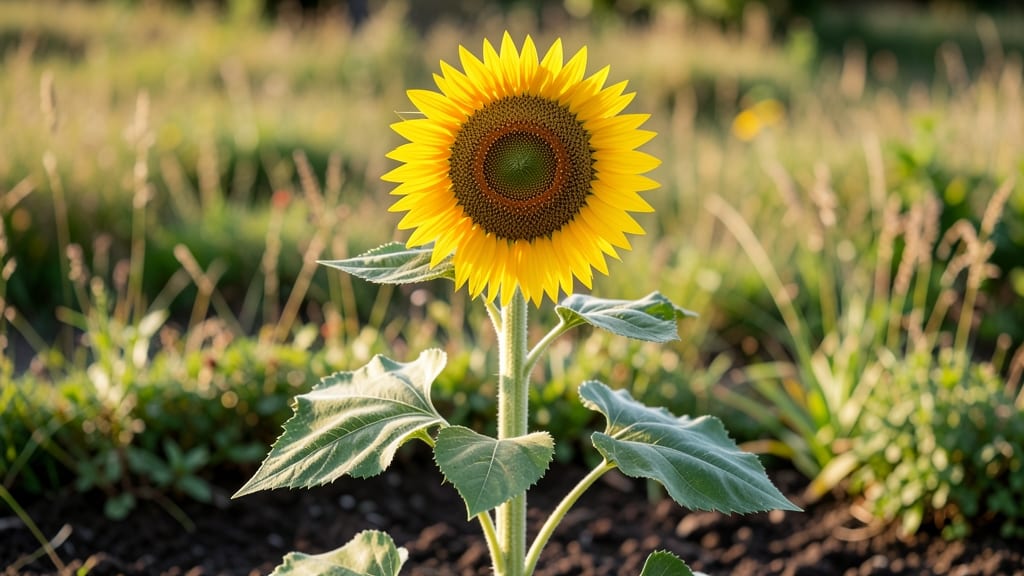
Deciding whether the Sunfinity sunflower is a perennial or annual depends on your climate: in frost-free zones, it thrives as a perennial, while in colder regions, it behaves like an annual, dying back each winter before regrowing from its hardy root system.
This behavior isn't just about temperature—it's tied to the plant's ability to survive dormancy. 🌱 In warmer climates where frost never hits, Sunfinity sunflowers maintain their foliage year-round and produce multiple blooms per season.
However, when temperatures drop below 25°F, the above-ground growth blackens and falls away, but the root crown remains alive underground, ready to push new shoots when spring arrives. This resilience makes it a fantastic low-maintenance option for gardeners in transitional zones.
What's fascinating is how this cycle mirrors other hardy perennials like coneflowers or black-eyed Susans. The key difference? Sunfinity sunflowers have a more dramatic "reset button"—their towering stems and vibrant blooms make them stand out, but their survival strategy is just as clever as their showy appearance.
For gardeners in colder areas, understanding this cycle means you can plan for next year's growth while still enjoying this sun-loving beauty during its active season.
💡 In This Article
- Sunfinity Sunflower’s Dieback Cycle Explained
- How to Extend Sunfinity Sunflower’s Lifespan as a Perennial
Sunfinity sunflower’s dieback cycle explained
The Sunfinity sunflower's annual dieback isn't just about cold weather—it's a sophisticated survival mechanism triggered by photoperiod and temperature shifts. When nighttime temperatures consistently drop below 50°F for several weeks, the plant's meristem (growth tissue) detects the seasonal change and begins redirecting energy from foliage to its root crown.
This process creates a natural dormancy similar to how peonies or daylilies prepare for winter, but with one key difference: Sunfinity sunflowers prioritize energy storage in their thick, fleshy roots rather than bulbs.
Here's where frost sensitivity becomes critical: while the roots can tolerate temperatures down to 15°F, the above-ground stems and leaves freeze at 25°F or lower. This selective damage forces the plant into a protective state where only the root crown remains metabolically active.
The roots contain stored carbohydrates that fuel regrowth in spring—a process that can begin as early as 45°F soil temperatures. In warmer climates like Zone 8 and above, this cycle never fully completes, allowing Sunfinity sunflowers to bloom continuously throughout the year.
What makes this cycle particularly fascinating is how it adapts to local microclimates. In coastal areas where ocean breezes moderate temperatures, you might see partial dieback or staggered regrowth patterns. Meanwhile, inland gardeners often experience more dramatic cycles due to sharper temperature swings.
This adaptability explains why Sunfinity sunflowers thrive in such diverse regions—from the Mediterranean to the Pacific Northwest—while maintaining their signature 3-4 foot stature and 3-4 inch blooms.
The regrowth process begins when the root crown receives consistent moisture and 60°F soil temperatures. New shoots emerge from the base, often within 2-3 weeks of spring's arrival, demonstrating how efficiently this plant converts stored energy into rapid growth.
This resilience makes Sunfinity sunflowers ideal for gardeners who want low-maintenance, long-lasting color without annual replanting in suitable climates.
Understanding this cycle helps explain why some gardeners report their Sunfinity sunflowers returning year after year in Zone 7, while others in Zone 6 need to replant annually. The difference often comes down to winter severity and soil insulation.
In colder microclimates, even a 3-inch layer of mulch can mean the difference between survival and dieback, highlighting how small details in garden care can dramatically influence this plant's perennial behavior.
For those curious about the science, this dieback cycle is an example of "seasonal quiescence" in plants—a state where metabolic activity slows dramatically without complete dormancy.
Unlike true perennials that maintain some above-ground growth, Sunfinity sunflowers go through a more dramatic reset, which is why they're often classified as "tender perennials." This distinction explains why they can't survive harsh winters but still offer perennial benefits in milder climates.
The takeaway? Sunfinity sunflowers are nature's perfect balance between annual showiness and perennial reliability—when given the right conditions. 🌿