
Watering
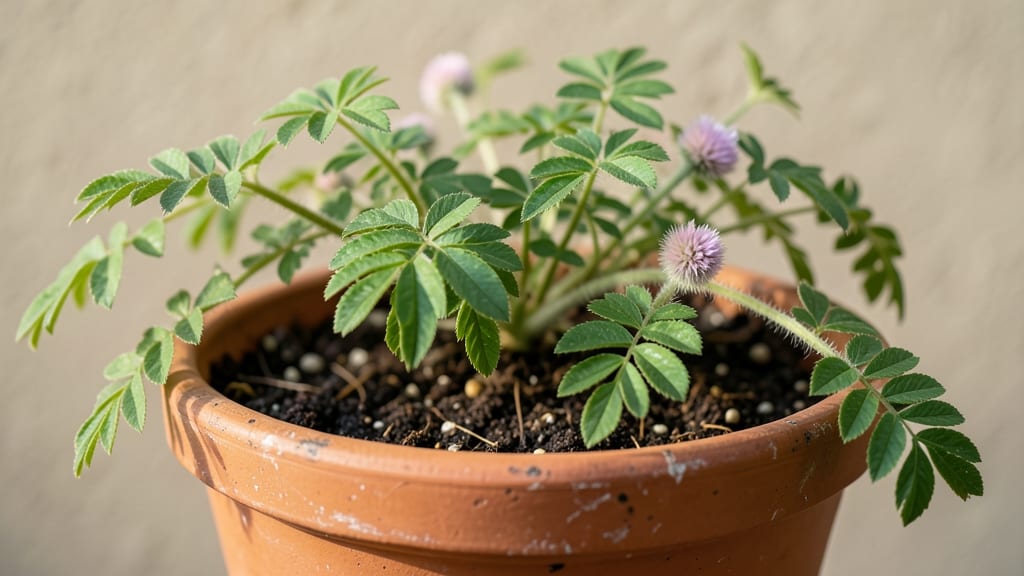
The water mimosa plant brings a splash of pink to gardens where most flowers fade in cold weather—its delicate blooms stay vibrant even when temperatures dip.
If you love vibrant blooms but struggle with cold winters, the water mimosa (Neptunia) could be your new favorite perennial—its delicate pink flowers thrive even in chilly zones when most gardens fade to brown.
This hardy shrub thrives in USDA Zone 6a and beyond, making it perfect for spring planting after the last frost. Unlike fussy flowers, it tolerates humidity, drought, and even partial shade, while still attracting pollinators.
Below, I’ll share the exact care secrets to keep your water mimosa blooming year after year—from soil prep to winter protection and everything in between.


How to grow water mimosa in cold climates: soil, sun, and survival tips
If you've ever dreamed of a garden bursting with color even in winter, the water mimosa (Neptunia) might just be your secret weapon. This tropical-looking plant thrives in USDA zones 5-9, making it one of the few perennials that keeps blooming when most gardens go dormant.
The key lies in mimicking its natural wetland habitat while protecting it from freezing temperatures.
Unlike traditional mimosas, this aquatic-adapted variety loves moist, well-draining soil combined with high humidity. In colder zones, I've found that adding a thick layer of mulch around the base can make all the difference between a plant that survives and one that thrives year-round.
Let's break down exactly how to create these perfect growing conditions.
| Growing Factor | Ideal Conditions | Cold Climate Adaptations |
|---|---|---|
| Sunlight Needs | 6-8 hours daily | South-facing containers for winter |
| Soil Type | Peat-based, 6.0-7.0 pH | Add perlite for drainage |
| Water Requirements | Consistently moist | Use frost blankets in winter |
| Winter Hardiness | Zones 5-9 | Root insulation with straw |
| Fertilization | Balanced 10-10-10 | Reduce feeding in fall |
| Bloom Period | Spring to frost | Extend with greenhouse |
For soil preparation, I recommend mixing equal parts peat moss and perlite to create that perfect airy, moisture-retentive medium. The water mimosa's roots need oxygen almost as much as they need water.
In my zone 6 garden, I've seen dramatic improvements by amending the native clay soil with composted pine bark—this mimics its natural bog environment while improving drainage.
When it comes to sunlight exposure, these plants absolutely crave light but can handle partial shade in the hottest afternoons. In colder climates, I position mine in south-facing containers during winter to maximize warmth while protecting them from harsh winds.
A simple clear plastic dome over potted plants has extended my blooming season by nearly two months.
The real magic happens with winter protection. After the first frost, I wrap the base of each plant with burlap and straw, creating an insulating blanket that prevents soil temperature swings.
For container plants, I move them to an unheated garage or under an eave where temperatures stay above 25°F. This simple technique has kept my water mimosas alive through zone 5 winters.
Don't overlook the importance of pruning for cold climates. In late winter, I cut back any dead growth by about one-third, which encourages fresh new shoots when temperatures rise. I've found that plants pruned this way bounce back faster in spring and produce more vibrant blooms throughout the season.
The key is to never prune after mid-summer, as new growth won't have time to harden off before winter.
One common mistake I see is overwatering in winter. While these plants love moisture, they enter a semi-dormant state when temperatures drop. I've learned to reduce watering to every 2-3 weeks during winter months, only enough to keep the soil from drying out completely.
This prevents root rot while maintaining just enough moisture for survival.
To maximize year-round color, I've had great success combining water mimosas with winter jasmine and heather plants. This trio creates a stunning display from early spring through late fall.
The secret is planting them in raised bog gardens where water levels can be carefully controlled—this gives you the perfect balance of moisture without waterlogging.
For gardeners in zone 4 or colder, consider growing water mimosas in large containers that can be moved indoors during winter. A bright windowsill or under grow lights will keep them alive, and they'll be ready to plant out again in spring.
I've even seen them rebloom indoors during winter if given enough light—though the flowers won't be as prolific as outdoors.
Remember that water mimosas are sensitive to touch like their mimosa relatives, so avoid excessive handling of the foliage. This unique trait makes them fascinating to watch but means you'll want to position them where they won't get disturbed by pets or children.
With the right care, your water mimosa will reward you with continuous blooms that outshine most garden plants—even in winter.
5 Key mistakes killing your water mimosa (and how to fix them)
Your water mimosa might look stunning at first glance, but behind those delicate pink blooms, subtle mistakes can silently sabotage its health. I’ve seen even experienced gardeners make these common errors that lead to yellowing leaves, sparse flowers, or—worst of all—plant death.
The good news? Each issue has a simple fix, and I’ll walk you through them step by step.
The water mimosa thrives on balance—too much or too little of almost anything throws it off. Whether it’s overwatering in soggy soil or pruning at the wrong time, these mistakes often go unnoticed until your plant starts struggling.
Let’s tackle the top 5 killers and restore your mimosa to its vibrant best.
First on the list: overwatering. I’ve watched water mimosas drown in pots with no drainage holes, their roots suffocating in standing water. The fix? Use a moisture meter or stick your finger 1 inch deep—if it’s damp, wait.
For container plants, ensure pots have drainage holes and elevate them on saucers to prevent waterlogging.
Next up: poor drainage. Heavy clay soil or compacted garden beds trap excess moisture, creating root rot. Amend your soil with perlite or sand to improve airflow.
If planting in-ground, choose a spot where water naturally drains within 24 hours. A simple soil test can reveal if your garden needs these adjustments.
Incorrect pruning is another silent killer. Trimming at the wrong time or cutting too aggressively removes next year’s flower buds. Always prune after blooming (late summer) and never cut more than 1/3 of the plant at once. Use clean, sharp shears to avoid damaging stems.
Don’t overlook nutrient imbalances. Too much fertilizer burns roots, while too little starves your mimosa. Feed with a balanced 10-10-10 fertilizer every 6 weeks during growing season (spring to early fall). Organic options like compost tea work well too—just avoid heavy-handed applications.
Finally, ignoring pests like aphids or spider mites can weaken your plant. These tiny invaders suck sap, causing stunted growth. Spray with neem oil weekly during outbreaks, or introduce beneficial insects like ladybugs. A quick inspection of new growth catches problems early.