
Flowers
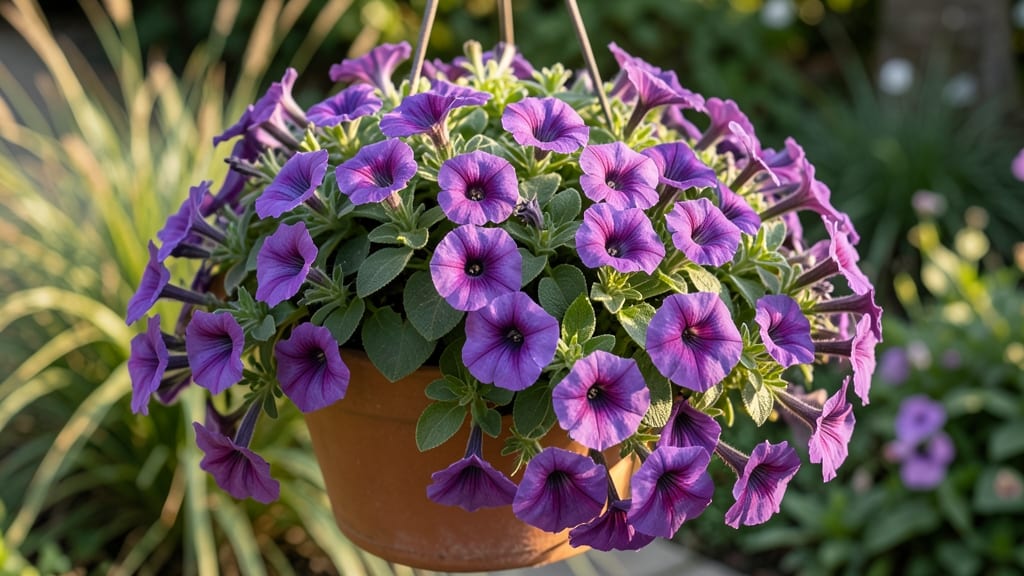
Wave petunias are an annual or perennial in most climates, meaning they complete their lifecycle in one growing season before dying back with frost. While they won't survive winter in colder zones, they often self-seed prolifically in warmer regions, creating natural regrowth. Their showy blooms last for months until cold temperatures kill the plant, requiring fresh plantings each spring for year-round color.
Wave petunias act like annuals because they're sensitive to frost, which triggers their decline. 🌸 Unlike perennials that regrow from roots, these plants focus all their energy on blooming during warm months. The good news? In mild climates, dropped seeds can sprout the following year, giving you free plants.
For colder areas, saving seeds or buying new plants each spring ensures continuous vibrant displays. I've found that deadheading spent blooms extends their flowering period by encouraging more buds to form.
What makes them unique is their ability to spread and self-sustain in ideal conditions. While they won't overwinter in most gardens, their prolific seeding means you might not need to replant every year.
The key is understanding your local frost dates - once temperatures dip below 32°F, these plants will inevitably die back. For gardeners in transitional zones, bringing potted specimens indoors before frost can sometimes preserve them for another season.
💡 In This Article
- Why Wave Petunias Die Back After One Season
- Extending Wave Petunia Blooms: Season-Long Care Tips
Why wave petunias die back after one season
Wave petunias behave as annuals because their entire lifecycle is tightly linked to temperature sensitivity. These plants originate from South America's high-altitude regions, where they evolved to thrive in warm, frost-free conditions.
When exposed to temperatures below 32°F, their cellular structure breaks down—ice crystals form in their tissues, rupturing cell walls and causing irreversible damage. This frost intolerance is hardwired into their DNA, making them unable to survive winter dormancy like true perennials.
The key difference lies in their growth strategy: wave petunias allocate nearly all their energy to rapid vegetative growth and flowering during warm months, rather than building root systems for overwintering.
Their sprawling habit and continuous blooming come at the cost of cold resistance. 🌡️ In contrast, perennial petunias (like those in the Petunia axillaris species) develop thicker stems and deeper roots to withstand seasonal changes.
Wave petunias simply don't have this biological adaptation—once frost hits, their entire above-ground structure collapses within days.
What's fascinating is how their life cycle accelerates in response to daylight changes. These plants are short-day neutral, meaning they'll bloom continuously as long as temperatures stay warm—typically from spring until first frost.
The moment night lengths shorten significantly (below 12 hours of daylight), they begin preparing for senescence, though frost is the actual death sentence. This explains why they often flower most prolifically during summer's long days, then gradually decline as autumn approaches.
There's also a genetic component to their annual behavior. Wave petunias are hybrids specifically bred for their trailing habit and non-stop blooming, which required sacrificing cold hardiness. Unlike their wild ancestors that might survive mild winters, modern cultivars prioritize ornamental traits over survival instincts.
This is why you'll never see wave petunias listed as perennials in catalogs—even in Zone 8 or warmer, they'll still die back with frost, though they may self-seed more reliably.
The one exception occurs in microclimates where winter temperatures rarely drop below 40°F for extended periods. In these rare cases, wave petunias might survive until spring, though they'll be severely weakened. What usually happens instead is that they drop thousands of seeds, which germinate when conditions warm up again.
This self-seeding behavior is their evolutionary workaround for annuals in marginal climates—nature's way of ensuring the species persists even when individual plants don't survive.
For gardeners, understanding this lifecycle explains why wave petunias perform so spectacularly as annuals. Their entire purpose is to produce maximum flowers during their brief window of opportunity, which is why they're often called "the workhorse of summer containers."
The trade-off is that they'll never establish permanent roots or return year after year like true perennials—making them ideal for seasonal color displays rather than long-term garden investments. 🌿