
Flowers
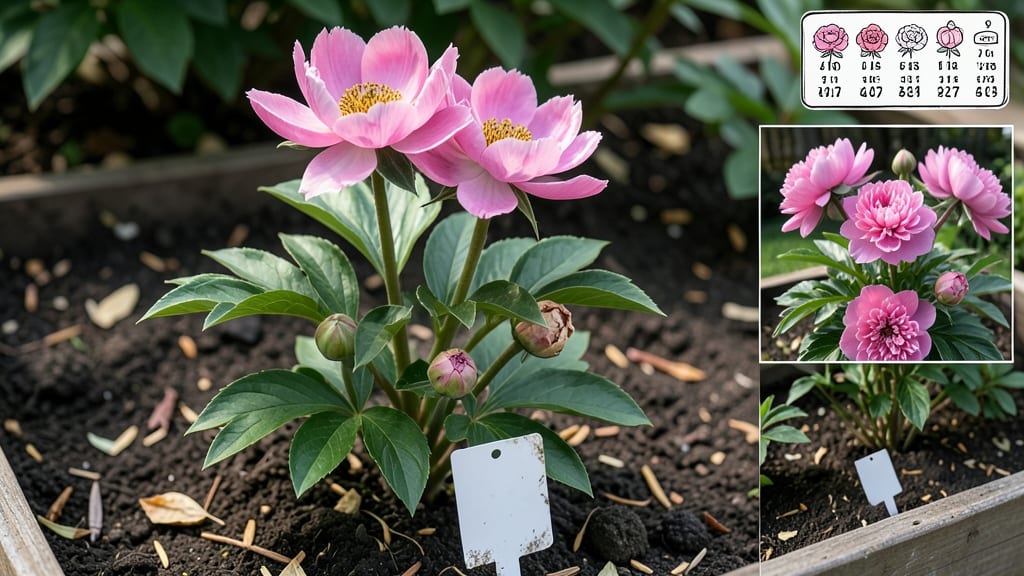
What does perennial mean? It refers to plants that regrow each year from the same root system, returning to bloom season after season instead of dying back completely like annuals. Popular choices like lavender, hostas, and peonies demonstrate this resilience with proper care.
Perennials thrive because their root systems remain alive underground even through winter's dormancy period. 🌱 This means they don't need replanting every year, making them more cost-effective for gardeners.
The key difference from annuals is their ability to store energy and nutrients in their roots, allowing them to push new growth from the same location annually. Many gardeners prefer perennials because they establish themselves over time, becoming more robust and often more drought-resistant each season.
For those new to gardening, choosing perennials that match your climate zone is crucial. Hardy varieties like coneflowers or black-eyed Susans can survive harsh winters, while others may need winter protection. Proper planting—giving roots enough space and well-draining soil—sets the foundation for years of blooms.
I've found that mulching in late fall helps protect roots from temperature fluctuations, while spring fertilizing gives them the boost they need to return stronger than ever.
💡 In This Article
- How Perennial Plants Survive Year After Year
- Choosing and Caring for Perennial Garden Plants
How perennial plants survive year after year
The secret to perennial survival lies in their deep, complex root systems that store energy like a biological battery. Unlike annuals that complete their entire life cycle in one season, perennials develop extensive root networks that can extend 3-6 feet deep, storing carbohydrates and nutrients.
This underground reservoir allows them to push new growth each spring, even after winter's dormancy. For example, peonies develop thick, fleshy roots called rhizomes that contain 20-30% starch by weight—enough to fuel regrowth after months without sunlight.
Winter dormancy is where perennials truly shine. Many species enter a state called endodormancy, where metabolic processes slow dramatically to conserve energy. Some plants, like hostas, produce antifreeze proteins that prevent ice crystal formation in their cells, allowing them to survive temperatures as low as -25°F.
Others, such as lavender, have woody stems that act as insulation. The key difference from annuals is this ability to "pause" growth without dying—annuals simply can't survive freezing temperatures beyond 28°F for most species.
Seasonal adaptations vary dramatically between perennials. In temperate climates, plants like coneflowers develop a crown—the junction between roots and stems—where growth hormones remain active. This crown can regenerate new shoots even if above-ground parts freeze back.
Meanwhile, tropical perennials like cannas store energy in underground tubers, while succulents like agave survive drought by storing water in their leaves. These adaptations explain why perennials can thrive in USDA hardiness zones 3-10, depending on the species.
What most gardeners don't realize is how perennials actually improve with age. Their root systems expand each year, creating a more efficient water and nutrient network. For instance, a 5-year-old black-eyed Susan plant can have 30% more root biomass than a newly planted one, making it far more drought-resistant.
This is why established perennials often require less watering and care than annuals, which must be replanted every season.
Understanding these mechanisms helps explain why perennials often outperform annuals in garden performance. While annuals provide instant color, perennials build soil structure over time through their deep roots, reducing erosion and improving water retention.
Their ability to return year after year also means less waste—no replanting, no starting from scratch each spring. This biological efficiency is what makes perennials the backbone of sustainable gardens worldwide.
One fascinating example is the 1,000-year-old creosote bush in the Mojave Desert, which grows in a circular pattern by sending out new shoots from its roots. This "clone colony" demonstrates how perennials can persist for centuries through this same root-based regeneration system. 🌱