
Planting
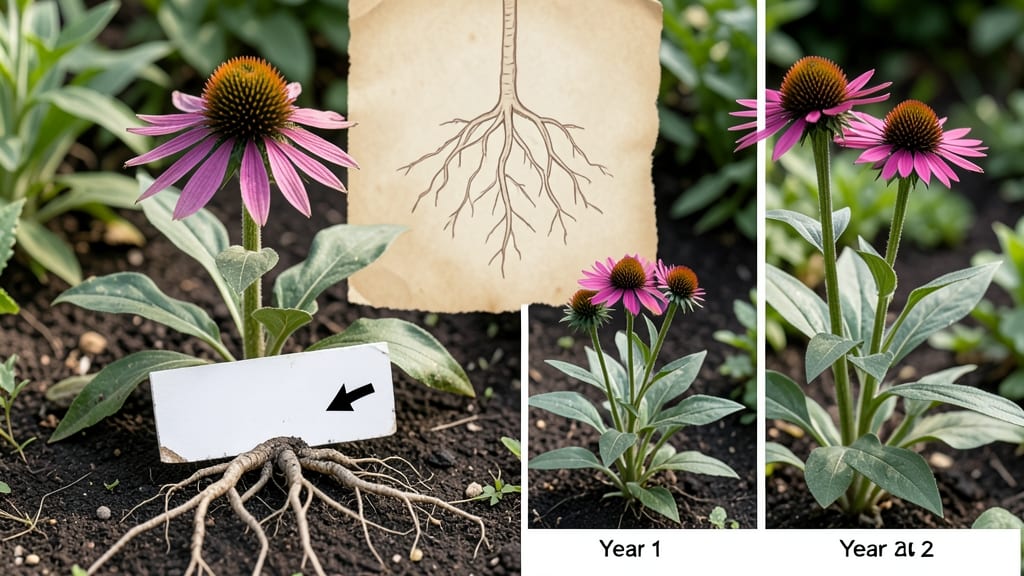
A perennial plant means it lives for three or more years, regrowing from the same root system annually instead of dying back after flowering like annuals. Unlike annuals, perennials return season after season with proper care, offering long-term beauty and productivity in gardens.
A perennial plant thrives by storing energy underground through roots, bulbs, or rhizomes, allowing it to push through soil year after year. 🌱 Unlike annuals that complete their life cycle in one season, perennials like hostas or coneflowers establish deep root systems that survive harsh winters and drought.
This makes them ideal for low-maintenance gardens, as they require less replanting and often become more vibrant with age.
Many gardeners love perennials because they offer consistent blooms, foliage, or edible harvests without the annual replanting effort. For example, lavender and peonies not only return but often spread over time, creating lush displays with minimal intervention.
The key to their success lies in their ability to adapt—whether through thick roots, dormant periods, or seasonal growth spurts.
💡 In This Article
- How Perennial Plants Survive Through Seasons
- Choosing Perennials for Your Garden Climate
How perennial plants survive through seasons
Perennial plants rely on specialized underground structures to store nutrients and energy, allowing them to regenerate each spring. These include rhizomes (horizontal roots like in iris), tubers (thickened roots like in dahlias), and bulbs (layered structures like in tulips).
During dormancy, these storage organs can shrink to 10-20% of their summer size while retaining enough starches and sugars to fuel regrowth when temperatures rise above 50°F.
The survival mechanism involves a delicate balance between water retention and metabolic slowdown. For example, a peony root crown stores 50-70% more carbohydrates than an annual plant's root system, providing the energy needed to push through frozen soil.
Some perennials like hostas even produce antifreeze proteins that prevent ice crystal formation in their cells during winter, similar to how some fish survive Arctic conditions.
Unlike annuals that complete their life cycle in 3-12 months, perennials enter a dormant phase during cold months, where growth stops but roots remain metabolically active at reduced levels. This adaptation allows them to survive -20°F to -30°F temperatures, depending on the species.
The trade-off is slower initial growth compared to annuals, but this strategy pays off in long-term resilience and reduced water needs.
Consider the difference between a tomato plant (annual) and a black-eyed Susan (perennial). While the tomato completes its life cycle in one season, the black-eyed Susan stores energy in its deep taproot system that can reach 3-5 feet underground, accessing moisture during droughts.
This root system also produces secondary shoots that create dense colonies over time, a trait annuals cannot replicate.
Seasonal adaptation also involves leaf strategies. Many perennials like coneflowers produce evergreen basal leaves that photosynthesize during winter, while others like beard tongue completely die back to ground level. This flexibility allows perennials to thrive in USDA hardiness zones 3-10, from Minnesota to Florida, with proper species selection.
What most gardeners don't realize is how perennials improve soil quality over time. Their deep roots break up compacted soil and bring nutrients from lower layers to the surface, creating better conditions for subsequent plantings. This ecosystem benefit makes perennials not just beautiful but ecologically valuable in garden design. 🌿