
Planting
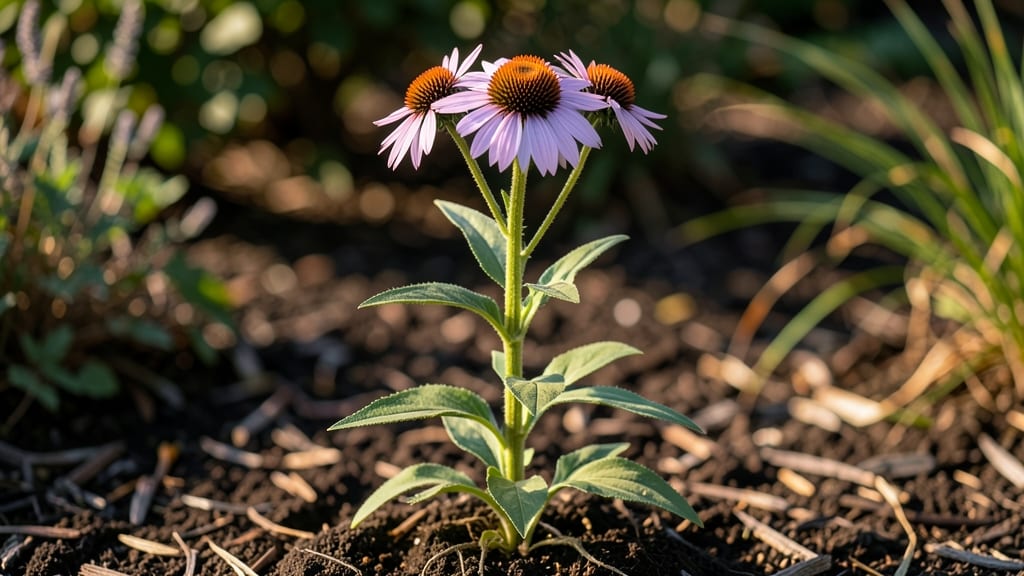
A perennial plant is a flowering or non-flowering species that lives for more than two years, regrowing from the same root system annually after dying back in winter or dormancy. Unlike annuals, they return season after season with proper care, offering long-term garden structure and beauty.
A perennial plant thrives because it develops deep, hardy root systems that store energy through seasons. 🌱 Unlike annuals that complete their life cycle in one year, perennials like lavender or hostas send up new growth from these roots each spring, creating a low-maintenance foundation for your garden.
This resilience makes them perfect for borders, pollinator gardens, or even containers—once established, they often require minimal replanting.
What sets them apart is their ability to adapt to seasonal changes. Many perennials enter dormancy during cold months, conserving energy until warmer weather returns. This natural cycle means you'll enjoy their blooms or foliage year after year with just basic care—think mulching in winter and occasional pruning.
For beginners, start with hardy varieties like coneflowers or Russian sage, which tolerate a range of conditions and reward patience with vibrant displays.
💡 In This Article
- How Perennial Plants Survive Through Seasons
- Best Perennial Plants for Beginners and Seasonal Gardens
How perennial plants survive through seasons
Perennial plants rely on specialized root systems to outlast seasonal challenges. Unlike annuals that complete their life cycle in a single season, perennials develop deep, fibrous roots or thick rhizomes that store carbohydrates and nutrients.
For example, peony roots can extend 3-4 feet underground, while hostas form dense crowns just below the soil surface. These structures act like natural batteries, storing energy to fuel regrowth each spring after winter dormancy.
The survival strategy involves seasonal adaptation through dormancy. During cold months, many perennials reduce metabolic activity, conserving energy while their roots remain alive. Some, like lavender, even produce antifreeze proteins that protect cellular structures at temperatures down to -10°F.
This contrasts sharply with annuals, which die completely after setting seed, or biennials that complete their life cycle in two years. The key difference is perennials' ability to regenerate from living tissue rather than seeds each season.
Light exposure triggers regrowth in spring when temperatures rise and daylight increases. Most perennials follow a 6-8 week dormancy period, during which they avoid frost damage while maintaining root viability.
This biological mechanism explains why established perennials often emerge earlier than annuals planted from seed - they've already built a robust underground network. The trade-off? Their slower initial establishment compared to fast-growing annuals like marigolds.
Water management plays a crucial role too. Perennial roots often develop extensive mycorrhizal relationships with soil fungi, creating a network that improves water and nutrient uptake. This symbiotic relationship helps them thrive in drought conditions once established.
For instance, sedum varieties can survive with only 1 inch of water per month once their roots are fully developed, making them ideal for low-maintenance gardens.
Consider the contrast with annuals: while zinnias might produce vibrant blooms all summer, they require complete replanting each year. Perennials like black-eyed Susans, however, develop stronger root systems each season, producing more robust growth and larger flowers over time.
This long-term investment in root development is what makes perennials the backbone of sustainable gardens.
The science behind this involves hormonal regulation. Gibberellins and cytokinins - plant growth hormones - play key roles in breaking dormancy and stimulating shoot growth. These hormones increase in concentration as temperatures rise and daylight lengthens, signaling the plant to resume active growth.
This precise biological timing ensures perennials emerge at optimal moments for their local climate.
What most gardeners don't realize is how this seasonal cycle creates a self-sustaining ecosystem. As perennial roots decompose each year, they enrich the soil with organic matter, creating better conditions for subsequent growth.
This natural soil improvement process is one reason established perennial gardens often require less fertilizer over time compared to annual plantings.