
Plants
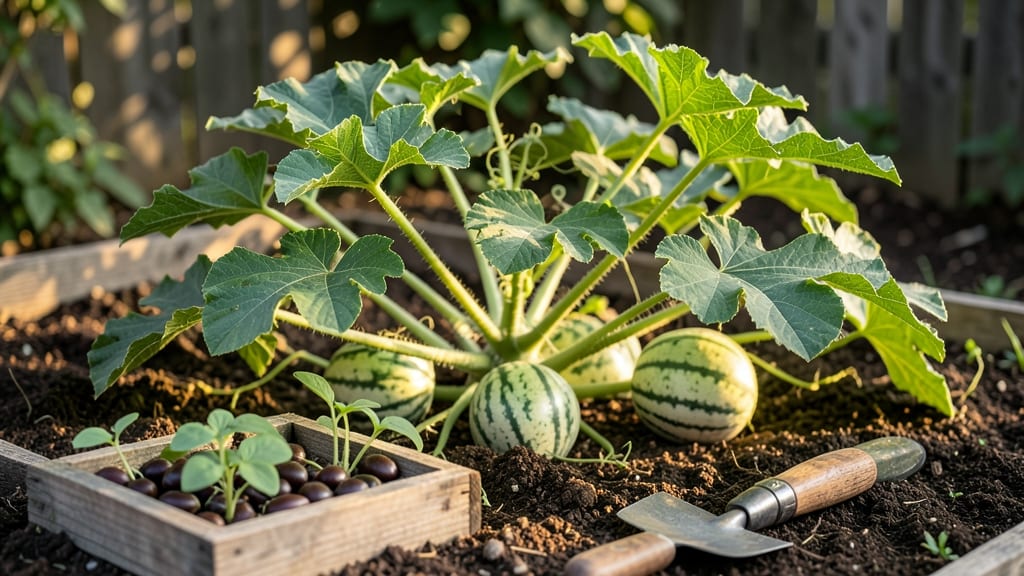
Planting watermelons in Tennessee starts when soil temperatures hit 70°F and all frost risk has passed — typically between mid-April and late May, depending on your region.
Miss that window, and you’ll either lose seedlings to late frosts or watch your vines struggle as summer heat arrives. I’ve seen both happen in my own garden, and the difference between a bountiful harvest and a wasted season comes down to timing.
Tennessee’s climate varies from the cooler 6a zones in the mountains to the balmy 7b areas along the Mississippi, which means your planting schedule should match your local frost-free date.
Below, I’ll break down the exact windows for East, Middle, and West Tennessee — plus how to adjust for early or late varieties.
You’ll also discover the best soil prep tricks for Tennessee’s heavy clay or sandy loam, the most heat-tolerant watermelon varieties for our summers, and how to space your plants so they thrive without crowding. Let’s get those 🍉 vines growing strong!
Tennessee’s frost-free dates by region: best planting windows for watermelons
Tennessee’s three USDA hardiness zones (6a, 6b, 7a) create distinct planting windows for watermelons, a heat-loving crop that needs 70°F+ soil temperatures to thrive. East Tennessee’s cooler microclimates demand earlier starts, while West Tennessee’s longer growing season allows later plantings.
Understanding your region’s last frost date and soil warmth is key to avoiding frost damage or missed harvests.
Watermelons are warm-season annuals that won’t tolerate frost, so timing your planting after the average last frost date is critical. In Tennessee, this ranges from late March in West Tennessee to mid-April in East Tennessee.
Soil temperature is just as important—wait until it consistently hits 70°F at a 4-inch depth before planting seeds or transplants.
Soil temperature is the secret weapon for Tennessee watermelon growers. Use a soil thermometer to monitor warmth; if your area’s average last frost is April 15 but soil stays below 70°F until May 1, adjust your planting date accordingly. This is especially true in East Tennessee’s Zone 6a, where cooler springs delay planting by 2-3 weeks compared to West Tennessee’s Zone 7a.
Here’s how Tennessee’s three regions break down for watermelon planting windows, including frost-free dates, ideal planting periods, and harvest expectations:
West Tennessee’s earlier frost-free dates and longer growing season let gardeners plant as early as late March, while East Tennessee’s cooler springs often push planting back until mid-May.
For example, in Nashville (Zone 7a), you can direct-sow seeds by April 15 and expect harvests by July, but in Knoxville (Zone 6a), wait until May 15 to avoid frost damage.
If you’re in a Zone 6a area like East Tennessee, consider using black plastic mulch to warm soil faster and extend your planting window. This technique can add 2-3 weeks of growing time by raising soil temperatures by 5-10°F.
For cooler microclimates, opt for shorter-season varieties like ‘Sugar Baby’ (70 days) instead of longer-season types like ‘Crimson Sweet’ (85 days).
For West Tennessee gardeners, the extended season allows for two plantings: one in late March for early summer harvests and another in early June for fall melons.
Choose heat-tolerant varieties like ‘Charleston Gray’ to handle summer’s peak temperatures while maintaining sweetness. Always monitor soil moisture—watermelons need 1-2 inches of water weekly during fruiting.
Pro tip: Use row covers in early spring to protect young plants from unexpected late frosts, even after your region’s average last frost date. This is especially useful in Middle Tennessee’s transition zones, where frost can linger into mid-April.
Pair row covers with drip irrigation to keep soil consistently moist without wetting foliage, reducing disease risk.
Remember, harvest timing depends on variety and planting date. Most watermelons take 75-90 days to mature, so if you plant in late May in East Tennessee, expect harvest
Step-by-step watermelon planting timeline for Tennessee gardeners
Tennessee’s warm summers and long frost-free season create perfect conditions for growing sweet, homegrown watermelons. But to maximize your harvest, timing is critical. Watermelons need at least 75 days from planting to ripening, so starting too late can leave you with unripe fruit before fall frost.
Here’s my 8-week planting timeline tailored to Tennessee’s climate zones.
Whether you’re starting with seeds indoors or transplanting young plants, this schedule accounts for soil temperature thresholds (minimum 70°F) and regional frost-free dates. I’ll also share my top tips for heat tolerance and companion planting to boost your success rate.
📅 8-Week Watermelon Planting Timeline for Tennessee
- Week 1 (Late March - Early April): Start seeds indoors if using transplants. Use biodegradable pots and keep soil at 75-85°F with a heat mat. Ideal for USDA Zone 6a gardeners.
- Week 2 (Mid-April): Hardening off indoor seedlings begins. Acclimate plants to outdoor conditions over 7-10 days by placing them in partial shade during the day.
- Week 3 (Late April): Direct sow seeds outdoors only after soil reaches 70°F+ and last frost date has passed. Use black plastic mulch in cooler zones (East Tennessee) to warm soil faster.
- Week 4 (Early May): Transplant hardened-off seedlings or direct-sown seeds into well-drained soil with 2-3 feet spacing between plants. Plant 3-4 seeds per hill and thin to 1-2 strongest plants.
- Week 5 (Mid-May): Apply companion plants like marigolds (pest deterrent) or radishes (early harvest). Mulch with straw or grass clippings to retain moisture and suppress weeds.
- Week 6-7 (Late May - Early June): Monitor for vines to spread 6-10 feet. Thin excess fruit to 2-3 per plant for larger melons. Use drip irrigation to avoid wetting leaves.
- Week 8+ (June - July): Harvest begins! Look for field spots, hard rinds, and brown tendrils. For late varieties, consider a second planting in June if your season extends.
For East Tennessee gardeners (Zone 6a), I recommend starting indoor seeds 2 weeks earlier due to cooler soils. In West Tennessee (Zone 7a), you can direct sow as early as mid-April if using black plastic mulch.
Always check your local frost dates—my go-to resource is the Tennessee State University Extension.
Pro tip: If your summer heat exceeds 90°F, provide afternoon shade for young plants to prevent bolt stress. Watermelons thrive in high humidity, so morning watering is key to avoid powdery mildew. Pair your watermelons with bush beans to improve soil nitrogen naturally.
Adjust this timeline if you’re growing heirloom varieties—they often need 10-14 extra days to mature. For container gardening, choose compact varieties like 'Sugar Baby' and plant in 5-gallon pots with extended-release fertilizer.