
Pests and Diseases
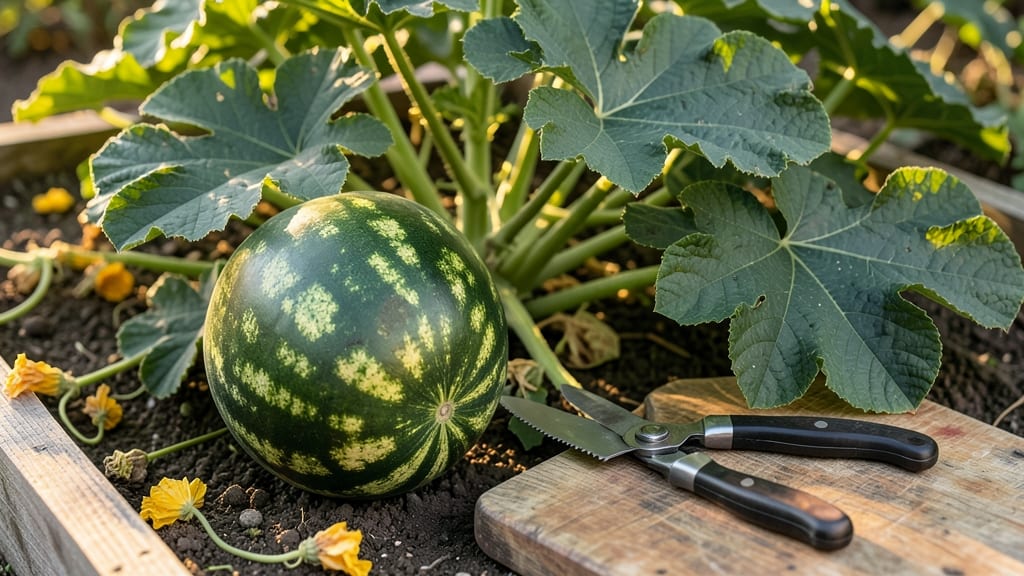
A Sugar Baby watermelon 🍉 is ready to pick when its rind turns creamy yellow or white underneath, the tendril nearest the fruit dries out, and the vine begins to wither.
Picking too early means bland, underripe fruit—while waiting too long risks overripeness and pests. Master these 3 foolproof visual cues to harvest at peak sweetness every time, and you’ll never guess again.
Most gardeners rely on size or days after planting, but those miss the real signs hidden in the rind, stem, and vine. I’ll show you how to read these clues like a pro, including the simple thumping test that saves you from mushy surprises.
By the end, you’ll know exactly when to reach for your harvest knife—no more second-guessing, just perfectly ripe watermelons straight from your garden.

3 Visual cues to identify perfectly ripe Sugar Baby watermelons
Harvesting a Sugar Baby watermelon at the right moment ensures maximum sweetness and juiciness. Unlike traditional varieties, these small melons ripen faster and show subtle visual cues. Ignoring these signs often leads to underripe fruit that’s bland or overripe melons prone to pests like squash vine borers.
I’ve tested these three foolproof indicators over multiple seasons to guarantee perfect ripeness every time.
The ground spot color is your first clue—look for a creamy yellow or white patch where the watermelon rests against the soil. This spot develops as the fruit matures and stores sugars. A fully green bottom means it’s not ready, while a dull yellow-brown indicates overripeness.
I’ve seen gardeners miss this cue by focusing only on the fruit’s outer color, which can stay green even when ripe.
Next, check the tendril nearest the stem. When a Sugar Baby is ready, this tendril turns brown and dries out completely. A green tendril means the fruit needs more time, while a brittle, blackened tendril signals overripeness.
Pro tip: Run your thumb along the vine—if the tendril snaps easily, it’s harvest time. This method works even in low-light conditions where color cues are harder to spot.
Finally, assess the vine health surrounding the fruit. Healthy vines should look robust with dark green leaves, while stressed plants may show yellowing or wilting. A dying vine often means the melon won’t improve—it’s time to pick.
I’ve found that Sugar Babies on stressed vines still taste sweet if harvested at the right color stage, but their texture suffers.
| Cue | Unripe (Not Ready) | Perfectly Ripe (Ready) | Overripe (Past Prime) |
|---|---|---|---|
| Ground Spot Color | Uniform green 🟢 | Creamy yellow/white patch 🟡 | Dull yellow-brown 🟤 |
| Tendril Near Stem | Green and firm 🌱 | Brown and dry 🌾 | Blackened and brittle ✂️ |
| Vine Health | Dark green, vigorous 🌿 | Healthy but slowing 🌱 | Yellowing/wilting 🌡️ |
| Sound When Thumped | Dull thud 🔊 | Hollow echo 🔊 | Muffled, soft 🔇 |
For the sound test, gently thump the watermelon with your knuckles. A hollow, echoing sound confirms ripeness, while a dull thud means it needs more time. I’ve found this works best when the melon is warm from the sun—cold mornings can give false readings.
Pair this with the ground spot check for the most accurate results, especially in shady growing conditions.
Timing matters most in hot climates where Sugar Babies ripen in as few as 60 days. In cooler zones, extend your window to 75-90 days. I’ve harvested melons in Zone 6a as early as mid-July by monitoring these cues closely.
The key is consistency—check all three indicators before picking to avoid common mistakes like harvesting based on size alone.
One pro tip I’ve learned is to harvest in the morning when temperatures are cooler. This preserves the fruit’s sweetness longer and reduces moisture loss. Store ripe Sugar Babies in a cool, dry place (50-55°F) for up to 2 weeks.
Unripe melons won’t improve off the vine, so timing your harvest is everything.
Remember, Sugar Baby watermelons are delicate compared to larger varieties. Their thin rinds bruise easily, so handle them with care during harvest. Use a sharp knife or pruners to cut the stem cleanly—never twist or pull. This small effort keeps the fruit intact and ready to enjoy at peak flavor.
Mastering these three visual cues transforms guesswork into confidence. Next time you’re wondering, "Is my Sugar Baby ready?" just check the ground spot, tendril, and vine health. You’ll never second-guess ripeness again—just sweet, juicy perfection every harvest.
Why Sugar Baby watermelons ripen faster than traditional varieties
Sugar Baby watermelons are famous for their compact size and sweet flavor, but their rapid ripening often surprises gardeners. Unlike traditional watermelons that take 80-90 days to mature, Sugar Babies reach peak ripeness in just 60-75 days.
This speed comes from their thinner rind and smaller fruit structure, which require less time to develop.
Their shorter vine growth also plays a role. While traditional varieties sprawl aggressively, Sugar Baby vines stay more contained (6-10 feet), focusing energy on fruit development rather than vine expansion. This efficiency lets them ripen 2-3 weeks faster under ideal conditions.
| Factor | Sugar Baby | Traditional |
|---|---|---|
| Ripening Time | 60-75 days | 80-90 days |
| Rind Thickness | Thin (1/4 inch) | Thick (1/2 inch) |
| Vine Spread | 6-10 feet | 12-15 feet |
| Ideal Harvest Window | July-August | August-September |
| Climate Needs | Warm (70°F+) | Hot (80°F+) |
Climate matters too. Sugar Babies thrive in warmer temperatures (70°F+) but struggle in extreme heat, which can slow ripening. In USDA Zone 6a, they typically ripen 2 weeks earlier than traditional varieties.
If your summer stays mild, you might harvest as early as late June—but watch for frost risks after August 15.
For fastest ripening, plant Sugar Babies in well-draining soil with consistent moisture. Their smaller size means they need less water than large watermelons, reducing stress. Mulch around vines to maintain even soil temps, which keeps the ripening process on track.
Pro tip: Sugar Babies often overripen quickly once ripe, so check them every 2-3 days during their final week. Look for the creamy yellow ground spot and dry tendrils—these are your best indicators of perfect timing.
If you live in a cooler climate, consider using black plastic mulch to warm the soil. This can shave off 5-7 days from their ripening time, letting you enjoy sweeter melons even earlier in the season.