
Pests and Diseases
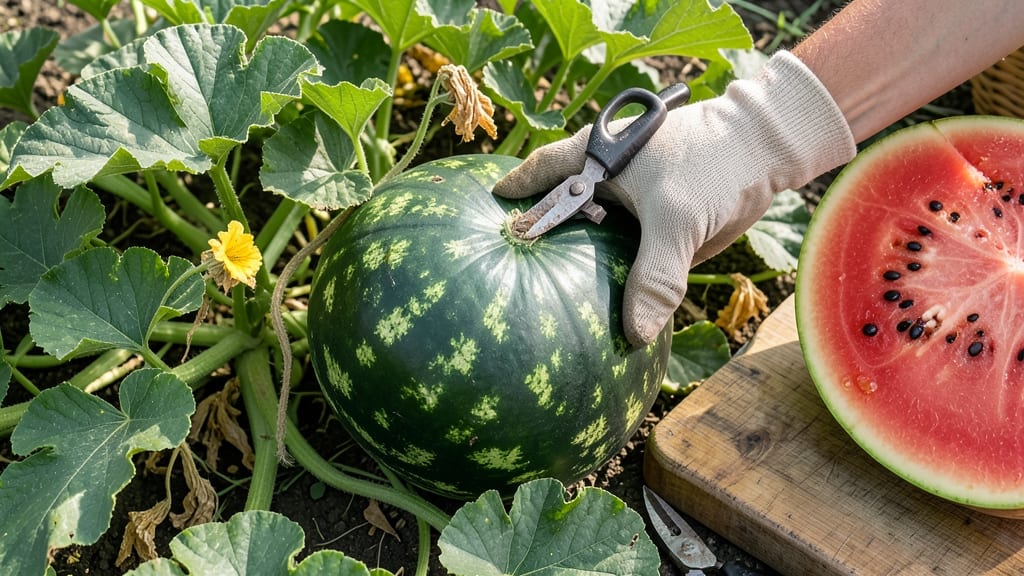
A watermelon is ready to harvest when its ground spot turns cream-colored, the rind hardens, and the tendril nearest the fruit dries out 🍉 — but timing these cues right means the difference between sweet perfection and a mealy mess.
Picking too early means bitter flesh and wasted effort, while waiting too long risks overripe, seedy disappointments. Mastering these field-tested ripeness signs ensures you harvest juicy perfection every time, whether you're growing in your backyard or shopping at the farmers' market.
Beyond the classic thump test, you’ll discover how to read the ground spot’s color, check the rind’s texture, and even tell when a watermelon is ready by its weight. These tricks work for both seedless and traditional varieties, saving you from guesswork.
Inside, you’ll find a step-by-step guide to avoid common mistakes, plus tips for storing your harvest so the sweetness lasts all summer long.

3 Field-tested visual and physical signs of a ripe watermelon
Knowing exactly when a watermelon is ready to pick can turn a guess into a guaranteed harvest. Overripe melons lose sweetness, while underripe ones taste bland and seedy. The key lies in three field-tested signs: the ground spot color, rind texture, and weight-to-size ratio.
These cues work whether you're harvesting from your garden or selecting at the farmers' market.
First, let's tackle the ground spot, the area where the watermelon rested on the soil. A ripe watermelon's ground spot changes from white or pale to a cream or buttery yellow.
This color shift signals the fruit has fully matured and developed its signature sweetness. I always check this first—it's the most reliable visual clue for me.
| Sign | Ready Indicator | Not Ready Indicator | How to Test |
|---|---|---|---|
| Ground Spot Color | Cream/yellow | White or pale | Look at soil-touching spot |
| Rind Texture | Hard, difficult to puncture | Soft, easy to puncture | Press fingernail into rind |
| Weight-to-Size Ratio | Heavy for its size | Lightweight | Lift and compare to similar melons |
| Stem Condition | Dried and browned | Green and fresh | Check stem near fruit |
The rind texture is another critical clue. A ripe watermelon develops a hard, thick rind that resists your fingernail when pressed. If you can easily puncture the skin with your nail, the melon needs more time.
I like to test this by gently pressing near the ground spot—this area often hardens first.
Don't overlook the weight-to-size ratio. A ripe watermelon feels surprisingly heavy for its size because it's packed with water and sugar. Lift a few melons and compare their heft—heavier ones are usually the ripest.
I've learned to trust this test more than the thump test, which can be misleading for some varieties.
For seedless watermelons, the ground spot may appear slightly different but still follows the same color progression. However, these varieties often ripen slightly earlier than traditional ones. I always check the rind hardness first for seedless types, as their texture can be slightly softer even when ripe.
At the farmers' market, I combine all three signs before making a purchase. A melon with a cream-colored ground spot, a hard rind, and a heavy weight is almost always a winner.
If one sign is questionable, I'll skip it—there's no rush to buy an imperfect watermelon when perfect ones are available.
Timing matters too. Most watermelons take 70-90 days to mature from planting, depending on the variety and climate. In my USDA Zone 6a garden, I start checking for ripeness in mid-July. Early varieties may be ready by early July, while heirlooms might need until September.
One common mistake is harvesting based on days to maturity alone. While this gives a general window, environmental factors like temperature and rainfall can shift ripening timelines. I always cross-reference the calendar with these visual and physical signs for the most accurate results.
Pro tip: If you're growing watermelons in containers, the ripening process can be slightly delayed due to limited root space. In this case, I extend my checks by a week and pay extra attention to the ground spot color, as container-grown melons often develop this cue first.
How to thump, tap, and shake: the science behind watermelon sound tests
The thump test is the classic watermelon trick we've all seen—but it's not as reliable as you think. A hollow sound doesn't always mean ripe; it could signal overripe or even underripe fruit.
The science behind these tests reveals that watermelon density and fruit maturity are far more important than just a hollow echo.
Instead of relying solely on sound, combine the thump test with visual cues like the ground spot color and rind hardness. For example, a cream-colored ground spot paired with a deep thump is a far better indicator than a hollow sound alone.
Let's break down the best techniques for different watermelon varieties.
🚨 Warning: Hollow Sounds Aren't Foolproof!
A hollow thump can mean overripe fruit with excessive seeds or even underripe melons that never developed proper sugar content. Always pair sound tests with these three critical checks:
- Ground spot must turn cream/yellow (not white)
- Rind should be hard and difficult to puncture with a fingernail
- Fruit feels heavy for its size (not just dense)
For seedless watermelons, the thump test can be even trickier because their internal structure differs from traditional varieties. Seedless melons often produce a duller thump when ripe, so listen for a deep, resonant tone rather than a sharp echo.
Tap near the stem end where the fruit was attached to the vine—this is where you'll hear the most accurate sound.
Try the tap-and-shake method for a more precise test: Tap the watermelon with your knuckles, then immediately shake it gently. A ripe watermelon will produce a low, rumbling sound when shaken, while an unripe one stays silent.
This works especially well for heirloom varieties with thicker rinds, which can muffle the classic thump.
Don't forget to consider variety-specific traits. Sugar Baby watermelons, for example, ripen faster and may give a hollow sound earlier than Crimson Sweet varieties. Always check the days to maturity listed on your seed packet and adjust your testing timeline accordingly.
In hot climates, melons may ripen 10-14 days faster than expected.
Pro tip: Test watermelons in the morning when temperatures are cooler. Heat can make melons appear riper than they are by creating false hollow sounds. Combine all tests—sound, color, weight, and texture—for the most accurate ripeness assessment every time.
Your taste buds (and your watermelon patch) will thank you!