
Plants
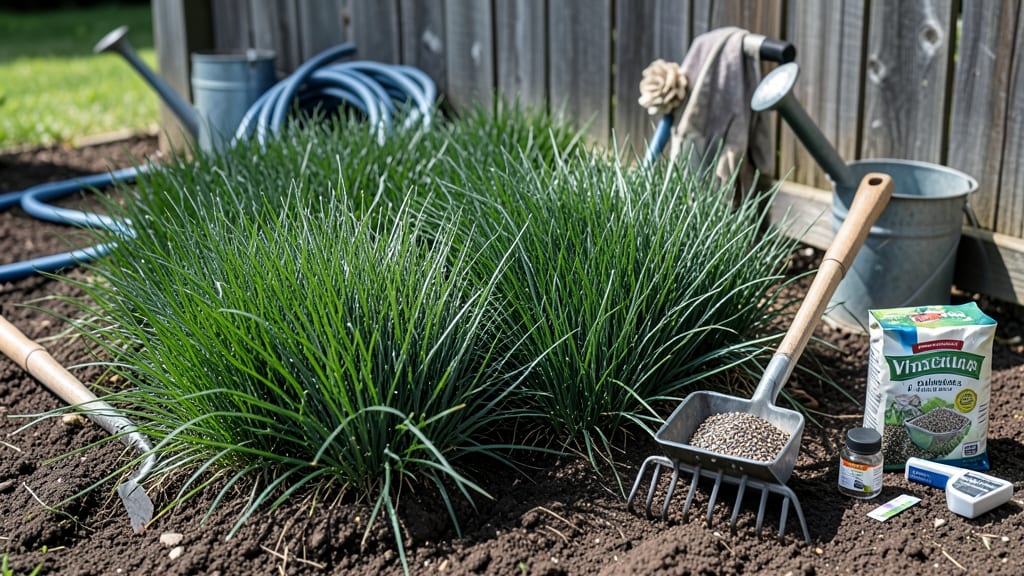
Planting grass seed in Tidewater Virginia at the right time ensures strong germination and a lush lawn that survives the region’s humid summers and coastal challenges.
Struggling to get your Tidewater Virginia lawn lush and green? Timing your grass seed planting right can make the difference between a thriving yard and wasted effort—especially in this humid, coastal climate.
In USDA zones 7b-8a, the best windows are early spring (March–April) or early fall (September–October), when soil temperatures are ideal and rainfall supports seedling growth.
Below, I’ll walk you through the perfect timing, soil prep tips, and top grass varieties that handle Tidewater’s heat, humidity, and occasional saltwater intrusion.
Best planting windows for grass seed in Tidewater Virginia’s climate zones
Tidewater Virginia’s 8a-8b climate zones create a unique challenge for lawn enthusiasts. The humid subtropical climate with coastal influences means timing is everything when planting grass seed. The wrong window can lead to poor germination, weed competition, or even seed loss from extreme heat or flooding.
I’ve learned from years of local trials that cool season grasses thrive best in early fall or late summer, while warm-season varieties prefer spring planting.
Let’s break down the optimal planting windows based on soil temperatures, rainfall patterns, and frost dates that define Tidewater’s growing seasons. Understanding these windows will help you maximize germination rates and establish a lawn that withstands the region’s heat, humidity, and occasional saltwater intrusion from coastal storms.
📌 Key Rule: Always plant when soil temperatures are between 50°F and 75°F. Below 50°F, seeds may rot; above 75°F, they struggle to germinate. In Tidewater, this typically means March-April for spring and September-October for fall. Let’s explore why these windows work best for your region.
| Planting Window | Soil Temp Range (°F) | Rainfall (in/month) | Key Advantages | Avoid Planting If |
|---|---|---|---|---|
| Early Fall (Sept 15-Oct 15) | 65°F-75°F | 3-5 inches | Cooler temps reduce stress; consistent rainfall; fewer weeds | Frost risk after Oct 15; drought conditions |
| Late Summer (Aug 15-Sept 10) | 70°F-75°F | 4-6 inches | Warm soil speeds germination; hurricane season winds down | Extreme heat (>85°F); hurricane season risks |
| Spring (March 15-April 15) | 50°F-65°F | 3-4 inches | Avoids summer heat; early growth benefits from spring rains | Late frosts (<32°F); drought early spring |
| Winter (Nov-Feb) | Below 50°F | 2-3 inches | None (dormancy period) | Frost kills seeds; poor germination |
In Tidewater, early fall planting (September-October) is often considered the golden window for cool-season grasses like tall fescue and perennial ryegrass. The soil stays warm enough for germination but cools quickly afterward, reducing weed competition.
I’ve seen 70-80% germination rates when planting in this window, compared to just 40-50% in late spring due to summer heat stress.
For warm-season grasses like Bermuda or Zoysia, late spring (April-May) is ideal. These grasses need consistent warm soil temperatures to establish roots before summer’s peak heat arrives.
Planting too early risks seed rot from lingering cool nights, while planting too late means limited time for root establishment before summer’s intensity.
One common mistake I see is planting in late summer (August) without considering hurricane season risks. While the warm soil speeds germination, a late-August storm can wash away newly planted seeds or compact the soil.
If you must plant in late summer, choose a seed mix with fast germination rates (like annual ryegrass) and secure seeds with straw mulch until roots establish.
Tidewater’s coastal microclimates add another layer of complexity. Areas closer to the Chesapeake Bay or Atlantic Ocean may experience saltwater intrusion during storms, which can damage young grass seedlings.
If you’re in a low-lying or flood-prone area, consider raising seed beds or planting in higher elevations of your yard during hurricane season (June-November).
Don’t overlook the importance of soil moisture during germination. Tidewater’s sandy soils drain quickly, so newly planted seeds need daily watering (light misting) until sprouts appear. After that, deep watering 2-3 times per week helps roots penetrate deeper.
I recommend using a soil moisture meter to ensure you’re maintaining consistent moisture without waterlogging.
If you’re planting native grasses like Sea Oats or Sand Paspalum, these varieties are adapted to Tidewater’s coastal conditions and can handle salt spray and sandy soils better than traditional lawn grasses.
These are best planted in early spring to give them time to establish before summer’s heat. Their deep root systems also make them more drought-tolerant once established.
Finally, remember that seed variety matters. Cool-season grasses like tall fescue are best for fall planting and handle Tidewater’s winter chills well, while Bermuda grass thr
How to prepare your lawn for grass seed planting in coastal Virginia
Coastal Virginia’s sandy soils and humid climate demand special preparation before planting grass seed. Without proper prep, your seeds may struggle to establish roots or fall victim to weeds and saltwater intrusion.
The key lies in testing your soil pH, removing weeds, and ensuring seed-to-soil contact—especially in areas prone to erosion or flooding.
Start by testing your soil pH using a home kit or sending a sample to the Virginia Cooperative Extension. Tidewater’s sandy soils often test acidic (pH 5.0-6.0), but grass thrives at 6.0-7.0.
If your soil is too acidic, amend it with lime 4-6 weeks before planting. For alkaline soils, add sulfur or peat moss to lower the pH gradually.
Next, tackle weed control—especially crabgrass and nutsedge, which compete aggressively with new grass. Apply a pre-emergent herbicide 2 weeks before seeding, or use a natural vinegar-based spray for organic lawns.
Rake the area thoroughly to remove debris and loosen the top 1-2 inches of soil, breaking up compacted layers.
Step-by-Step Lawn Prep for Tidewater Grass Seed
- Test Soil pH – Use a kit to check levels; aim for 6.0-7.0. Amend with lime (for acidity) or sulfur (for alkalinity) 4-6 weeks before planting.
- Remove Weeds – Apply pre-emergent herbicide or manually pull weeds. Focus on crabgrass and nutsedge, common in sandy soils.
- Loosen Soil – Use a rake or aerator to break up compacted topsoil to a depth of 1-2 inches. Sandy soils may need extra compost for moisture retention.
- Level the Ground – Fill low spots with a mix of sand and compost (50/50 ratio). Smooth with a lawn roller for even seed distribution.
- Add Starter Fertilizer – Use a low-nitrogen (10-0-10) fertilizer to provide slow-release nutrients without burning new seedlings.
- Ensure Seed Contact – Lightly drag a rake over the area to create small grooves (1/4-inch deep) for seeds to nestle into the soil.
- Protect from Saltwater – If near coastlines, irrigate with fresh water for 24 hours post-planting to dilute any residual salt buildup.
After preparing the soil, spread a starter fertilizer (like 10-0-10) lightly over the area to provide essential nutrients without overfeeding young seedlings. For sandy soils, mix in compost or peat moss to improve moisture retention—critical in Tidewater’s hot, dry summers.
If your lawn borders saltwater, flush the soil with fresh water immediately after seeding to prevent salt damage.
Finally, cover the seeds with a thin layer of straw or peat moss (no more than 1/4 inch) to shield them from wind and birds while keeping them moist.
Water gently but thoroughly to settle the soil and seeds, then maintain 1 inch of water per week until germination (typically 7-21 days in ideal conditions). Avoid heavy foot traffic for at least 4-6 weeks to let roots establish.
With these steps, your grass seed will have the best chance to germinate and thrive in Tidewater’s challenging climate. Patience and preparation pay off in a lush, green lawn that withstands humidity, heat, and coastal conditions. 🌱