
Plants
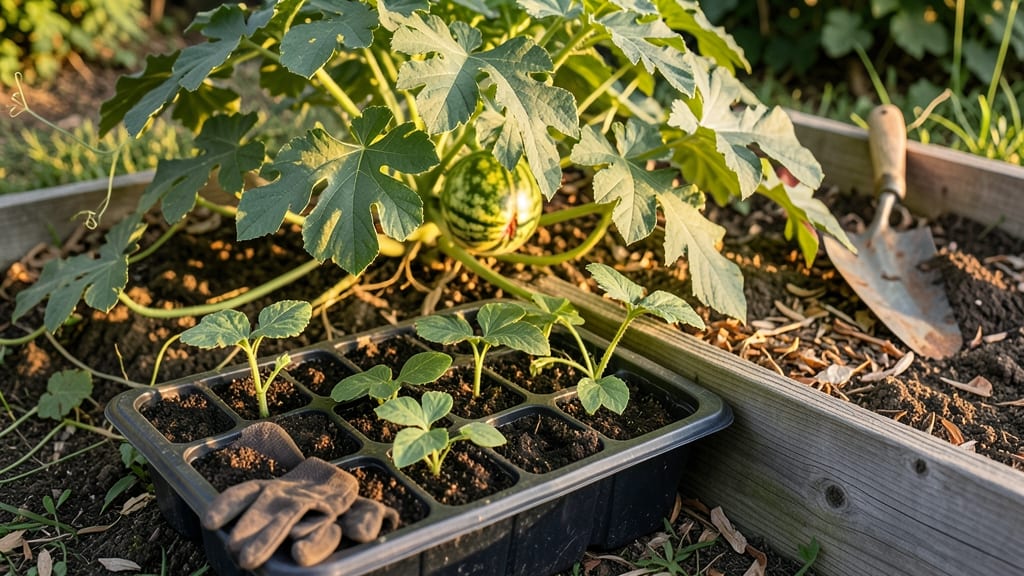
Plant watermelon in Connecticut after the last frost date—typically mid-May to early June—when soil temperatures hit at least 70°F for consistent germination.
Connecticut’s short growing season and unpredictable spring weather can make watermelon planting tricky—but timing it right ensures juicy, vine-ripened fruit by summer’s end. 🍉
You’re not alone if you’ve ever rushed planting only to watch seedlings wilt in cool soil or vines struggle to mature before frost. The key? Waiting for the right conditions—warm soil, frost-free nights, and enough daylight to fuel those sprawling vines.
In this guide, I’ll walk you through the exact frost-free dates for your region, soil prep secrets, and how to stretch Connecticut’s growing season for bigger, sweeter harvests.
Optimal planting dates for watermelons in Connecticut’s climate zones
Watermelons thrive in Connecticut’s warm summers, but timing is everything—plant too early, and frost will kill tender vines; too late, and your harvest may arrive after the first frost.
Connecticut’s USDA Zone 6a climate means we have just 165 frost-free days, so choosing the right planting window maximizes your chances of sweet, ripe fruit. Coastal areas like New London and Groton enjoy slightly longer seasons, while inland regions like Hartford and Litchfield face earlier frosts.
NOAA data shows Connecticut’s average last frost date falls around April 15, but watermelons won’t tolerate cold soil. The key is waiting until soil temperatures reach 70°F (21°C)—a critical threshold for germination and vine health.
In most years, this aligns with mid-to-late May, but coastal areas can start 1–2 weeks earlier thanks to warmer maritime influences.
For gardeners eager to experiment, transplants (purchased from nurseries) can be set out 2–3 weeks before seeds, giving you a head start. However, watermelons hate transplant shock, so direct-sowing seeds after the soil warms is often more reliable.
If you’re growing heirloom or late-maturing varieties, aim for early June to ensure enough time for vines to spread and fruit to ripen before the average first frost on October 15.
Pro Tip: Use a soil thermometer to confirm readiness—planting when the soil hits 70°F guarantees faster germination and stronger vines. If your soil is cooler, wait; rushing leads to poor establishment and stunted growth.
If you’re growing watermelons in containers, start seeds indoors 4–6 weeks before your region’s last frost date, then transplant seedlings into 5-gallon pots or larger once soil warms.
Containers dry out faster, so mulch heavily and water consistently to mimic ground conditions. Just remember: container-grown watermelons may produce smaller fruit but can still yield sweet, flavorful results.
For direct-sown seeds, plant 1–2 inches deep in hills spaced 3–6 feet apart to give vines room to sprawl. Thinning seedlings to 2–3 strong plants per hill improves air circulation and reduces disease risk.
In Connecticut’s humid summers, proper spacing is non-negotiable—crowded vines invite powdery mildew and cucumber beetles, both of which can devastate your crop.
Don’t let unpredictable Connecticut weather derail your plans. Monitor local forecasts and use row covers for early starts if nights remain chilly. Once vines hit 12 inches tall, remove covers to avoid overheating.
For late-season protection, consider cold frames or black plastic mulch to extend the harvest window into early fall.
Timing your watermelon planting isn’t just about dates—it’s about balancing risk and reward. By aligning your schedule with NOAA frost data, soil temperature thresholds, and your local microclimate, you’ll turn Connecticut’s short growing season into a juicy, vine-ripened success. 🍉
Step-by-step soil preparation for watermelon success in CT gardens
Watermelons thrive in well-draining, nutrient-rich soil with a pH between 6.0 and 6.8. Connecticut’s clay-heavy soils and acidic tendencies often need adjustments to create the perfect growing environment. Start your prep 4-6 weeks before planting—this gives amendments time to integrate fully.
First, test your soil pH using a home test kit or send a sample to the UConn Soil Testing Lab. Most CT soils lean too acidic (below 6.0), which stunts watermelon growth.
If needed, raise pH with lime (apply 2-4 lbs per 100 sq ft) and till it in 2-3 weeks before planting.
Amend your soil with 2-3 inches of compost or well-rotted manure (chicken or cow). Watermelons are heavy feeders, so organic matter improves moisture retention and nutrient availability. For sandy soils, mix in peanut hulls or coconut coir to boost water-holding capacity.
- 1. Choose a sunny, flat location with 6+ hours of sunlight. Watermelons hate waterlogged roots, so avoid low spots.
- 2. For poor drainage, build raised beds (12-18" deep) with a 2:1 mix of soil and compost. Add perlite or vermiculite for aeration.
- 3. Add a 1-inch layer of mulch (straw or black plastic) after planting. Mulch retains moisture and suppresses weeds, critical for CT’s hot, dry summers.
- 4. Plant seeds 1 inch deep and 6 inches apart in hills (groups of 3-4 seeds). Space hills 3-4 feet apart to accommodate sprawling vines.
- 5. Use black plastic mulch to warm soil faster and speed up germination. Lay it down 2 weeks before planting for best results.
Connecticut’s cool, wet springs can delay soil warming. Use a soil thermometer to confirm 70°F+ temperatures before planting—watermelon seeds won’t germinate below 60°F. If your soil is still too cold, start seeds indoors 4-6 weeks early and transplant after last frost.
Watch for common CT soil issues: compacted clay (fix with gypsum) or excessive acidity (fix with dolomitic lime). If your garden has history with fungal diseases, rotate crops or use copper fungicide preventatively. With the right prep, your watermelons will thrive in CT’s climate!