Plants
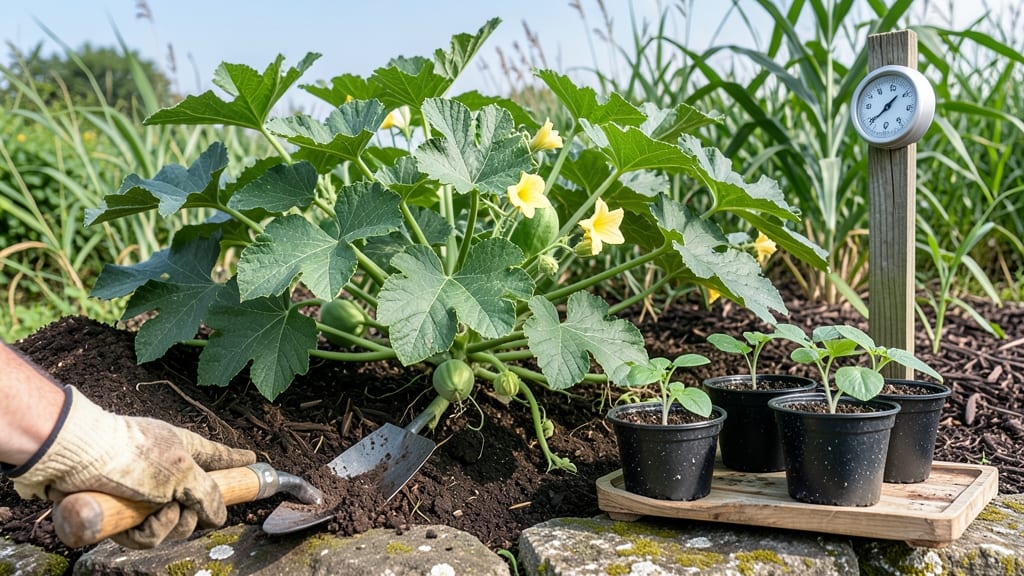
To plant watermelon in Washington State, aim for after the last frost date—typically mid-May in most zones—but coastal areas may wait until June for warmer soil.
Washington State’s diverse climate—from coastal mildness to inland heat—means watermelon planting timing can make or break your harvest. Get the exact frost-free dates by zone to ensure fast germination and juicy vines by summer.
If you’ve ever rushed seeds into cold soil only to watch them rot, you know the stakes. The key is waiting for soil temperatures to hit at least 70°F, which can vary wildly between Seattle’s chilly springs and Yakima’s early warmth.
Below, I break down the optimal planting windows for each region, whether to start indoors or direct-sow, and how to prep soil for fast, reliable growth—no guesswork included.
Washington State watermelon planting dates by hardiness Zone (with frost-free deadlines)
Washington State’s diverse climate—from coastal Zone 8 to inland Zone 6—creates unique challenges for watermelon growers. The key to success? Planting at the right time to avoid late frosts and maximize summer heat for sweet, ripe fruit. Most varieties need 75-90 days to mature, so timing is everything.
Watermelons thrive in warm soil (at least 70°F) and long daylight, making early spring starts risky. In cooler zones like Spokane (Zone 6), you’ll need to start seeds indoors 4-6 weeks before the last frost.
In warmer areas like Yakima (Zone 7), direct sowing after May 15 often works. Let’s break it down by zone.
📅 Last frost dates vary dramatically across Washington. Seattle’s Puget Sound (Zone 8) typically sees its last frost by April 15, while Wenatchee’s high desert (Zone 7) warms up by May 1. Yakima (Zone 7) and Spokane (Zone 6) fall in between, with last frosts around April 30 and May 10, respectively.
| Zone & Location | Last Frost Date | Indoor Start (Weeks Before Last Frost) | Direct Sow Date | Soil Temp for Planting |
|---|---|---|---|---|
| Zone 6: Spokane | May 10 | 4-6 weeks before (early April) | After May 20 (soil ≥70°F) | 70°F+ |
| Zone 7: Yakima | April 30 | 3-4 weeks before (mid-April) | After May 15 | 70°F+ |
| Zone 7: Wenatchee | May 1 | 3-4 weeks before (late April) | After May 10 | 75°F+ (drier climate) |
| Zone 8: Seattle | April 15 | Optional (2-3 weeks before) | After May 1 (soil ≥65°F) | 65°F+ (cooler coastal soil) |
In Zone 6 (Spokane), where frosts linger longer, I recommend starting seeds indoors by early April under grow lights. Transplant seedlings outdoors after May 20 once nighttime temps stay above 55°F. Spokane’s shorter growing season means choosing fast-maturing varieties like ‘Sugar Baby’ (70 days) is critical.
For Zone 7 (Yakima and Wenatchee), direct sowing after May 15 works well, but I’ve found that black plastic mulch warms soil faster in these high-desert areas. Yakima’s hot summers (often exceeding 90°F) are perfect for watermelons, but early planting avoids bolting from heat stress.
Seattle’s Zone 8 climate is trickier—cooler soils delay germination. I’ve had success with biodegradable seed starter pots to jumpstart growth. Plant after May 1, but be prepared to extend the season with row covers if summer cools unexpectedly.
Varieties like ‘Crimson Sweet’ (80 days) handle Seattle’s milder summers better than heat-loving types.
Regardless of zone, soil temperature is your best guide. Use a soil thermometer to confirm 70°F+ before planting. In cooler zones, black plastic mulch or clear plastic tunnels can add 5-10°F to soil warmth, speeding up germination. Never plant before soil warms—cold soil causes seeds to rot.
Pro tip: Pre-soak seeds for 24 hours before planting to
How to adjust planting for Washington’s microclimates (coast vs. inland vs. high desert)
Washington’s three distinct microclimates—coastal, inland, and high desert—each demand unique watermelon planting strategies. Coastal areas like Seattle and Bellingham experience delayed springs, while inland cities such as Yakima and Wenatchee face intense summer heat.
Meanwhile, the High Desert has short, hot seasons and rocky soil. Adjusting your approach ensures your vines thrive despite these challenges.
For coastal regions, start seeds indoors 4-6 weeks before your last frost date (typically mid-April to early May). The cooler, damp air slows germination, so warm soil is critical. Inland areas can direct-sow 2-3 weeks earlier (late April to early May) once soil temps hit 70°F+.
High desert gardeners should plant as early as March to beat the short season, but use black plastic mulch to warm the soil faster.
Here’s how to tailor your planting for each microclimate:
- Coastal Zones (Seattle, Bellingham): Start seeds indoors by April 1 (use grow lights) and transplant after May 15 when soil warms to 65°F+. Use row covers to protect from late frosts.
- Inland Zones (Yakima, Wenatchee): Direct-sow April 15-May 1 when soil hits 70°F+. Provide drip irrigation to prevent heat stress; watermelons need 1-2 inches of water weekly.
- High Desert (Spokane, Moses Lake): Plant March 1-April 1 with black plastic mulch to raise soil temps. Choose fast-maturing varieties (e.g., ‘Sugar Baby’) with 60-70 day harvest times.
- Soil Prep for All Zones: Amend rocky or clay-heavy soil with 3-4 inches of compost and sand for drainage. Test pH—watermelons prefer 6.0-6.8. Add aged manure for phosphorus to boost fruit production.
Rocky terrain in Eastern Washington can stunt root growth, so raise beds or mound soil to improve drainage. Inland areas often struggle with poor drainage due to heavy rains followed by dry spells, so elevate beds or use gravel-filled trenches beneath containers.
Coastal gardeners should prioritize well-draining soil mixes to avoid fungal diseases like powdery mildew, common in damp air.
Monitor soil temperature with a probe—watermelon seeds need 75°F+ soil to germinate. In cooler zones, use seedling heat mats or cold frames to jumpstart growth. Once vines emerge, mulch heavily with straw to retain moisture and suppress weeds, which compete for nutrients in Washington’s nutrient-poor soils.
Adjust your harvest timing based on microclimate too. Coastal watermelons may ripen 2-3 weeks later than inland varieties due to cooler summers. High desert melons need daily watering once fruit sets to prevent cracking.
By aligning your planting with local conditions, you’ll maximize yield and sweetness, even in Washington’s tricky climate.
🌱