
Plants
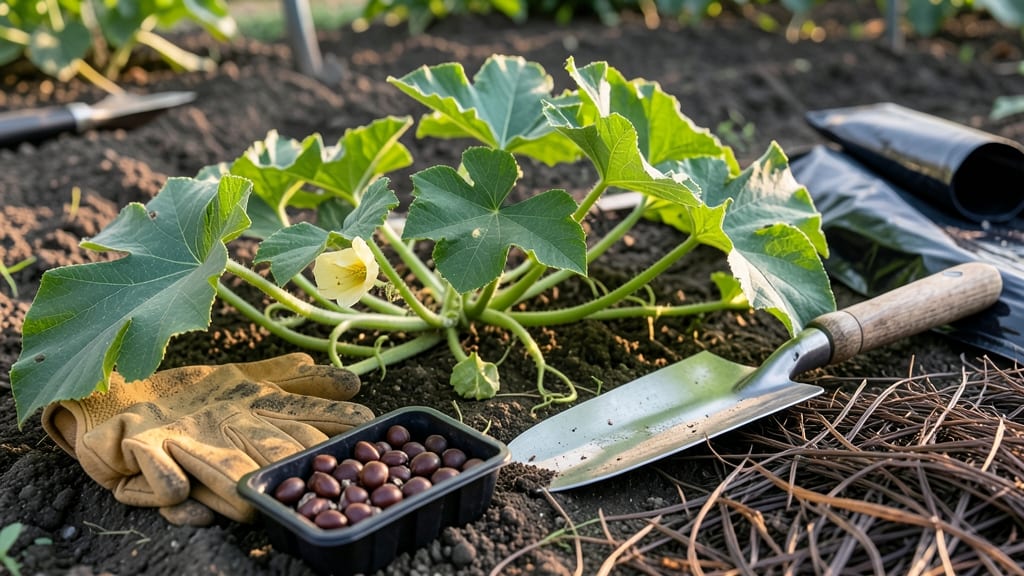
Plant watermelon seeds in Ohio when the soil reaches 70°F and all frost risk has passed — typically between April 15 and May 15, depending on your microclimate.
Ohio’s unpredictable spring weather can turn a promising watermelon harvest into a gamble—unless you time your planting perfectly. A late frost or cold soil won’t just slow growth; it can kill seedlings before they even sprout.
Most Ohio gardeners wait until late April or early May, but urban areas like Columbus may need to push back another week due to slower soil warming. Meanwhile, southern Ohio’s milder climate often allows earlier planting.
Inside, you’ll discover the exact soil temperature tricks to jumpstart germination, how to adjust for your USDA zone, and which fast-maturing varieties thrive in Ohio’s short summer. Let’s get those 🍉 vines growing!
Ohio’s best watermelon planting dates by frost-free Zone
Ohio’s USDA zones 5-7 create a tricky balance for watermelon growers. Northern Ohio (Zone 5) faces earlier frosts, while southern Ohio (Zone 7) enjoys longer growing seasons. Timing your watermelon seeds correctly means the difference between juicy harvests and wilted vines.
I’ve broken down the ideal planting windows based on frost-free dates and soil temperature requirements.
For direct sowing (planting seeds directly in the garden), wait until after the last frost date—typically May 15 in northern Ohio and April 30 in southern Ohio. But don’t rush! Watermelon seeds need soil temperatures above 70°F to germinate.
If your soil is still cold, your seeds will rot in the ground. I’ll show you how to check soil temps and adjust your planting schedule accordingly.
For transplants (starting seeds indoors), begin 4-6 weeks before your last frost date. This means mid-March to early April for most Ohio gardeners. Transplants give you a head start, but they must be hardened off properly before moving outdoors. I’ll share my foolproof hardening-off method to avoid shocking young plants.
Here’s a quick comparison of planting windows across Ohio’s zones to help you plan:
| Zone & Location | Last Frost Date | Direct Sow Window | Transplant Start | Soil Temp Goal |
|---|---|---|---|---|
| Zone 5 (Toledo, Cleveland) | May 15 | May 20 - June 1 | April 1 - April 15 | 70°F+ |
| Zone 6 (Columbus, Dayton) | April 25 | May 1 - May 15 | March 20 - April 1 | 70°F+ |
| Zone 7 (Cincinnati, Lexington) | April 15 | April 25 - May 10 | March 1 - March 15 | 70°F+ |
If you’re in northern Ohio, consider using black plastic mulch or row covers to warm the soil faster. I’ve had success planting as early as April 20 in Zone 6 with these tricks.
For southern Ohio, you can even try late June plantings for a fall harvest—just choose fast-maturing varieties like ‘Sugar Baby’ (60-70 days).
One common mistake I see is planting too early based on air temperature alone. Soil temperature is what matters—watermelon seeds won’t germinate below 65°F, and growth slows dramatically below 70°F.
Use a soil thermometer (they’re cheap!) to confirm your soil is ready. If it’s still cool, wait a week or two. Patience here pays off with stronger, healthier plants.
For urban gardeners in cities like Columbus or Cincinnati, microclimates can shift planting dates by 1-2 weeks. South-facing walls or paved areas heat up faster, creating pockets where you can plant 10-14 days earlier.
I’ve planted watermelons in my black-painted raised beds as early as April 10 in Zone 6 with great success. Observe your garden’s unique conditions for a few years to refine your timing.
Pro tip: Succession planting works well for Ohio’s short season. Plant a second batch 2 weeks after your first planting to stretch your harvest. Choose varieties with different maturity dates—like ‘Crimson Sweet’ (80 days) alongside ‘Black Diamond’ (75 days)—to ensure continuous fruit production.
This strategy has given me watermelons from July through September in Zone 6.
Remember, frost dates are averages. Ohio’s weather is unpredictable, so always have a backup plan. If frost threatens after planting, cover young seedlings with frost cloth or a clear plastic tunnel.
I keep a few extra row covers on hand just in case—better safe than sorry when it comes to your watermelon investment.
Finally, don’t overlook seed selection. For Ohio’s climate, prioritize disease-resistant varieties like ‘Charleston Gray’ or ‘Crimson Sweet’. These handle Ohio’s humidity and heat better than fussy hybrids. Pair them with the right planting dates, and you’ll be feasting on homegrown watermelons all summer long. 🍉
How to check soil temperature for watermelon germination
Watermelon seeds need consistent soil temperatures of 70°F or higher to germinate properly.
In Ohio, where spring can swing wildly between frost and heatwaves, checking your soil temperature becomes a game-changer. Cold soil delays germination and can even kill tender seedlings before they sprout, so knowing exactly when to plant is critical for success.
Unlike air temperature, which you can check with a regular thermometer, soil temperature requires a specialized tool. A soil thermometer (available for under $10) measures the temperature at the depth where seeds will germinate—about 1 inch below the surface.
This is the most accurate way to determine if your garden bed is ready for watermelon seeds.
Here’s how to use it: Insert the thermometer into moist soil (not dry) and wait 30 seconds for an accurate reading. In Ohio, aim for three consecutive days of 70°F+ readings before planting.
In northern Ohio (zones 5-6), this often happens around late May or early June, while southern Ohio (zones 6-7) may see ready soil by mid-May.
⚠️ callout warning ⚠️
If your soil stays below 70°F past June 1, your watermelon season may be too short for full ripening. Urban areas like Columbus or Cincinnati can experience urban heat islands, where pavement and buildings trap heat—check soil temps in these zones 2-3 days earlier than rural areas. If soil is still cold, use black plastic mulch to warm it by 5-10°F.
If your soil is too cold, don’t panic! You can naturally warm it up with these tricks: Lay down black plastic mulch 1-2 weeks before planting to absorb sunlight and raise temperatures.
Another option is to plant in raised beds, which warm up faster than in-ground soil. For container gardening, use heat mats under pots to maintain consistent warmth.
Pro tip: In Ohio’s unpredictable springs, start a few seeds indoors under grow lights 2-3 weeks before your expected outdoor planting date. Once soil hits 70°F, transplant seedlings carefully to avoid shocking their roots.
Always harden them off first by placing them outside for gradual 2-hour increments over 5-7 days.
Remember, watermelons are heat-loving plants, so the earlier you can get them in the ground, the better. But rushing too soon can lead to rotten seeds or weak seedlings.
By monitoring soil temperature and using warming techniques, you’ll give your watermelons the best possible start for a bountiful Ohio harvest. 🌱