
Watering
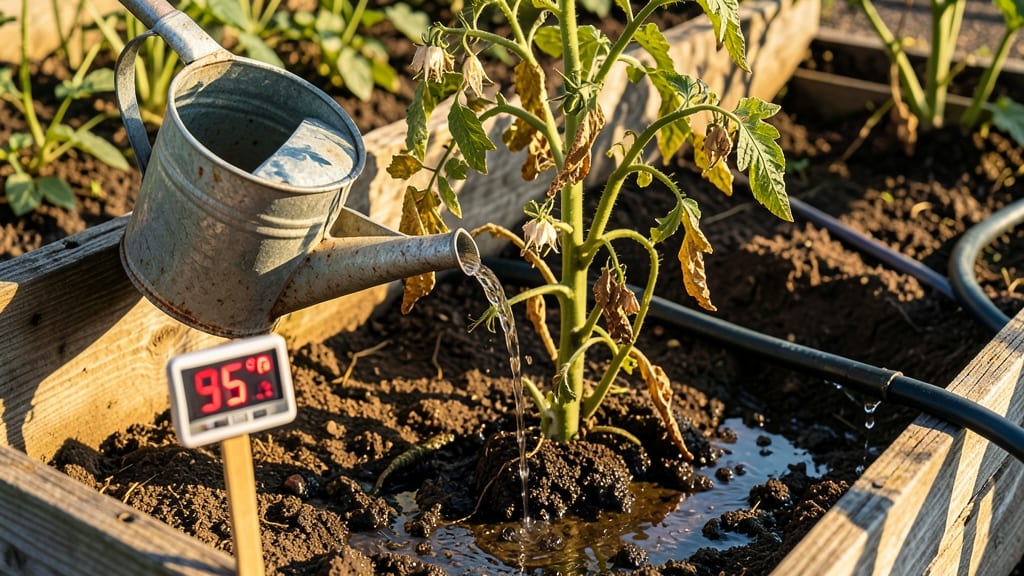
The worst time to water plants is during midday heat—between 10 AM and 4 PM—because evaporation rates skyrocket, roots overheat, and water barely penetrates the soil, wasting precious moisture and stressing your plants.
The midday sun turns your watering efforts into a losing battle. When temperatures climb, soil dries out faster than you can replenish it, forcing roots to work harder just to absorb moisture—often without success. 🌡️ This heat stress can even stunt growth or invite fungal diseases, especially in delicate plants.
I’ve seen firsthand how a quick afternoon watering leaves soil bone-dry by evening, while morning watering lets plants soak up hydration before the sun intensifies.
What’s worse? The water you waste. Up to 30% of water can evaporate midday, meaning your hose or sprinkler is basically feeding the air instead of your garden. Even worse, hot water (which often comes from outdoor taps) can scald roots, creating shock that leaves plants vulnerable to pests.
The solution? Water when the sun is low—early morning or late evening—when plants can drink deeply and soil stays moist longer.
💡 In This Article
- How Midday Heat Harms Plant Roots and Water Efficiency
- Optimal Watering Times for Healthy Plant Growth
How midday heat harms plant roots and water efficiency
The midday sun doesn't just dry out soil—it creates a vicious cycle that wastes water and stresses plants. When temperatures climb above 85°F, evaporation rates can triple compared to cooler mornings.
This means water applied at noon may disappear into the air before it even reaches the roots, leaving your plants thirsty and frustrated. The soil surface becomes a desert-like crust that repels water, preventing it from penetrating deeply where roots need it most.
Heat also disrupts root function in ways you might not expect. When soil temperatures exceed 90°F, beneficial soil microbes that help roots absorb water slow down or die off.
This creates a double whammy: roots struggle to access moisture, and the soil's natural water-holding capacity weakens. 🌡️ I've seen tomato plants wilt dramatically after midday watering because their roots were effectively "cooked" by the heat, unable to absorb what little water made it through the scorched topsoil.
Even worse, hot water from outdoor taps (often 70°F+) can scald tender roots, causing shock that opens doors for fungal infections.
This heat-induced water waste isn't just about evaporation—it's about physics. The sun's intensity creates a "vapor pressure deficit" in the air, essentially sucking moisture out of everything, including your watering can.
Studies show that up to 50% of water applied midday can be lost to evaporation before it benefits your plants. That's like pouring a gallon of water into the wind—your plants get nothing while your water bill goes up. The deeper issue?
When roots can't access consistent moisture, they grow shallow and weak, making plants more susceptible to drought stress and disease.
There's another critical factor: nutrient availability. When soil dries out rapidly, essential nutrients like nitrogen and potassium become locked in the soil particles, unavailable to your plants. This creates a silent deficiency that shows up as yellowing leaves or stunted growth weeks later.
The heat also increases the risk of "waterlogging" in some cases—when heavy midday watering creates temporary puddles that suffocate roots before evaporating. It's a paradox: too much water at the wrong time can be just as damaging as too little.
Consider this real-world example: In my own garden during a 95°F heatwave, I noticed my basil plants wilting by afternoon despite watering them at noon.
The soil surface was dry as a bone, but when I checked deeper with a trowel, the roots were actually saturated—just not in the right places. The water had pooled on top before evaporating, leaving the roots gasping for air.
This is why timing matters more than volume when it comes to watering in extreme heat.
What most gardeners don't realize is that this midday watering habit creates a feedback loop of stress. Plants that don't get proper hydration develop thicker, waxier leaves as a survival mechanism—leaves that then reflect more sunlight, increasing soil temperatures even further.
It's nature's way of saying "help me, but not like that." The solution lies in understanding how to work with your plants' natural rhythms rather than against them.