
Planting
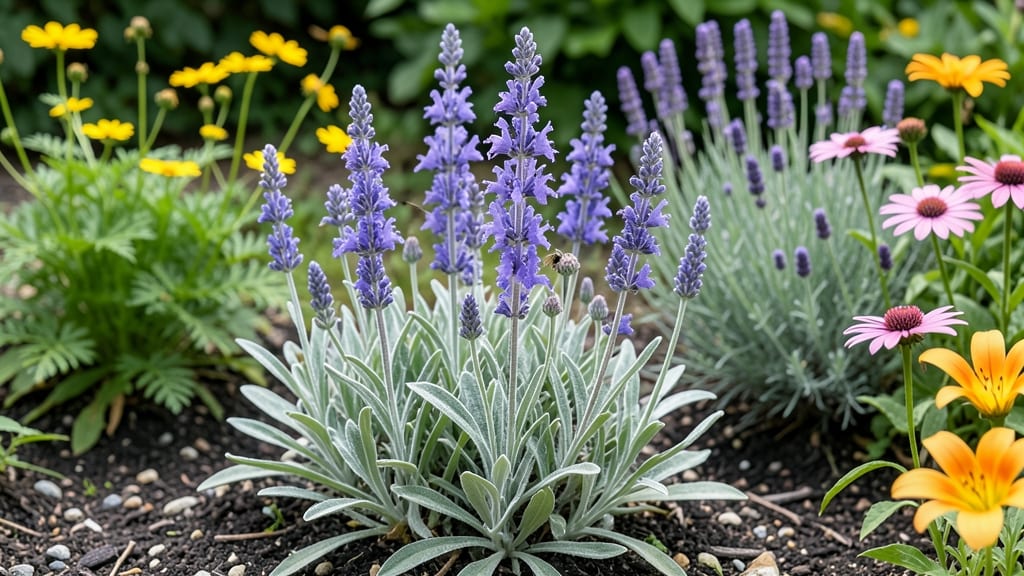
Zone 8 perennials are the secret to a garden that thrives with almost no work from you. 🌿 I’ve tested dozens of varieties here, and these are the ones that come back stronger every year—some even blooming in winter’s quiet moments.
The key isn’t just picking the right plants, but understanding how to prep your soil and when to step back and let nature do the heavy lifting.
Most of these perennials handle our hot summers and mild winters without fuss, but they do need one thing: well-draining soil mixed with compost before planting. Think of it like giving them a fluffy blanket to settle into—no soggy roots, no stress.
And while some like full sun, others thrive in partial shade, so we’ll match plants to spots in your yard that already work.
By late spring, you’ll see blooms that last well into fall, with some like lavender even holding their scent through light frosts. The best part? Once established, these perennials need minimal watering—just enough to keep the soil from drying out completely.
We’re talking one deep watering per week once they’re settled in, not daily fussing.
Let’s start with the easiest, most reliable varieties for your Zone 8 garden—plants that multiply over time, spread where they’re happy, and give you that “I didn’t do much, but look at this!” feeling by next summer.
📚 In This Guide
- What you need
- Instructions
- Tips and common mistakes
- Wrapping up and next steps
What you need
- ● Zone 8-perennial plants: 3–5 mature plants (e.g., Lavender, Black-Eyed Susans, Salvia, Coneflowers). Choose 3–5 gallon containers for established roots.
- ● High-quality potting soil: 1–2 cubic yards (or 50 lbs for container gardening). Opt for well-draining, organic mix (e.g., Miracle-Gro Garden Soil or FoxFarm Ocean Forest).
- ● Garden trowel or transplant spade: 6–8 inches long for digging holes.
- ● Pruning shears: Bypass-style (sharp, 4–6 inches) for trimming.
- ● Watering can or hose with adjustable nozzle: 1–2 gallons capacity for gentle watering.
- ● Organic mulch: 2–3 inches thick (e.g., pine straw, shredded bark, or compost).
- ● Garden gloves: Heavy-duty, nitrile-coated for protection.
- ○ Stakes or plant supports (optional for tall perennials): 3–4 feet long (e.g., bamboo or metal).
- ● Slow-release fertilizer: 10–20 lbs (e.g., Osmocote Smart-Release) for nutrient boost.
- ● Soil pH tester: Ensures 6.0–7.0 pH range (ideal for most perennials).
- ● Drip irrigation kit: Automates watering (great for drought-prone Zone 8).
- ● Compost: 1–2 bags to enrich soil before planting.
- ● Plant labels: Waterproof tags to track varieties.
How to select and plant Zone 8 perennials for low-maintenance beauty
Here’s the straightforward approach I’ve used to create vibrant, low-maintenance gardens in Zone 8.
🌱 Step 1: Choose the Right Perennials for Year-Round Interest
Pick plants that thrive in Zone 8’s mild winters and hot summers while providing seasonal color. Start with 4-6 varieties—I recommend a mix of early bloomers (like heuchera or bleeding heart), mid-season stars (such as coneflowers or black-eyed Susans), and late-season holdouts (like sedum or Russian sage). These ensure blooms from spring through fall.
Check each plant’s mature size and spacing needs. Crowding leads to weak stems and poor airflow, which invites disease. For example, daylilies need 18-24 inches apart, while coreopsis can handle 12-18 inches. Sketch a rough layout before buying—you’ll avoid overplanting and save money on extras.
🪴 Step 2: Prepare the Soil for Long-Term Success
Zone 8’s clay-heavy or sandy soils often need amending to retain moisture without suffocating roots. Work in 2-3 inches of compost or aged manure into the top 6-8 inches of soil. This improves drainage and feeds roots gradually. I like to mix in a handful of slow-release organic fertilizer at planting time—it gives plants a steady nutrient boost without burning.
Test your soil’s pH if possible. Most perennials prefer 6.0-7.0, but blueberries or azaleas (if you’re adding them) need 4.5-5.5. Adjust with lime (to raise pH) or sulfur (to lower it) a few weeks before planting. You’ll see healthier growth and fewer nutrient deficiencies once the soil’s balanced.
☀️ Step 3: Plant at the Right Time and Depth
Fall is the best time to plant perennials in Zone 8—roots establish before winter, and spring brings vigorous growth. Dig holes twice as wide as the root ball but only as deep as the container’s root level. Planting too deep suffocates stems, while shallow planting leaves roots exposed.
Gently remove plants from containers and loosen tangled roots with your fingers. Place each in its hole, backfill with native soil (not amended mix), and water deeply to settle everything. Mulch with 2-3 inches of shredded bark or leaves to retain moisture and suppress weeds. Keep mulch 2 inches away from stems to prevent rot.
💧 Step 4: Water Deeply and Establish a Routine
Water newly planted perennials once a week for the first month, then taper to every 10-14 days once established—unless it rains. Deep watering (1 inch per week) encourages roots to grow downward, making plants drought-tolerant. You’ll know you’re doing it right when the soil feels damp 6 inches down after watering.
After the first year, most Zone 8 perennials need little extra water. Focus on mulching annually to lock in moisture and regulate soil temperature. If leaves yellow or stems wilt, it’s usually a sign of overwatering or poor drainage. Let the soil dry slightly between waterings—perennials hate soggy roots.
✂️ Step 5: Prune and Maintain for Long-Term Health
Prune spent blooms (deadheading) throughout the season to encourage more flowers and prevent seed production. For example, cut back black-eyed Susans after they fade to keep them tidy. In late winter or early spring, trim back woody stems (like butterfly bush) by 1/3 to promote bushier growth.
Fertilize lightly in early spring with a balanced organic fertilizer (10-10-10). Too much nitrogen makes plants leafy but flowerless. Watch for pests like aphids or slugs—handpick or use neem oil as needed. With minimal effort, your perennials will reward you with years of color and resilience.
Tips & tricks for perfect Zone 8 perennial gardens
These simple strategies will help you create a thriving, low-maintenance garden that brings color all year long.
Plant Selection: When choosing your 4-6 varieties in Step 1, prioritize plants with diverse bloom times—this ensures continuous color. For example, pair heuchera (early spring) with Russian sage (late summer/fall). I also recommend including one drought-tolerant variety like sedum to reduce watering needs. This creates a balanced ecosystem where each plant supports the others.
Soil Prep Secret: In Step 2, don't just add compost—mix in a handful of perlite or coarse sand if your soil is heavy clay. This improves aeration without changing the soil structure dramatically. For sandy soils, add a bit of peat moss to help retain moisture. I've found this makes a huge difference in root development, especially for daylilies and coneflowers that need good drainage but consistent moisture.
Planting Depth: The exact planting depth in Step 3 is crucial—use the container's root flare as your guide. If you're unsure, plant slightly shallower rather than deeper. I've seen many gardeners bury stems too deep, which can lead to rot. For coreopsis with its fibrous roots, you can actually plant the crown slightly above soil level to prevent crown rot.
Watering Wisdom: The 1-inch weekly watering guideline in Step 4 works perfectly for established plants, but newly planted perennials need more frequent attention. I recommend giving them a deep watering every 3-4 days during the first month to help roots establish. Use a rain gauge or tuna can to measure water accurately—eyeballing often leads to over or under-watering.
Pro Tips for Zone 8 Perennials
- These simple strategies will help you create a thriving, low-maintenance garden that brings color all year long.
- Plant Selection: When choosing your 4-6 varieties in Step 1, prioritize plants with diverse bloom times—this ensures continuous color.
- Soil Prep Secret: In Step 2, don't just add compost—mix in a handful of perlite or coarse sand if your soil is heavy clay.
Frequently asked questions
What are the easiest perennials for beginners in Zone 8?
Start with low-maintenance stars like Lantana (drought-tolerant and colorful), Salvia (long blooms with minimal care), or Black-Eyed Susan (hardy and cheerful). These handle heat, require little pruning, and bounce back year after year.
When is the best time to plant perennials in Zone 8?
Plant in early spring (March–April) or fall (September–October) for optimal root establishment. Avoid extreme summer heat (May–August), which can stress plants. Cool seasons give perennials time to settle before harsh weather.
How often should I water newly planted Zone 8 perennials?
Water deeply 2–3 times per week for the first month, then taper to once a week (or more in drought). Mulch around the base to retain moisture. Once established, most perennials thrive on rainfall alone—just monitor soil dryness.
What pests or diseases should I watch for in Zone 8 perennials?
Common culprits include aphids (suck plant sap), snails (munch leaves), and powdery mildew (white fungus). Prevent issues with neem oil (for pests) or good airflow (for mildew). Remove affected leaves promptly to stop spread.
Can I replace annuals with perennials in my existing garden?
Swap out high-maintenance annuals like petunias or marigolds for perennials like Coreopsis or Russian Sage. They’ll return every year, reducing replanting work. Just ensure they fit your garden’s sun/shade needs and soil type.
Still stumped? Drop your question in the comments—we’ve got answers!
Wrapping up and next steps
Transforming your Zone 8 garden into a vibrant, low-maintenance haven is simpler than you think! By choosing the right perennials, you’ll enjoy year-round color with minimal effort—just plant, water, and admire.
Whether you’re drawn to bold blooms, lush foliage, or fragrant accents, these resilient plants deliver beauty season after season.
Ready to dive in? Start small! Pick 2-3 perennials that excite you, sketch a simple layout, and begin planting. Before you know it, your garden will be a thriving, effortless masterpiece. Happy gardening! 🌸✨