
Vegetables
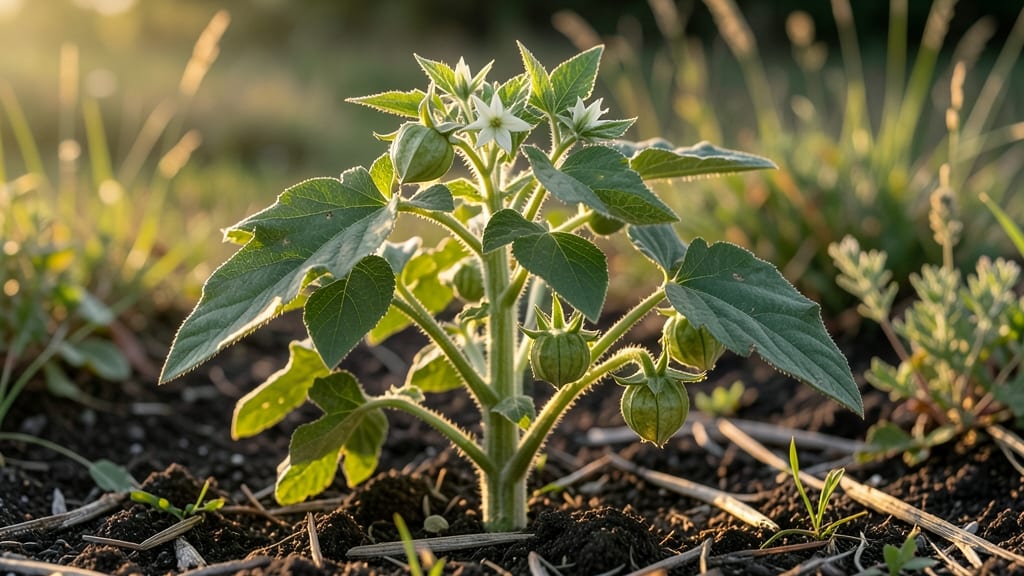
Tomatillos aren't true perennials but act like herbaceous perennials in warm climates, where they die back to the ground each winter and regrow from their roots when temperatures climb above 50°F. In colder areas, they're usually grown as annuals.
This behavior comes down to their tropical origins—tomatillos evolved in Mexico's warm regions, where they naturally experience seasonal dieback. 🌱 Unlike hardy perennials like asparagus, which survive harsh winters underground, tomatillos prefer milder conditions.
In USDA zones 9-11, they'll reliably return year after year, while gardeners in zones 3-8 typically replant new starts each spring. The key difference lies in their root system: while not as cold-hardy as true perennials, they can regenerate from established roots when given enough warmth and protection.
For colder climates, the solution is simple: treat them like annuals or take extra steps to protect their roots. Many gardeners in marginal zones successfully overwinter tomatillos by mulching heavily or growing them in containers that can be moved indoors.
The right variety matters too—some Mexican heirloom types handle cooler temperatures better than commercial hybrids.
💡 In This Article
- Tomatillo Growth Cycle: Why They Die Back Annually
- Extending Tomatillo Lifespan in Cold Climates
Tomatillo growth cycle: why they die back annually
The tomatillo's annual dieback stems from its tropical heritage and shallow root system. Unlike true perennials like asparagus (which develop thick, insulated rhizomes), tomatillos grow fibrous roots that spread only 12-18 inches deep.
When temperatures drop below 50°F, these roots become dormant, and the plant's above-ground growth yellows and collapses—this is called "senescence." The key difference is that while true perennials store energy in underground bulbs or crowns, tomatillos rely on their roots to regenerate when warmth returns. 🌱
This process is triggered by photoperiod and temperature cues. In their native Mexico, tomatillos experience dry seasons where they naturally die back and revive with monsoon rains. The plant's dormancy is light, meaning it won't survive prolonged freezing—unlike hardy perennials that can endure -10°F conditions.
What makes them unique is how quickly they rebound: with consistent warmth above 55°F and moisture, new shoots emerge from the same root crown within 2-3 weeks.
Climate zones dramatically affect their lifespan. In USDA zones 9-11, tomatillos thrive as herbaceous perennials, producing fruit for 3-5 years before root vigor declines. But in zones 3-8, the roots often fail to survive winter exposure, forcing gardeners to replant annually.
The transition zone (zones 7-8) is particularly tricky—some years they'll regrow, while others they won't, creating an unreliable perennial behavior. 🌡️
What most gardeners don't realize is that tomatillo roots contain residual energy even after dieback. The root crown (where stems attach) can remain viable for months if protected from freezing. This is why heavy mulching works—it insulates the roots while allowing them to stay dormant rather than freezing solid.
The plant's ability to regenerate from these dormant roots is what gives it perennial-like behavior in ideal conditions.
Comparing tomatillos to true perennials reveals their limitations. While asparagus crowns can survive -20°F winters, tomatillo roots typically tolerate only down to 25°F for short periods. Their shallow root system also makes them vulnerable to soil temperature fluctuations.
In colder climates, the plant's survival depends entirely on maintaining root temperature above 40°F throughout winter. 🥶
Interestingly, tomatillos share this growth pattern with other tropical vegetables like okra and sweet potatoes. All three plants die back annually in cold climates but can regrow from roots when conditions improve.
The critical factor is maintaining root viability—once frozen solid, even the most established tomatillo roots won't regenerate. This biological limitation explains why they're classified as herbaceous perennials rather than true perennials.
The takeaway is that tomatillos are more resilient than they appear—given the right conditions, they'll reliably return year after year. Their annual dieback isn't a sign of weakness but an adaptation to their native environment's seasonal patterns.
Understanding this growth cycle helps gardeners in all climates make informed decisions about cultivation strategies. 💡