
Plants
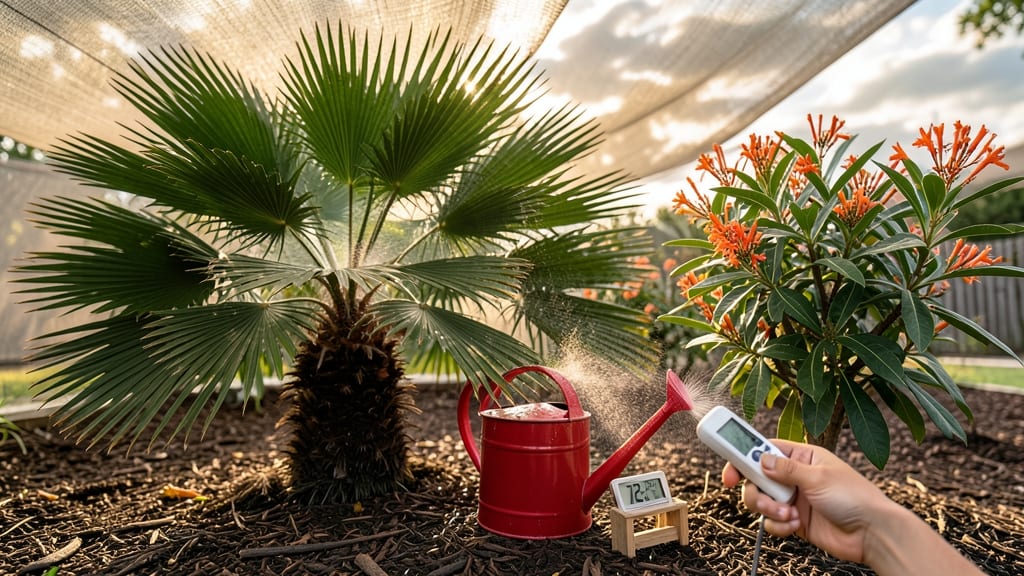
The best time to water plants in Florida is between 4 AM and 8 AM, when temperatures are cooler and evaporation rates are lowest, reducing fungal risks and maximizing root absorption. Evening watering is risky due to humidity and pest attraction, while midday waste water through evaporation.
Florida's climate demands precision when watering—morning watering gives roots time to absorb moisture before the sun intensifies. 🌅 This approach also minimizes fungal growth, which thrives in the damp evenings Florida often experiences.
I've seen firsthand how plants in my raised beds in Zone 8 flourish with this schedule, especially during our hot, dry summers when evaporation would otherwise dry out soil too quickly.
For tropical plants, morning watering prevents leaf scorch, while native species benefit from the cooler air's ability to reduce runoff.
What's interesting is how seasonal shifts change the game. During Florida's wet season, you might need to water less frequently, but the morning window still applies. In drought-prone areas like North Florida, I've adjusted to watering every other morning to conserve resources while maintaining plant health.
The key is observing your plants—they'll tell you when they need a drink, even if the calendar suggests otherwise.
Evening watering might seem convenient, but the high humidity creates a breeding ground for pests like slugs and fungal diseases. 🌙 I once lost a batch of tomato plants to blight because I watered at dusk—something I never repeat!
The morning routine might require waking up early, but the long-term benefits for your garden's health make it worth the effort.
💡 In This Article
- Why Morning Watering Works Best for Florida Gardens
- Florida Watering Schedules by Plant Zone and Season
Why morning watering works best for Florida gardens
Florida's early morning hours—specifically between 4 AM and 8 AM—create ideal conditions for watering because temperatures hover around 70-75°F, far cooler than the 90°F+ midday heat.
This cooler air reduces evaporation rates by up to 50% compared to afternoon watering, meaning more moisture reaches the roots rather than dissipating into the air. The science here involves vapor pressure deficit (VPD), a measure of atmospheric dryness—lower VPD in the morning means water stays where it's needed.
Another critical factor is fungal disease prevention. Florida's humid climate creates perfect conditions for pathogens like powdery mildew and root rot, which thrive in damp foliage. Morning watering allows leaves to dry quickly within 4-6 hours before afternoon humidity peaks, reducing fungal spores' ability to infect plants.
I've noticed this especially with tomato plants—watering at 6 AM keeps them disease-free, while evening watering often leads to leaf spots within days.
The morning window also maximizes root absorption efficiency. Soil temperatures at dawn are cooler, which means roots aren't stressed by heat while absorbing water. This is particularly important for container gardens and raised beds, where soil heats up faster and dries out quicker.
The 1-2 inch deep watering applied in the morning penetrates more effectively than the same amount applied at noon, when evaporation would immediately claim 30-40% of the water.
Evening watering presents two major problems: pest attraction and water waste. Florida's nighttime humidity creates ideal conditions for slugs, snails, and fungal gnats, which are drawn to moist soil. I've seen firsthand how evening watering can triple slug populations in just 3-5 days during our wet season.
Additionally, water applied after 6 PM often sits on leaf surfaces overnight, creating a damp environment that encourages bacterial growth and leaf diseases like anthracnose.
Consider this comparison: a 1-gallon watering applied at 7 AM in Zone 9 will penetrate 6-8 inches deep into well-draining soil, while the same amount applied at 2 PM might only wet the top 2 inches before evaporating.
The morning routine also helps prevent nutrient leaching, as cooler temperatures reduce the speed at which water carries soluble nutrients beyond the root zone.
For tropical plants like hibiscus or ginger, morning watering prevents leaf scorch that occurs when water evaporates too quickly from broad leaves. Native Florida plants, however, often have deeper root systems that benefit from the morning moisture's ability to reach 12-18 inches deep—something afternoon watering simply can't achieve.
The key is understanding your specific plants' needs while working with Florida's climate patterns.