
Watering
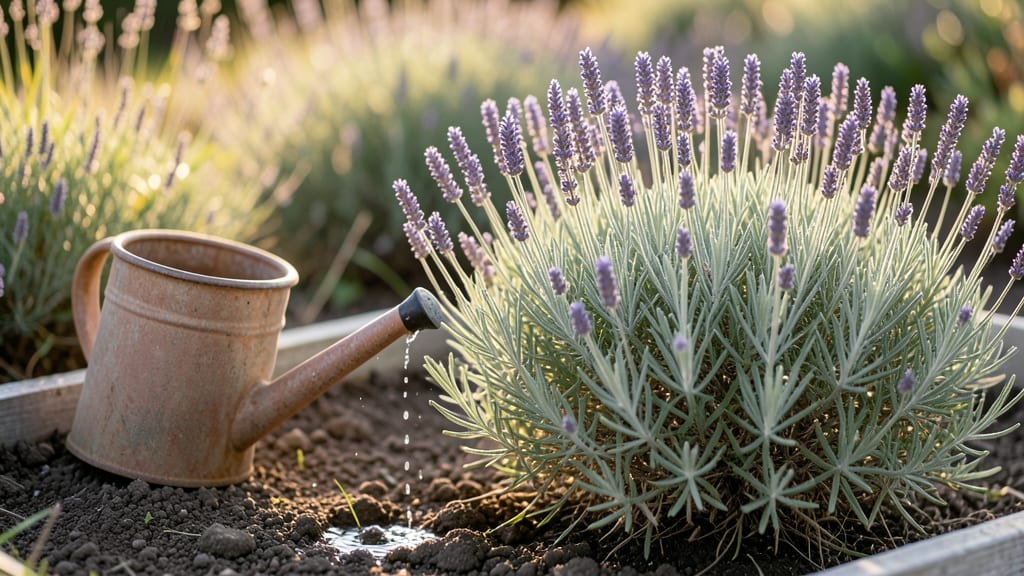
Watering your lavender plant the right way means how much water it gets is the difference between a thriving bush and a sad, soggy mess.
Overwatering kills more lavender plants than drought—yet most gardeners get it wrong, drowning their fragrant favorites in a slow-motion death by soggy roots. The key? Deep, infrequent drinks, not daily sips.
Lavender hails from Mediterranean climates where summers are dry and winters are mild, so it’s built for drought, not damp soil. Too much water leads to root rot, while too little stresses the plant—but finding that sweet spot keeps your 🌿 lavender lush and blooming.
Below, I’ll break down exactly how often to water (it’s less than you think), the best times to do it, and how to spot when you’ve gone overboard—plus seasonal tweaks to keep your lavender happy year-round.

Lavender watering schedule: how often to water based on climate
Lavender thrives on infrequent but deep watering, mimicking its native Mediterranean drought conditions. Unlike thirsty annuals, lavender stores water in its woody stems, making it highly drought-tolerant once established.
The biggest mistake? Watering too often—this leads to root rot and fungal diseases that can kill your plant in weeks.
Your watering schedule should shift with the seasons and climate. In hot, dry climates like California or Arizona, lavender might only need water every 4-6 weeks in summer. But in humid regions like the Southeast, you’ll need to water more carefully to prevent soggy soil.
Even soil type matters: Sandy soil drains faster than clay soil, so adjust accordingly.
Here’s the key rule: Always let the soil dry completely between waterings. Stick your finger 2-3 inches deep into the soil—if it feels dry, it’s time to water. If it’s still moist, wait another week. This simple check prevents 90% of lavender watering mistakes.
| Climate Type | Season | Soil Type | Watering Frequency | Watering Depth | Notes |
|---|---|---|---|---|---|
| Mediterranean (Dry) | Spring | Sandy | Every 3-4 weeks | 6-8 inches | Increase slightly if frost is forecasted |
| Mediterranean (Dry) | Summer | Sandy | Every 4-6 weeks | 8-10 inches | Morning watering only |
| Mediterranean (Dry) | Fall | Sandy | Every 6-8 weeks | 4-6 inches | Reduce as temps drop |
| Mediterranean (Dry) | Winter | Sandy | Monthly or less | 2-3 inches | Only if soil is bone dry |
| Humid (Wet) | Spring | Clay | Every 2 weeks | 4-6 inches | Avoid overhead watering |
| Humid (Wet) | Summer | Clay | Every 3 weeks | 6-8 inches | Use drip irrigation |
| Humid (Wet) | Fall | Clay | Every 4 weeks |
5 Signs your lavender is dying from overwatering (and how to fix it)Lavender thrives on neglect—literally. Unlike thirsty annuals, these Mediterranean natives hate soggy roots. When you water too often, your lavender sends out silent distress signals before collapsing. The key is spotting these early warnings before root rot takes hold. I’ve seen lavender go from lush purple spikes to sad, mushy stems in just weeks from overzealous watering. Your lavender’s leaves are the first to betray it. Look for yellowing or browning at the tips—this isn’t the golden hue of maturity, but a cry for help. Paired with soft, mushy stems, this combo means your plant’s roots are drowning. Even worse? The soil around the base may smell foul or feel slimy, signaling fungal growth. These are classic overwatering red flags. 🌱 5 Critical Signs of Overwatered Lavender
If you spot these signs, act fast. First, stop watering immediately—yes, even if the soil feels dry. Lavender’s roots need time to recover. Next, improve drainage by adding gravel or perlite to the soil or repotting into a container with drainage holes. For severe cases, trim back the affected stems with sterilized shears to redirect energy to healthy growth. To revive your lavender, prune 1/3 of the plant to reduce stress. Then, water deeply but infrequently—only when the top 2-3 inches of soil are completely dry. In containers, this might mean watering once every 5-7 days, while in-ground lavender can go 3-4 weeks without water in summer. Always water at the base of the plant to avoid wetting the foliage, which encourages fungal growth. For extra protection, apply a fungicide like copper spray to prevent further spread of mold. Monitor your lavender closely for the next few weeks, and you’ll likely see new green growth within 2-3 weeks. The key is patience—lavender is resilient, but it needs time to bounce back from waterlogged roots. Once recovered, adjust your watering habits to match its drought-tolerant nature. Remember, lavender’s fragrant foliage is a sign of health, not thirst. If you’re unsure whether to water, stick your finger 2 inches into the soil. If it’s moist, wait. If it’s dry, give it a deep drink. Trust me, your lavender will thank you with vibrant blooms and years of low-maintenance beauty. 🪴 |