
Picking
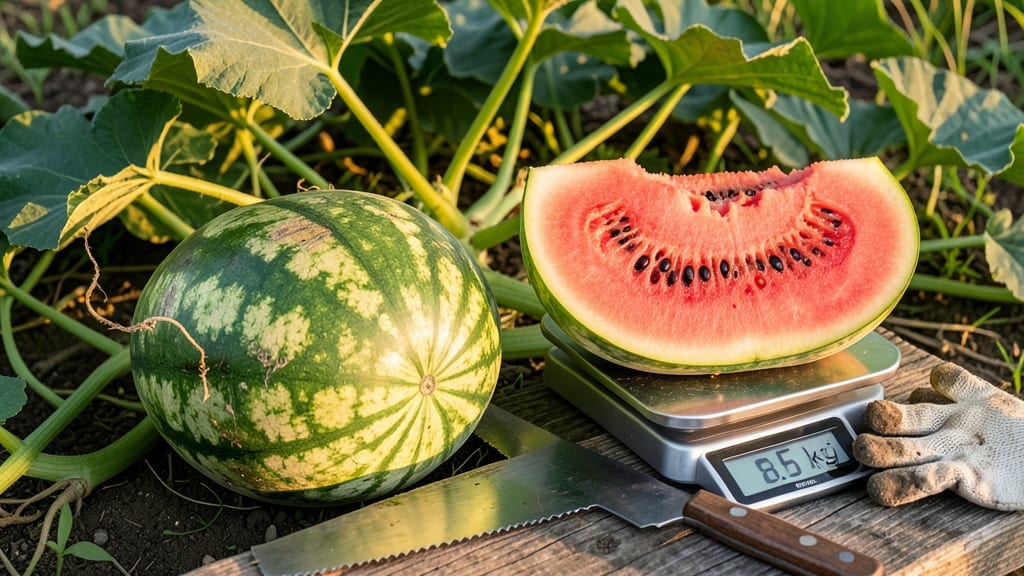
To tell when a watermelon is ready to pick, you’ll need to check for three key signs: a dull rind, a dry stem, and a field spot that’s hard to miss 🍉.
Picking too early means a bland, watery mess—but harvesting at the right time guarantees sweet, juicy perfection. The difference between a disappointing slice and a juicy feast often comes down to these simple checks.
First, look for a dull, matte skin instead of a shiny surface—this means the sugars are fully developed. Then, snap the stem near the fruit; if it breaks cleanly, it’s ready. Finally, tap the melon: a deep, hollow sound signals ripeness.
Below, I’ll walk you through these tricks, plus how to troubleshoot common mistakes so you never miss the perfect harvest again.

3 Visual and physical signs your watermelon is perfectly ripe
Nothing beats the thrill of harvesting a sweet, juicy watermelon straight from your garden. But timing is everything—pick too early, and you’ll get a watery, bland disappointment. Too late, and the fruit might overripe or attract pests.
The key is learning to read your watermelon’s visual and physical cues like a pro. Over the years, I’ve tested these tricks in my own garden, and they never fail to deliver perfectly ripe fruit.
Most gardeners focus on just one or two signs, but the real secret is combining three key indicators: rind color changes, field spot development, and stem drying. Together, these clues give you a foolproof way to predict sweetness and texture without cutting into the melon.
Whether you’re growing seedless varieties or classic heirlooms, these methods work for all watermelons.
-
1. Rind Color Changes
Look for a deep, consistent color—no streaks or patches. For dark varieties, the rind should turn solid dark green (not yellow or white). Lighter varieties like 'Yellow Doll' will develop a creamy yellow hue with no green spots. Press your thumbnail into the rind: if it doesn’t puncture easily, it’s ready. -
2. Field Spot Appears
This is the white, cream-colored patch on the side of the melon that touched the ground. A ripe watermelon will have a clear, defined field spot that’s not streaked or faded. Pro tip: Check this spot first—it’s the most reliable early sign of ripeness in my experience. -
3. Stem Dries and Snaps
The stem near the fruit should turn brown and dry, almost papery. Gently twist it—if it snaps cleanly (not tears), the melon is at peak ripeness. A green, flexible stem means it needs more time.
Let me share a story from my first year growing watermelons. I picked a fruit because it looked big, but the rind was still soft and the stem was green. When I cut it open, it was 90% water and barely sweet.
That lesson taught me to trust the stem and field spot over size alone. Size doesn’t guarantee ripeness—some varieties grow large but stay bland if harvested too early.
Another trick I swear by is the thumping test, though it’s not one of the three main signs. Tap the melon with your knuckles—if it sounds deep and hollow, it’s ripe. A dull thud means it’s underripe.
I’ve found this works best when combined with the other two indicators. For example, a melon with a dry stem and field spot but a slightly dull thump might just need a day or two more on the vine.
Don’t overlook the weight factor either. A ripe watermelon feels heavy for its size because it’s packed with juice and sugar. Lift a few candidates—you’ll notice the ripe ones feel surprisingly dense.
This is especially useful when comparing multiple melons on the vine. I once had three watermelons ready at once, and the heaviest one was the sweetest by far.
One common mistake I see is waiting for the entire vine to die back before picking. While some gardeners swear by this, I’ve found that by then, the melon might be overripe or attracting squash vine borers.
Instead, focus on the three key signs and harvest when they align. In my garden, this usually means picking in late July or early August, depending on the variety and weather.
If you’re growing smaller varieties like 'Sugar Baby' or 'Tiny Tim', the same rules apply, but the field spot and stem drying might be more pronounced due to their size. These compact melons ripen faster, so check them every 2-3 days once they’re close.
I’ve even picked 'Sugar Baby' melons in 65 days when conditions were perfect—proof that timing beats size every time.
Finally, remember that weather plays a role. Hot, dry summers speed up ripening, while cool, cloudy weather can delay it. In my Zone 6a garden, I adjust my expectations based on the forecast.
If we’ve had a heatwave, I might pick a day earlier than usual. Pay attention to your local climate—these signs are universal, but their timing can vary slightly.
Now that you know the secrets, grab your gardening gloves and head out to check your watermelons. The moment you see all three signs working together, it’s time to harvest that sweet reward.
Trust me, there’s nothing like slicing into a perfectly ripe watermelon you grew yourself—it’s the ultimate gardening victory. 🍉
The science of watermelon ripeness: why color, sound, and weight matter
Watermelon ripeness isn't just about guessing—it's a mix of science and sensory cues that reveal when your fruit is ready. The rind color, thumping sound, and weight all signal sugar development and maturity. Understanding these clues helps you avoid the disappointment of underripe or overripe melons.
Most gardeners focus on the field spot (a creamy patch where the melon rested on the ground) and stem drying, but the real magic happens when these visual cues align with physical tests.
For example, a deep yellow or tan rind combined with a hollow thump and heavy weight means your watermelon is primed for peak sweetness.
| Ripeness Indicator | What to Look For | Science Behind It |
|---|---|---|
| Rind Color | Deep yellow or tan (not green or streaked) | Chlorophyll breaks down as sugars develop, changing color. |
| Thumping Sound | Hollow when tapped (like a drum) | Indicates high water content and seed maturity. |
| Weight | Feels heavy for its size | Sugar and water content increase as the fruit matures. |
| Stem Condition | Brown and dry (snaps easily) | Cut-off point triggers ethylene gas, speeding ripening. |
| Field Spot | Creamy white patch on ground-side | Natural calcium buildup from soil contact. |
Not all watermelon varieties follow the same rules. For example, yellow-fleshed varieties like 'Yellow Doll' may ripen when the rind turns pale yellow, while heirloom types like 'Moon and Stars' often need a longer maturity window.
Always check the seed packet for variety-specific tips, as some take 85-90 days to ripen compared to standard 70-75 days.
Temperature also plays a role—hot climates speed up ripening, so you might see color changes faster. In cooler areas, watermelons may take longer to develop the hollow thump or field spot. If you're unsure, cut one open: a deep red or orange interior with black seeds means success!
Remember, the earlier you pick, the more watery and bland the fruit will taste. But leaving it too long can lead to overripeness, where the flesh turns mushy. Balance these cues, and you’ll harvest watermelons that are bursting with flavor every time. 🌱🍉