
Plants
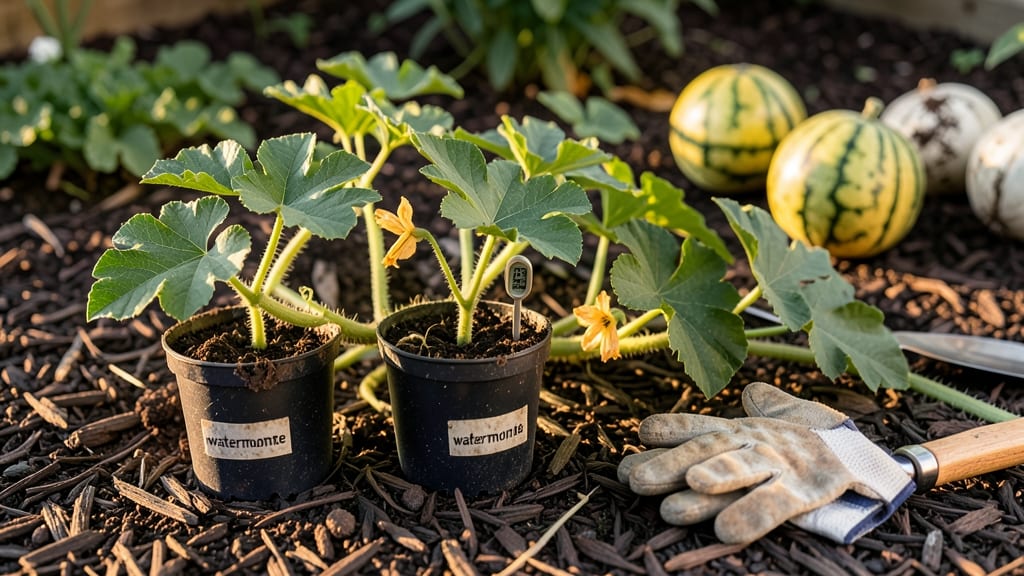
Planting watermelon in Michigan means timing it right—soil must be 70°F+ and frost-free for 150+ days to grow juicy 🍉 fruit.
Michigan gardeners know timing is everything—plant watermelon too early and frost will kill your crop, too late and summer’s heat won’t ripen them fast enough. Get the perfect planting window to grow juicy, vine-ripened watermelons in the Great Lakes state.
In USDA Zones 5b-6b, wait until late May to early June after the last frost (mid-April to early May) and soil warms consistently. Direct sowing is best for Michigan’s short season, but transplants can work if started early indoors.
Here’s how to prepare your soil, choose the right varieties, and extend the season with mulch or row covers—so you’re harvesting sweet watermelons by late summer.
Michigan watermelon planting calendar: frost-free dates & hardiness zones
Michigan’s diverse climate means frost-free dates can vary by 100+ miles. In the Lower Peninsula, gardeners typically enjoy 150-180 frost-free days, while the Upper Peninsula often sees 120-150 days. This difference directly impacts watermelon planting windows, which need 70°F+ soil and warm nights to thrive.
Timing is critical—plant too early and late frosts will kill tender seedlings, too late and cool summers may prevent full ripening.
Watermelons are warm-season crops that hate cold. They’re classified as USDA Zones 5b-6b in Michigan, meaning most regions can grow them, but short-season varieties work best in northern areas.
The Lower Peninsula (like Detroit or Grand Rapids) has a longer growing season, while the Upper Peninsula (like Marquette or Houghton) requires earlier varieties or season extension techniques. Always check your local frost dates—they’re your gardening GPS.
For direct seeding, wait until after the last frost date and when soil temps consistently hit 70°F+. In most of Michigan, this lands in mid-May to early June.
If you’re using transplants, start them indoors 4-6 weeks before the last frost, then transplant after soil warms. Transplants give you a 2-week head start, but handle them gently—their delicate roots bruise easily.
Michigan’s Great Lakes influence creates microclimates. Southern Michigan (like Ann Arbor or Kalamazoo) often sees warmer springs and can plant 1-2 weeks earlier than northern areas.
Meanwhile, the Thumb region (near Bad Axe) has longer frost-free seasons and can even try early varieties like 'Sugar Baby' or 'Crimson Sweet'. Always adjust based on your specific location—not just the state average.
| Region | Last Frost Date | First Frost Date | Direct Sowing Window | Transplant Window |
|---|---|---|---|---|
| Southern Lower Peninsula (Detroit, Ann Arbor) | Mid-April | Mid-October | Late May - Early June | Early May - Mid-May |
| Northern Lower Peninsula (Traverse City, Grand Rapids) | Early May | Late September | Early June | Late May |
| Upper Peninsula (Marquette, Houghton) | Early June | Early October | Late June | Early June |
| Thumb Region (Bad Axe, Port Huron) | Late April | Mid-October | Late May | Early May |
📍 Note: Adjust dates 1-2 weeks earlier for sheltered microclimates (e.g., south-facing slopes).
If you’re in a cooler microclimate or want to extend your season, use row covers or cold frames to protect early seedlings. These tools can raise soil temps by 5-10°F and delay frost damage.
For example, in the Upper Peninsula, I’ve successfully used floating row covers to plant transplants in late May instead of waiting until June. Just remember to remove covers once plants flower to allow pollination.
For direct-seeded watermelons, soil temperature is more critical than air temperature. Use a soil thermometer to confirm 70°F+ before planting. In cool springs
Soil temperature & watermelon germination: what Michigan gardeners must know
Watermelon seeds need warm soil to germinate—60°F or warmer is the minimum threshold, but 70°F+ ensures fast, healthy sprouting. In Michigan’s cooler springs, this can be a real challenge, especially in USDA Zones 5b-6b where late frosts linger until May.
Without proper soil warmth, seeds may rot or take weeks to sprout, delaying your harvest by critical weeks.
Testing soil temperature is simple: use a soil thermometer (available for under $10) or press your hand into the soil—if it feels too cool for comfort, your seeds will struggle.
Michigan’s Great Lakes climate adds another layer of complexity, as lake breezes can keep soil temperatures 10°F cooler than inland areas. This means gardeners near Lake Michigan or Huron may need to wait 1-2 weeks longer than those in southern Michigan.
| Soil Temp Range | Germination Speed | Michigan Planting Window | Solution for Cool Soil |
|---|---|---|---|
| Below 60°F | No germination | Wait until late May | Use black plastic mulch |
| 60°F-65°F | Slow (10-14 days) | Early June (southern MI) | Add compost or manure |
| 65°F-70°F | Moderate (7-10 days) | Mid-May (protected areas) | Use row covers after planting |
| 70°F+ | Fast (3-7 days) | Late May (most regions) | Plant directly in warmed soil |
If your soil isn’t warm enough, amendments can help. Work in well-rotted compost or aged manure 2-3 weeks before planting to raise temperatures naturally. For an extra boost, lay black plastic mulch over the soil 1-2 weeks prior—this can raise soil temps by 10°F+ and speed up warming.
I’ve found that straw mulch after planting also helps retain warmth while preventing weeds.
Slow germination is often a sign of cool soil or old seeds. If your seeds take longer than 14 days to sprout, check for moisture (soil should stay consistently damp, not soggy) and consider replanting if fewer than 50% of seeds have sprouted.
In Michigan’s shorter growing season, every day counts—don’t let slow starts hold you back from a bountiful harvest.
For northern Michigan gardeners, consider starting seeds indoors under grow lights 4-6 weeks before your last frost date, then transplant when soil reaches 70°F. Use biodegradable pots to avoid disturbing roots. This method gives vines a 2-week head start, increasing your chances of ripe fruit before frost.
Remember: watermelons thrive in heat and humidity, so once they’re planted, focus on consistent watering (1-2 inches per week) and mulching to keep roots cool. With the right soil prep, even Michigan’s cooler springs can yield sweet, vine-ripened watermelons—just give your seeds the warm start they deserve! 🌱