
Plants
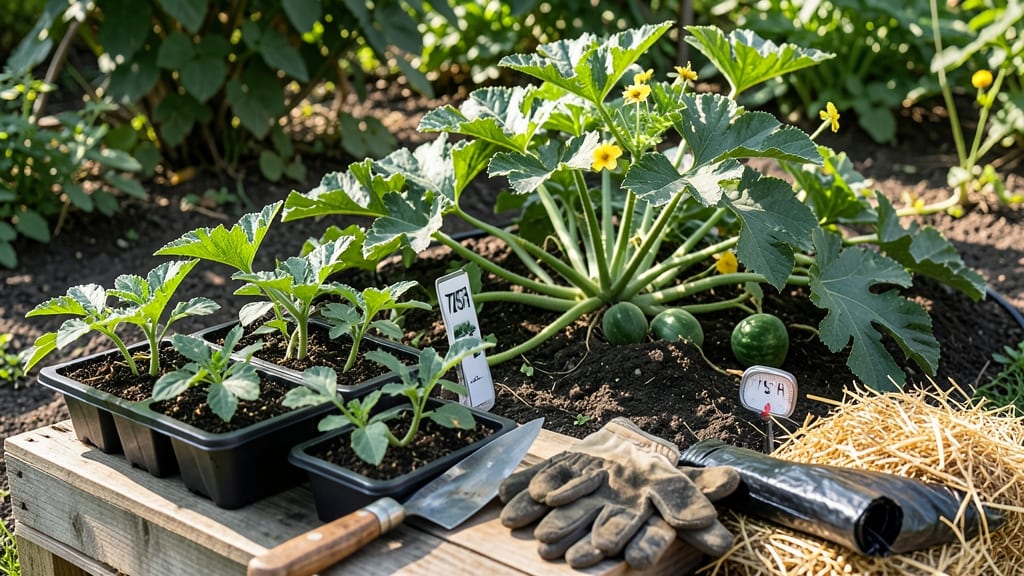
To plant watermelon in Oregon, wait until after the last frost—typically mid-April in the Willamette Valley but later in high desert areas like 7b-9a zones—when soil temperatures hit 70°F+.
Oregon’s unpredictable spring weather can leave even experienced gardeners guessing about the perfect time to plant watermelons—but getting it wrong means smaller fruits or no harvest at all.
Timing isn’t just about frost-free dates; soil temperature and regional microclimates play a critical role in maximizing your 🍉 yield. Eastern Oregon’s cooler nights, for example, demand extra care, while the Willamette Valley’s milder climate offers a slightly longer window.
In this guide, I’ll break down the exact frost-free dates by region, soil temperature tricks to jumpstart growth, and whether starting seeds indoors gives you the edge over direct sowing.
Oregon’s frost-free dates & soil temperature requirements for watermelon growth
Planting watermelons in Oregon requires more than just checking a calendar—it’s about understanding soil temperatures, regional frost patterns, and how your specific microclimate behaves. Unlike heat-loving plants, watermelons won’t germinate until the soil warms to 60°F+, and they thrive best when daytime temps stay above 75°F.
Oregon’s diverse climates mean Willamette Valley gardeners face different challenges than those in Eastern Oregon, where high desert conditions dominate.
The average last frost date in Oregon ranges from early April in the Willamette Valley to late May in Eastern Oregon’s high desert, but these dates are just starting points.
Watermelons need 90-120 frost-free days to mature, so planting too early—even after frost—can leave your vines struggling in cool soil. The key is waiting for both frost-free conditions AND consistent soil warmth.
Here’s how Oregon’s two main regions differ in critical planting windows:
| Region | USDA Zone | Avg. Last Frost | Soil Temp for Germination | Ideal Planting Window | Notes |
|---|---|---|---|---|---|
| Willamette Valley | 7b-8a | Early April | 60°F+ (15°C+) | Mid-May to early June | Cooler nights; use black plastic mulch |
| Eastern Oregon (High Desert) | 6b-7a | Late May | 65°F+ (18°C+) | Early June to mid-July | Hot days, cold nights; choose heat-tolerant varieties |
| Southern Oregon (Medford) | 8a-9a | Mid-March | 60°F+ (15°C+) | Late April to May | Longer growing season; can plant earlier |
| Coastal Oregon | 8b-9b | Mid-April | 62°F+ (17°C+) | Early June | Cooler summers; extend season with row covers |
To check your local soil temperature, use a soil thermometer buried 2 inches deep in full sun. If your soil hasn’t reached 60°F by late May, consider starting seeds indoors under grow lights or using a cold frame to jumpstart germination.
In Eastern Oregon, where nights can drop below 50°F, opt for day-neutral varieties like ‘Sugar Baby’ that tolerate cooler temps better than traditional types.
Direct-sowing watermelon seeds too early—even in warm soil—can stunt growth due to cool night temperatures. A common mistake is planting in April in the Willamette Valley, only to see seedlings wilt from 50°F nights.
Instead, wait until daytime highs consistently hit 75°F+ and nights stay above 60°F. This usually aligns with late May to early June for most of Oregon.
For container gardening, soil warms faster in pots, but you’ll still need to monitor temperatures. Black plastic pots absorb heat better than traditional containers, helping reach germination thresholds sooner.
If you’re in a high-elevation area like Bend, consider using row covers or a low tunnel to create a warmer microclimate for your vines.
Pro tip: Use a frost watch tool like the National Weather Service’s frost prediction maps to track real-time updates. Oregon’s marine influence can delay spring warming, so don’t rely solely on
5 Proven strategies to extend Oregon’s short growing season for watermelons
Oregon’s cool nights and unpredictable weather can make growing watermelons a challenge, but with the right strategies, you can extend the season and enjoy juicy fruits. The key is warming the soil, protecting tender plants, and choosing the right varieties for your microclimate.
Let’s explore five practical tactics that work even in Oregon’s USDA Zones 7b-9a.
First, understand that soil temperature is more critical than air temperature. Watermelon seeds need 60°F+ soil to germinate, while optimal growth requires 75°F+ consistently.
In Oregon’s Willamette Valley, this often means waiting until late May or early June, while eastern Oregon may see earlier planting in April due to drier conditions.
- 🔥 Black Plastic Mulch: Lay black plastic 2-3 weeks before planting to raise soil temps by 5-10°F. Remove it when vines spread to prevent overheating. Best for Western Oregon where nights stay cool.
- 🏡 Cold Frames or Row Covers: Use floating row covers or mini greenhouses to protect seedlings from late frosts (common in April-May). Remove covers once plants flower to prevent heat stress.
- 🌼 Companion Planting: Interplant marigolds or nasturtiums to repel pests like cucumber beetles. These flowers also attract pollinators, boosting fruit set in cooler weather.
- 🌱 Indoor Seed Starting: Begin seeds 6-8 weeks before last frost (late March) in grow lights. Transplant hardened-off seedlings when soil reaches 70°F+. Ideal for short-season areas like Portland.
- ☀️ South-Facing Beds: Plant in the warmest spot of your garden, ideally against a south-facing fence or wall. This captures extra heat during Oregon’s overcast days.
Each strategy has trade-offs. For example, black plastic mulch works wonders in Western Oregon but can overheat soil in drier eastern regions. Similarly, cold frames are perfect for late springs but require removal to prevent blossom drop in heat.
Always monitor soil moisture—watermelons need 1-2 inches of water weekly, but soggy conditions invite disease.
For companion planting, focus on marigolds (which deter nematodes) or basil (which improves flavor). Avoid planting near potatoes or fennel, as these stunt watermelon growth. If starting seeds indoors, use biodegradable pots to avoid root disturbance during transplanting—a common mistake that delays fruiting.
Pro tip: In eastern Oregon, where summers are hotter, opt for day-neutral varieties like ‘Sugar Baby’ (70 days to harvest) instead of heat-sensitive types. For cooler coastal areas, extend the season with row covers until June 1, then remove them to allow pollination.
Always harden off seedlings for 7-10 days before transplanting to prevent shock.
With these strategies, you can push Oregon’s growing season by 2-4 weeks, ensuring larger, sweeter watermelons even in challenging climates. Start with one or two methods that fit your microclimate, and track soil temps daily using a soil thermometer—it’s your best tool for success. Happy growing!