
Shrubs
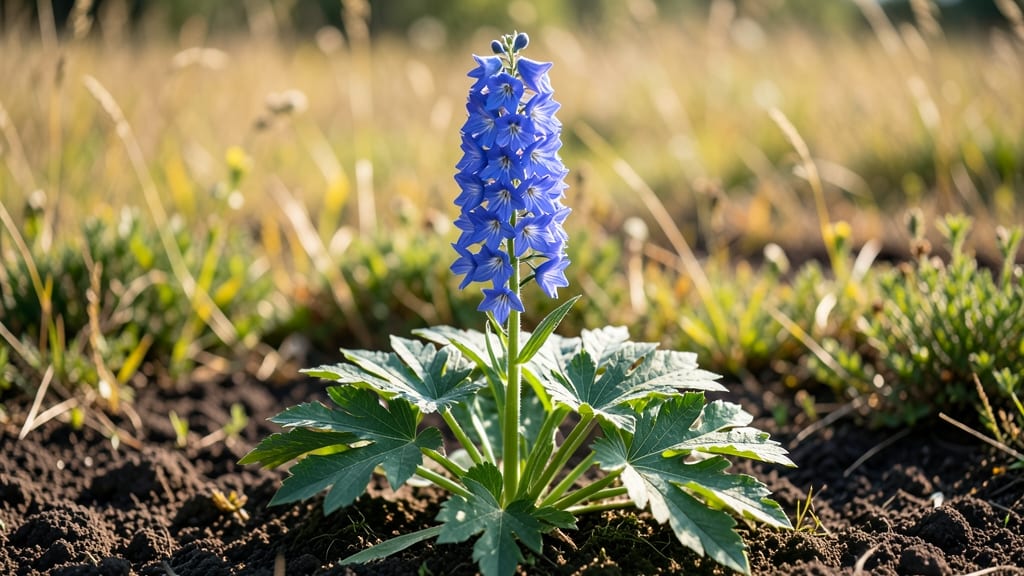
Blue flowering perennials shrubs like catmint, Russian sage, and bluebeard deliver striking seasonal color while thriving in cold climates, requiring minimal maintenance. Their hardiness in USDA zones 4-9 makes them perfect for year-round landscaping with drought-resistant properties.
These hardy shrubs owe their resilience to their deep root systems and dense foliage, which insulate against freezing temperatures. 🌿 Many varieties—like catmint and Russian sage—actually bloom more prolifically in cooler weather, extending their vibrant blue hues from early spring through late fall.
I've found that their drought tolerance comes from thick, waxy leaves that conserve moisture, making them ideal for low-maintenance gardens in northern climates.
For best results, plant them in well-draining soil with full sun exposure, and prune back in early spring before new growth appears. This encourages bushier growth and more abundant blooms throughout the season.
The key is balancing their natural hardiness with proper spacing—typically 3-5 feet apart—to allow air circulation and prevent fungal issues.
💡 In This Article
- Why Blue Flowering Shrubs Survive Cold Climates
- Planting and Care Guide for Blue Perennial Shrubs
Why blue flowering shrubs survive cold climates
Blue flowering shrubs like catmint and Russian sage have evolved with remarkable cold resilience thanks to their woody stems, which act as natural insulation against freezing temperatures. These stems store nutrients and water, allowing the plant to survive winter dormancy while maintaining energy reserves for spring regrowth.
The deep root systems—often extending 2-3 feet below the surface—anchor the plant firmly and tap into groundwater, providing moisture even during dry, cold spells. 🌟
Their frost-resistant foliage contains high levels of polyphenols, natural compounds that protect leaf cells from ice crystal formation. For example, Russian sage's silvery-green leaves have a waxy coating that reflects sunlight, reducing heat absorption and preventing tissue damage.
Catmint's fuzzy leaves trap a thin layer of air, creating an insulating barrier similar to how down feathers protect birds in winter. This adaptation explains why these shrubs often look healthier in colder climates than in hot, humid ones.
What's truly fascinating is how their blooming cycles adapt to seasonal changes. Many blue perennials like bluebeard (Caryopteris) actually bloom later in the season when temperatures drop, producing vibrant flowers from mid-summer to frost.
This delayed flowering strategy ensures they take advantage of cooler weather when pollinators are still active, while their woody stems protect the flower buds from late-season freezes. The result? Extended color that most annuals can't match. 💫
Another key survival mechanism is their drought tolerance, which works hand-in-hand with cold hardiness. The same waxy leaves that protect against frost also reduce water loss through evaporation.
Russian sage, for instance, can survive with only 10-15 inches of annual rainfall, making it perfect for northern gardens where water conservation is crucial. This dual adaptation—cold resistance and drought tolerance—explains why these shrubs thrive in USDA zones 4-9 without special winter care.
Consider the botanical timing of their growth cycles: most blue perennials enter dormancy in late fall, shedding old foliage to conserve energy. New growth emerges in early spring, often before the last frost, giving them a head start on the growing season.
This strategy contrasts with tropical plants that would freeze without protection, demonstrating how these shrubs have evolved to outlast harsh winters while still delivering months of vibrant color. 🌿
For gardeners in colder regions, this means you can plant these shrubs once and enjoy decades of low-maintenance beauty with minimal intervention. Their ability to self-prune in winter—shedding damaged growth naturally—further reduces the workload.
This hardiness isn't just about survival; it's about thriving in conditions where many other plants would struggle. 💙