
Flowers
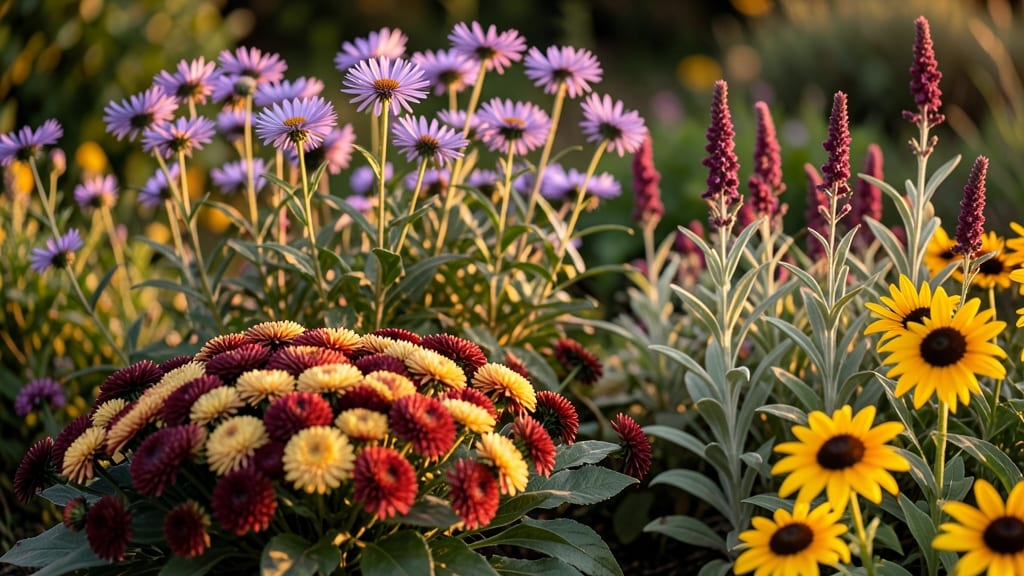
Fall flowering perennials turn your garden into a late-season masterpiece with almost no extra work. 🌻 I’ve watched my neighbors’ gardens fade to brown after frost, while mine stays vibrant—thanks to a few key perennials that thrive when others quit.
The secret isn’t complicated: choose the right plants, give them proper sunlight, and let them do the rest.
Think asters in purple haze, sedum with cotton-candy blooms, and chrysanthemums in every color—these perennials don’t just survive fall, they shine. Most need full sun to partial shade and well-drained soil, but they handle drought once established.
Plant them in early spring or fall for the best root growth, and you’ll have blooms from September through frost.
What you’ll end up with is a garden that feels alive even when temperatures drop. The colors contrast beautifully against golden foliage, and pollinators love them before winter sets in. Plus, these plants multiply over time, reducing your workload year after year.
Works in any climate zone (with a few regional tweaks) and fits into borders, containers, or wildflower meadows. Here’s how to pick the perfect mix for your space and sunlight conditions.
📚 In This Guide
- What you need
- Instructions
- Tips and common mistakes
- Wrapping up and next steps
What you need
- ● Fall-flowering perennials (choose 3–5 varieties for diversity): 1–2 Asters (e.g., 'Violet Queen' or 'Alma Potschke') – 5–10 plants
- ● 1–2 Sedum (e.g., 'Autumn Joy' or 'Matrona') – 3–5 plants
- ● 1 Goldenrod (e.g., 'Fireworks') – 3–5 plants
- ● 1 Russian Sage – 3 plants
- ● 1 Black-Eyed Susan (if extending season) – 5–7 plants
- ● Garden soil or potting mix – 1–2 bags (50 lbs each), well-draining
- ● Compost or organic fertilizer – 1–2 gallons (e.g., 5-10-10 or balanced 10-10-10)
- ● Mulch – 2–3 cubic feet (shredded bark or straw for moisture retention)
- ● Garden tools: Trowel or hand shovel
- ● Pruners (bypass for clean cuts)
- ○ Garden gloves (optional but recommended!)
- ● Watering can or hose with adjustable nozzle – 1
- ○ Stakes or plant supports (optional, for taller varieties like Asters)
- ● Sunlight assessment: Most fall perennials thrive in full sun (6+ hours/day) or partial shade (3–6 hours). Test your garden’s light conditions for 24 hours before planting!
- ● Well-draining soil: Amend heavy clay with sand or perlite if needed.
- ● Planting timeline: Start in early spring (March–April) for established roots before fall blooms.
- ● Watering schedule: 1–1.5 inches/week (adjust for drought or rain). Drip irrigation is ideal for consistency.
Step-by-Step guide to designing a low-maintenance fall perennial garden
Here's how to create a vibrant autumn display that thrives with minimal work once established.
🌿 Step 1: Select the Right Perennials for Your Climate Zone
Choose hardy fall-blooming perennials suited to your USDA zone—look for varieties that thrive in your specific conditions. I always prioritize plants with late-season bloom times, like Russian sage (Perovskia atriplicifolia), sedum (Hylotelephium), and goldenrod (Solidago). These tolerate cooler temperatures and often rebloom after summer pruning.
Check each plant's mature height and spread to ensure proper layering in your design. For example, tall varieties like Joe Pye weed (Eutrochium) should anchor the back of the border, while lower-growing asters (Symphyotrichum) can spill over edges. Group plants with similar water needs together—this prevents overwatering or drought stress in fall's fluctuating weather.
🪴 Step 2: Prepare the Planting Site for Seasonal Success
Test your soil's pH and amend with 2-3 inches of compost to improve drainage and fertility. Fall-blooming perennials often struggle in heavy, compacted soil, so I always work in a 50/50 mix of native soil and compost for the top 12 inches. Dig planting holes twice as wide as the root ball to encourage root spread.
For containers, use a high-quality potting mix blended with 20% perlite to prevent waterlogging. Place containers in spots that receive 6+ hours of sunlight daily—most fall perennials need full sun to rebloom after summer. If your site has afternoon shade, opt for shade-tolerant varieties like Japanese anemone (Anemone hupehensis) instead.
☀️ Step 3: Plant with Proper Spacing for Airflow and Light
Follow each plant's mature spread guidelines—crowding invites fungal diseases in fall's damp conditions. For example, black-eyed Susan (Rudbeckia) needs 18-24 inches apart, while coral bells (Heuchera) can sit 12 inches apart. Plant in odd-numbered groupings (3, 5, or 7) for natural-looking clusters that fill in beautifully over time.
Set plants at the same depth they were in their nursery pots—burying too deep can suffocate roots, while planting too shallow exposes stems to rot. Water deeply right after planting to settle soil around roots, then mulch with 2-3 inches of shredded bark to retain moisture and regulate soil temperature through fall's temperature swings.
💧 Step 4: Establish a Fall Watering Routine
Water newly planted perennials deeply twice weekly until established (about 6-8 weeks), then taper to once weekly if rainfall exceeds 1 inch. The key is deep watering—soak the soil to 12 inches deep to encourage root growth. You'll know you're doing it right when the soil feels damp but not soggy at that depth.
In late fall, reduce watering further as plants enter dormancy. Most perennials need only 1 inch of water monthly once temperatures drop below 50°F. Overwatering at this stage leads to root rot, which is especially problematic in containers where drainage can slow down.
✂️ Step 5: Deadhead and Prune for Next Season's Bloom
Remove spent blooms regularly to redirect energy into root development for next year's growth. For perennials like coneflower (Echinacea), cut back stems to 6 inches tall after flowering to maintain a tidy appearance. However, leave seed heads on plants like Russian sage if you want winter interest—they provide food for birds and structure in dormant gardens.
In late fall, cut back only the dead foliage of herbaceous perennials, leaving 3-4 inches of stem to protect the crown from freezing temperatures. Evergreen perennials like heuchera and lamium need no pruning—simply remove any damaged leaves. This minimal pruning ensures a clean start in spring without sacrificing winter protection.
Tips & tricks for perfect fall flowering perennials
Here's what nobody tells you about keeping your autumn garden thriving with almost no effort.
Climate Zone Intelligence: Before buying plants, check your USDA zone and select varieties that naturally thrive there. For example, Russian sage handles zones 5-9 beautifully, while sedum thrives in zones 3-10. I always verify this at local nurseries—they often carry zone-specific recommendations that save you from trial-and-error planting. This single step prevents the heartbreak of buying plants that won't survive your winter.
Soil Prep Secret: The 50/50 soil-compost mix in Step 2 isn't just about drainage—it's about creating the perfect microbial ecosystem. Mix in 1/4 cup of bone meal (optional) when planting for phosphorus boost, which encourages stronger root systems. For containers, I add 1 cup of worm castings to the potting mix for extra nutrients. Think of it as giving your plants a head start on their first year of growth.
Pruning Precision: When deadheading in Step 5, cut stems at a 45-degree angle just above a leaf node. This prevents water from pooling on the cut surface and reduces disease risk. For perennials like Joe Pye weed, I leave the lower leaves intact—they provide shade for the crown during winter. This technique keeps your plants healthy while maintaining that natural, wild beauty we love in fall gardens.
Watering Wisdom: The twice-weekly watering routine in Step 4 works best when done in the morning. This allows foliage to dry completely before evening, reducing fungal risks. I use a moisture meter to check soil depth—aim for 40-50% moisture at 12 inches deep. In containers, I add 1/2 inch of gravel at the bottom for better drainage, which prevents the waterlogging that often kills container perennials in fall.
Pro Tips for Fall Flowering Perennials
- Here's what nobody tells you about keeping your autumn garden thriving with almost no effort.
- Climate Zone Intelligence: Before buying plants, check your USDA zone and select varieties that naturally thrive there.
- Soil Prep Secret: The 50/50 soil-compost mix in Step 2 isn't just about drainage—it's about creating the perfect microbial ecosystem.
Frequently asked questions
Got questions about keeping your garden vibrant into fall?
Here are some of the most common queries—and answers—to help you choose and care for fall flowering perennials like a pro.
What are the easiest fall perennials for beginners?
Start with hardy, low-maintenance picks like Russian sage (drought-tolerant and fragrant), black-eyed Susan (bright and long-blooming), or sedum (thrives in heat and poor soil). These require minimal fuss and deliver maximum color!
When should I plant fall perennials for the best results?
For most regions, aim to plant 6-8 weeks before your first frost (late summer to early fall). This gives roots time to establish before winter. Check your USDA zone for exact timing—cool weather actually boosts blooms for many perennials!
Can I reuse last year’s fall perennials, or do I need to replace them?
Many perennials return year after year with proper care! Cut back dead foliage in late winter, divide overcrowded clumps every 2-3 years, and fertilize lightly in early spring. If blooms fade dramatically, it may be time to refresh with new plants.
How do I prevent pests from ruining my fall flowers?
Stay proactive: Remove spent blooms to deter slugs, use neem oil for aphids, and opt for pest-resistant varieties like coneflower or bee balm. Mulch around plants to protect roots and deter weeds—less work for you, fewer snacks for pests!
Will fall perennials survive winter in colder climates?
Most hardy perennials (zones 3-7) handle winter just fine with a 3-inch layer of mulch after the ground freezes. Exceptions? Tender varieties like salvia may need winter protection. Always check plant tags for cold tolerance ratings!
Wrapping up and next steps
Fall flowering perennials are the secret weapon for keeping your garden vibrant with zero extra work! These hardy plants thrive in cooler weather, offering stunning blooms while requiring minimal care—just plant them once and enjoy years of effortless beauty. 🌿✨
Ready to transform your outdoor space? Start by choosing a few perennials that match your climate and sunlight, then dive into planting. Your garden’s fall masterpiece awaits—go ahead and make it happen!