
Advice
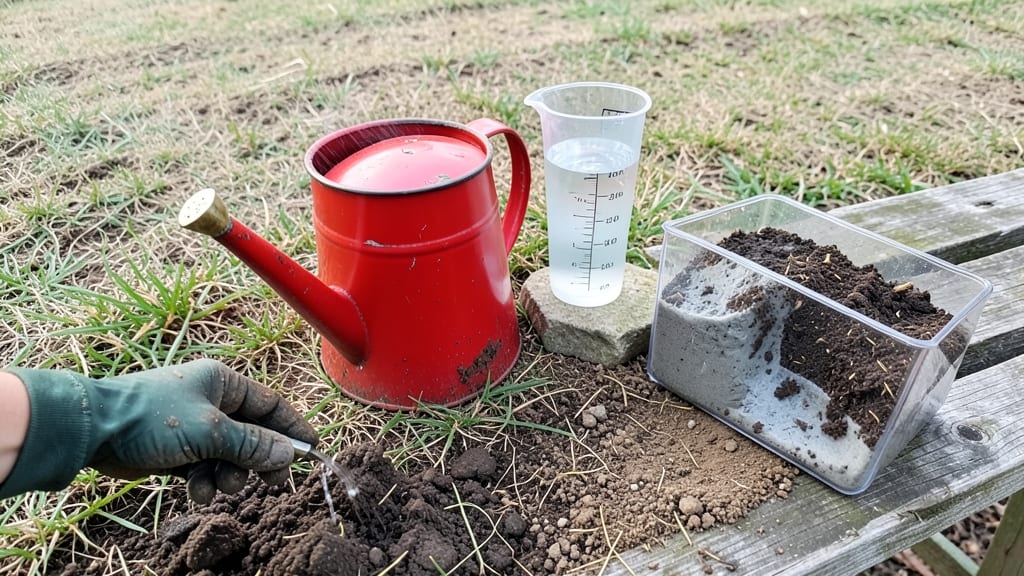
Grass seed can absolutely be overwatered, which smothers seedlings, strips away essential nutrients, and invites fungal infections like damping-off. Maintain even moisture—never soggy—by watering in light sessions 2-3 times per day for the first week, then tapering off as roots take hold.
Overwatering creates a suffocating environment where seeds can't access the oxygen they need to sprout. 💧 The excess moisture also leaches away vital nutrients from the soil, leaving young plants malnourished. I've seen entire seedbeds fail because of this—even after careful planting.
What's worse, the damp conditions create the perfect breeding ground for fungal diseases that can wipe out your lawn before it even starts growing.
To recover from overwatering, start by adjusting your watering schedule to let the soil dry out slightly between sessions. If your lawn has poor drainage, consider amending the soil with compost or sand to improve aeration.
For future plantings, opt for grass varieties known for drought tolerance, like tall fescue or buffalo grass, which handle moisture fluctuations better than delicate varieties.
💡 In This Article
- Why Overwatering Grass Seed Kills New Growth
- How to Fix Overwatered Grass Seed Without Losing Your Lawn
Why overwatering grass seed kills new growth
When soil stays saturated for too long, it creates an oxygen-deprived zone that strangles young grass roots. Seeds need oxygen to germinate—without it, they suffocate before sprouting. Think of it like trying to breathe through a waterlogged sponge: the roots simply can't function.
This is why even well-intentioned gardeners with sprinklers running too long end up with bare patches where nothing grows.
The real damage happens at the microscopic level. Excess moisture triggers anaerobic conditions in the soil, where harmful bacteria thrive. These bacteria produce toxins that rot seed coats and young root hairs.
Meanwhile, fungal pathogens like Pythium and Rhizoctonia (the culprits behind damping-off) spread rapidly in wet soil, creating a perfect storm for seedling death. I've seen entire trays of grass seedlings collapse within days when kept too damp—what looked healthy one morning turned to mush by afternoon.
Nutrient loss is another silent killer. Water washes away soluble nitrogen, phosphorus, and potassium—the very elements young plants need to establish. A single heavy watering can flush out 20-30% of available nutrients from the top inch of soil where seeds germinate.
This is why overwatered seedbeds often show stunted growth even if some seeds sprout: the plants are starving before they can develop proper root systems.
Even if seedlings do emerge, their structural integrity weakens. The cell walls of young grass blades become waterlogged and prone to breaking under their own weight. You'll notice them lying flat or developing a gray, mushy base—classic signs of overwatering stress.
The worst part? These plants often can't recover, leaving your lawn vulnerable to weeds that thrive in the disturbed, overwatered conditions.
Timing matters most during the first 7-10 days after planting when seeds are most vulnerable. At this stage, grass needs consistent moisture (like a wrung-out sponge) but never standing water. The key is to water when the top ½ inch of soil feels dry—not when it's already wet.
Using a moisture meter or simply sticking your finger in the soil gives you the most accurate reading.
Consider this comparison: A properly watered seedbed maintains 15-25% soil moisture by volume, while overwatered soil can reach 40% or higher. That extra moisture doesn't help—it creates the perfect conditions for disease and root suffocation. The solution? Light, frequent watering that keeps the soil surface damp without creating puddles.