
Advice
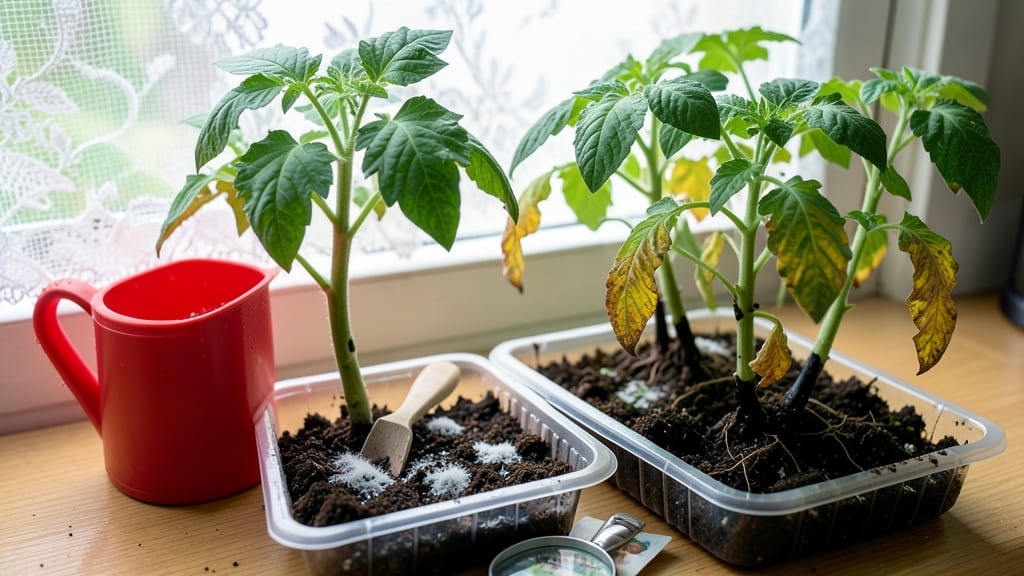
Overwatered seedlings can often recover if you act quickly, but prolonged saturation will cause root rot or kill them. Remove them from wet soil, prune any mushy roots, repot in fresh, well-draining mix, and cut back on watering immediately. Keep an eye out for wilting or yellowing leaves as warning signs.
Seedlings are surprisingly resilient when given the right conditions. 🌱 The key is catching the problem early—roots need oxygen to thrive, and too much moisture suffocates them, leading to fungal infections or rot.
I’ve seen seedlings bounce back within days when repotted in fresh, sterile soil and given proper drainage, but if the damage spreads to the stem or leaves, recovery becomes much harder. The soil mix matters too: adding perlite or vermiculite improves aeration and prevents future waterlogging.
Don’t forget to adjust your watering routine after recovery. Many gardeners make the mistake of returning to their old habits, which can undo all the progress.
Instead, stick to the finger test: stick your finger an inch into the soil—if it’s damp but not soggy, wait another day before watering. This simple habit can save your seedlings from a repeat performance.
💡 In This Article
- How Overwatering Damages Seedling Roots
- Step-by-Step Guide to Reviving Overwatered Seedlings
How overwatering damages seedling roots
When seedlings sit in soggy soil for too long, their roots suffocate because water displaces the air pockets essential for respiration. Healthy roots need oxygen to absorb nutrients and grow—without it, they start turning brown and mushy within 24-48 hours.
This is especially critical for young seedlings, whose delicate root systems can't handle prolonged moisture like mature plants. The damage isn't just cosmetic: suffocated roots can't anchor the plant or transport water upward, leading to wilting even when the soil is wet.
Fungal infections like Pythium or Phytophthora thrive in waterlogged conditions, attacking roots and stems within 3-5 days. You'll notice a foul smell (like rotting vegetables) and black, slimy roots—these are clear signs of infection. 🌱 The problem worsens in warm environments (above 75°F) where fungi multiply faster.
Even without visible rot, excess moisture stresses seedlings by preventing beneficial soil bacteria from breaking down organic matter, which deprives roots of essential nutrients like nitrogen and phosphorus.
Root suffocation also triggers a cascade of visible symptoms: yellowing leaves (chlorosis) from nutrient starvation, stunted growth as energy shifts to survival mode, and leaves that droop despite damp soil. The irony?
Many gardeners panic and water more when they see wilting, thinking the plant is thirsty—when in reality, it's drowning. This is why the "finger test" (checking soil moisture before watering) becomes your best friend during seedling stage.
Soil aeration plays a crucial role here. Compacted or heavy soils (like clay) hold water like a sponge, while loose, organic mixes allow excess moisture to drain. Adding 20-30% perlite or vermiculite to your seedling mix creates air channels, preventing future waterlogging.
Think of it like giving roots a breath of fresh air—literally. Even a small improvement in drainage can mean the difference between recovery and permanent damage.
What most gardeners don't realize is how quickly roots can recover when given proper conditions. Within 3-7 days of repotting in fresh, well-draining soil, new white root hairs often begin growing—these are nature's way of repairing the damage.
The key is acting before the rot spreads to the stem or leaves, where recovery becomes nearly impossible. This is why early intervention is everything in seedling care.