
Watering
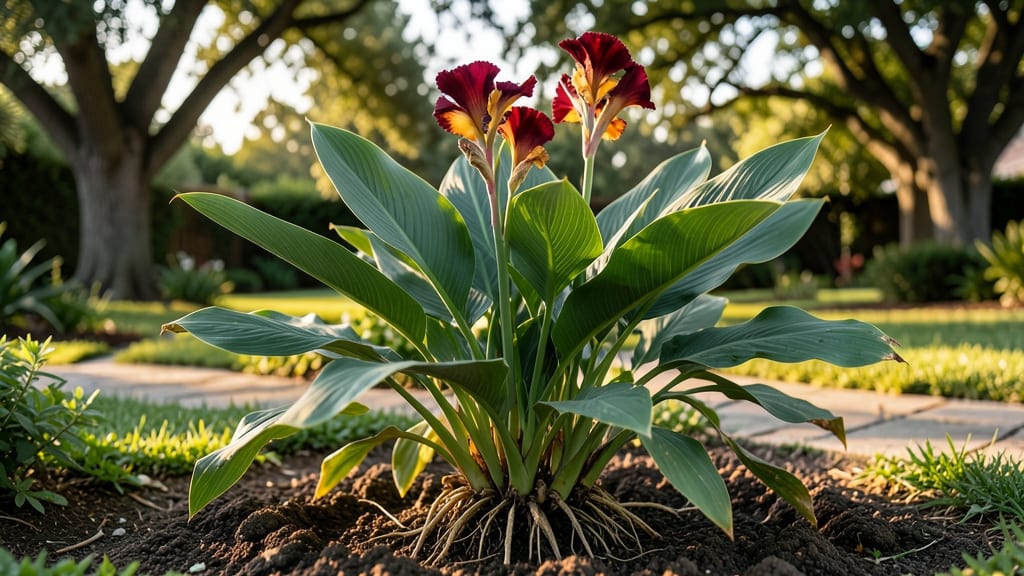
Growing cannas in water requires large, shallow containers with clean water and proper rhizome placement, combined with bright indirect light and weekly water changes to prevent bacterial growth. This hydroponic approach replicates their swampy origins while reducing soil-borne disease risks.
Cannas thrive in water because their rhizomes naturally adapt to moist environments, much like their swamp-dwelling relatives. 🌿 The key is maintaining oxygenated water—stagnant conditions lead to rot—while providing 6+ hours of bright, indirect sunlight daily.
I’ve found that adding a small air stone or changing water every 7-10 days keeps roots healthy. This method isn’t just about aesthetics; it also eliminates soil-borne pests, making it ideal for urban gardeners or those with limited space.
For best results, use dechlorinated water in containers at least 12 inches wide, with rhizomes partially submerged. A balanced liquid fertilizer (diluted to half strength) every 4-6 weeks replaces nutrients lost in water-only systems. Watch for yellowing leaves—this often signals nutrient deficiency or insufficient light.
💡 In This Article
- How Water-Grown Cannas Adapt to Hydroponic Conditions
- Step-by-Step Guide to Thriving Water Cannas
How water-grown cannas adapt to hydroponic conditions
Cannas naturally thrive in water because their thick, fleshy rhizomes evolved to store nutrients and water—perfect for their swampy native habitats. In hydroponic setups, these rhizomes develop specialized root structures called aerenchyma, which create air channels to prevent suffocation.
Without soil, roots must rely entirely on dissolved oxygen in water, so stagnant conditions trigger rot within 3-5 days. 🌊 The solution? Gentle water movement from a small air pump or weekly changes to maintain oxygen levels above 6 mg/L.
Nutrient absorption shifts dramatically in water-only systems. Soil-bound cannas absorb minerals through mycorrhizal fungi, but hydroponic cannas depend on direct water uptake. This means you’ll need to supplement with a balanced liquid fertilizer (like 10-10-10) diluted to half-strength every 4-6 weeks.
Without this, leaves turn yellow from iron or magnesium deficiencies—common in water-only setups where nutrients deplete faster than in soil.
Light becomes even more critical in water culture. Cannas need 6+ hours of bright, indirect sunlight daily to photosynthesize efficiently, but direct midday sun can scorch leaves. In low-light conditions, stems grow leggy and weak, while insufficient nutrients cause stunted growth.
I’ve noticed that water-grown cannas develop slightly larger leaves than soil-grown ones—likely due to reduced root competition for water and nutrients. 💛
Temperature plays a subtle but vital role. Cannas prefer 70-85°F water, mimicking their tropical origins. Cooler water (60°F) slows growth, while temperatures above 90°F accelerate bacterial growth.
This is why urban growers in hot climates need to change water more frequently—every 5-7 days—to prevent algae and bacterial blooms that clog root pores.
Rhizome placement is the secret to stability. Unlike soil, water offers no structural support, so rhizomes must be partially submerged (1/3 of their length) in a weighted container.
I’ve found that using 12-inch-wide ceramic or fiberglass planters provides enough surface area for roots to anchor while allowing easy access for maintenance. The wider the container, the more stable the plant—narrow vessels cause cannas to tip over as they grow.