
Orchid Care
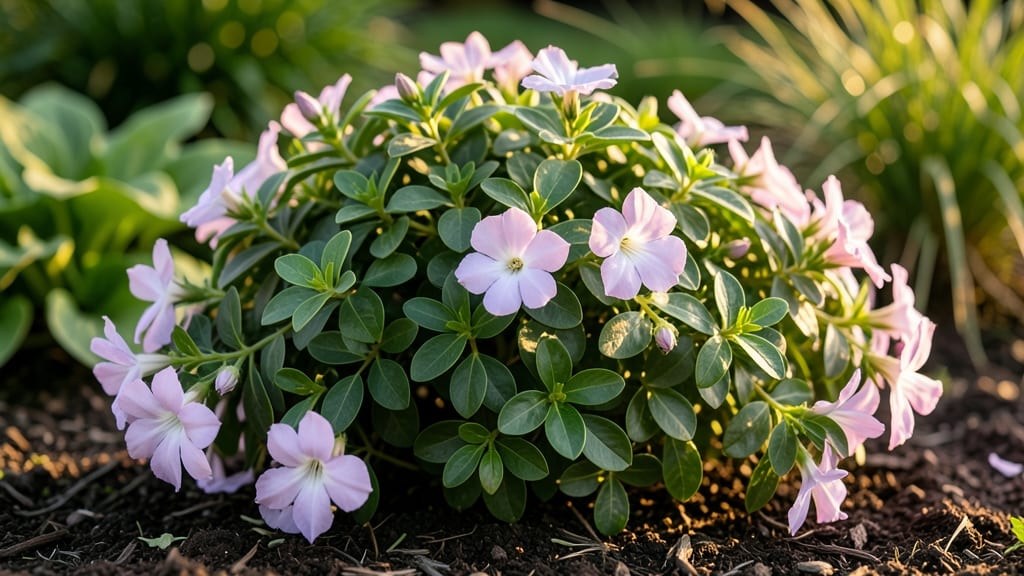
Determining whether cora vinca is annual or perennial depends on your climate: it thrives as a true perennial in warm zones but often acts as an annual in colder regions, dying back to the ground each winter before regrowing from its roots in spring.
Cora vinca's behavior comes down to one key factor: frost. 🌱 In USDA zones 8 and warmer, it stays green year-round, growing vigorously as a perennial. But when temperatures drop below 20°F, the above-ground parts freeze and brown—what looks like death is actually just dormancy.
The roots survive underground, ready to sprout new growth once temperatures rise again in spring.
This dieback isn't failure—it's a survival strategy. Many gardeners in colder climates treat it like a semi-perennial, protecting the roots with thick mulch or winter blankets. With proper care, the same plant can return for 5-10 years, though its vigor may decline over time without renewal.
The secret is giving it the right conditions to recover each season.
💡 In This Article
- Why Cora Vinca Dies Back Annually in Cold Climates
- How to Extend Cora Vinca’s Lifespan as a Perennial
Why cora vinca dies back annually in cold climates
Cora vinca's annual dieback in colder regions stems from its tropical origins—this plant evolved in warm climates where temperatures rarely drop below 50°F. When exposed to frost (32°F or lower), the plant's above-ground tissues freeze and rupture due to ice crystal formation within cells.
These crystals puncture cell walls, causing the leaves and stems to turn brown and crispy—a process called topkill. The good news? This is rarely fatal to the plant itself.
The real magic happens underground. Cora vinca stores energy in its fibrous root system, which can survive temperatures down to 10-15°F if protected. Think of it like a hibernating bear: the visible parts "sleep" while the roots remain active, maintaining just enough metabolic function to stay alive.
In USDA zones 7 and colder, this survival becomes a delicate balance—roots may survive but often weaken without proper winter protection, leading to slower spring regrowth.
What makes this dieback different from true annuals is the root system's resilience. Unlike true annuals that complete their entire life cycle in one season, cora vinca's roots can persist for years. I've seen plants return after 5 years of proper winter care, though their vigor may diminish without renewal.
The key difference lies in how the plant allocates resources—perennials prioritize root survival, while annuals invest everything in seed production.
Temperature thresholds are critical here. Research shows that cora vinca begins suffering damage when nighttime temperatures stay below 40°F for extended periods. The plant's natural defense mechanism triggers at 35°F, causing it to shut down photosynthesis and redirect energy to root storage.
This explains why some gardeners in zone 7 report partial dieback even with winter protection—the roots may survive, but the plant's energy reserves get depleted faster than in warmer zones.
Light plays a surprising role too. In colder climates, shorter daylight hours reduce photosynthesis, forcing the plant to rely more on stored energy. This is why you'll often see cora vinca in warmer zones staying green year-round—they can photosynthesize continuously, while their northern cousins must live off reserves.
This biological adaptation explains why some gardeners swear by late-summer planting: giving the roots more time to establish before winter increases their survival odds.
Here's what's actually happening at the cellular level: frost causes ice crystals to form in the plant's vascular system, blocking water transport. The plant responds by sealing off damaged areas—this is why you might see blackened stems that snap cleanly when bent.
Meanwhile, the roots continue producing new growth hormones, waiting for warmer temperatures to signal the above-ground revival. 🌱