
Light Requirements
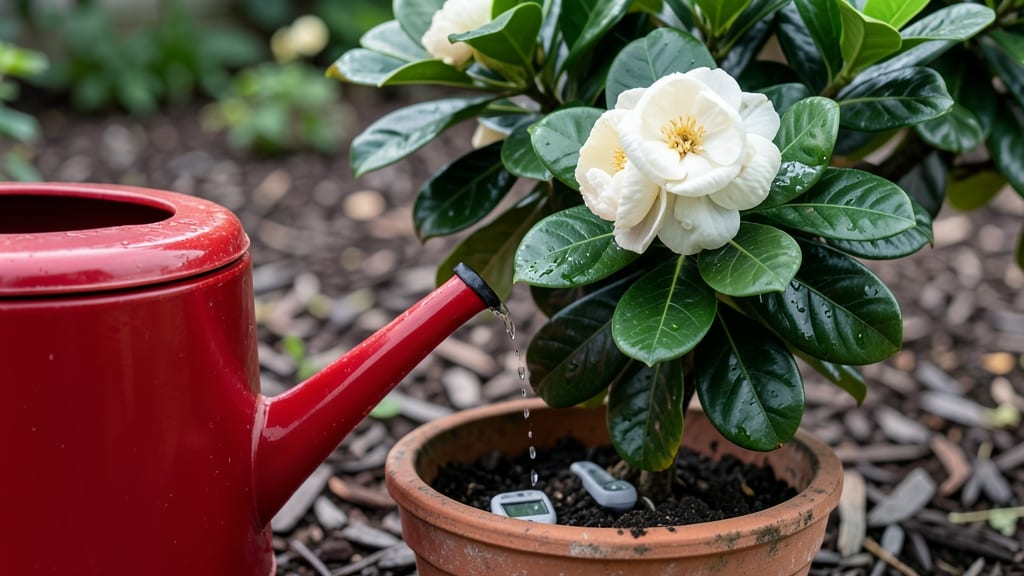
Gardenias need consistent moisture to thrive, but the answer to "do gardenias need a lot of water" isn't just yes or no—it's about finding the perfect balance.
Picture this: your fragrant 🌸 gardenia wilts overnight, not from thirst, but from soggy roots. That’s the tightrope you walk—too little water, and the leaves crisp; too much, and you’re staring at root rot.
The key? Watering deeply every 2-3 days in spring and summer, then tapering off as temperatures drop.
Most gardeners overdo it, thinking these tropical beauties crave constant soaking. But gardenias hate "wet feet"—their roots need air almost as much as they need hydration.
I’ll show you how to check soil moisture, adjust for containers vs. in-ground planting, and spot the early warning signs before your plant turns into a sad, mushy mess.
By the end, you’ll have a science-backed schedule that keeps your gardenia blooming like a pro—no guesswork, no root rot, just lush, fragrant perfection all season long.


How much water do gardenias really need? The science behind their hydration needs
Gardenias thrive in humid, moist environments, but their water needs are often misunderstood. Unlike drought-tolerant plants, they demand consistent moisture—yet soggy soil will suffocate their roots. The key lies in balancing hydration with proper drainage, especially in their native tropical climates.
Even a 1-inch layer of standing water can trigger root rot within days, so "damp" and "soggy" are worlds apart for these finicky beauties.
Your gardenia’s water needs shift with soil type, climate, and maturity. Sandy soil drains quickly, while clay holds moisture too long. In USDA Zones 7-11, humidity levels also play a role—high humidity means less frequent watering, while dry air demands more attention.
Even young plants and mature shrubs have different thresholds, making a one-size-fits-all approach risky.
| Factor | Requirement | Key Notes |
|---|---|---|
| Soil Type | Well-draining, acidic (pH 5.0-6.0) | Sandy soil: water every 1-2 days; clay soil: extend to 3-4 days |
| Climate Zone | USDA Zones 7-11 | Zone 11: daily watering in summer; Zone 7: reduce to 2-3x/week |
| Plant Maturity | Young: daily; Mature: every 2-3 days | Mature roots extend deeper; adjust watering depth to 12+ inches |
| Humidity | 50%+ ideal | Below 40%? Increase watering by 20% and use pebble trays |
| Season | Spring/Summer: high; Fall/Winter: low | Winter dormancy: reduce to bi-weekly; spring flush: resume daily |
Gardenias hate dry soil, but their roots need oxygen too. The root rot risk zone kicks in when soil stays wet for more than 48 hours. To test moisture, stick your finger 2 inches deep—if dry, water thoroughly.
For potted gardenias, lift the container: if it feels light, it’s time to hydrate. Mulching with pine bark helps retain moisture while improving drainage, a win-win for these tropical divas.
Seasonality drastically alters your watering routine. In spring and summer, gardenias drink heavily to fuel blooms, often needing daily watering in extreme heat. But by fall, their needs drop as growth slows.
Winter is critical: overwatering can drown dormant roots, while underwatering stresses the plant. Aim for bi-weekly watering unless your region freezes—then pause entirely until spring.
Container-grown gardenias dry out faster than in-ground plants. A 5-gallon pot may need watering every 1-2 days, while a mature shrub in the ground can stretch to 3-5 days. The rule of thumb? Water until it drains from the bottom, then wait until the top 2 inches feel dry.
Ignore this, and you’ll end up with yellowing leaves or worse—root rot. Pro tip: Use a moisture meter for precision, especially in unpredictable climates.
Humidity is the silent watering regulator. In high-humidity zones like Florida or Hawaii, gardenias may only need watering every 3-4 days. But in dry climates like Arizona, daily watering in summer is non-negotiable.
A hygrometer (humidity monitor) helps adjust your schedule. If your gardenia’s leaves curl or droop, it’s often a cry for more humidity—not more water.
Myth-busting time: Gardenias don’t need "a lot of water" if you interpret that as flooding. The goal is consistent dampness, not soggy soil. Think of it like a sponge: squeeze it until water runs out, then wait until it’s 80% dry before soaking again.
Overwatering causes leaf yellowing and drop, while underwatering leads to crispy edges and wilting. Strike the balance, and your gardenia will reward you with fragrant blooms all season.
For gardeners in USDA Zone 7, where winters dip below freezing, watering becomes a seasonal game. Before the first frost, reduce watering to weekly to prepare roots for dormancy.
In spring, resume watering as buds form—this is when they’re most vulnerable to dehydration. A drip irrigation system set to shallow cycles keeps moisture even without daily checks.
Remember: Gardenias are not desert plants. They crave the lush conditions of their Southeast Asian homeland. If your gardenia’s leaves turn brown at the edges, it’s thirsty. If they yellow and feel mushy, you’ve overdone it.
The sweet spot? Damp but never soggy soil, paired with morning watering to prevent fungal growth. With this science-backed approach, your gardenia will thrive—and fill your garden with that signature intoxicating scent.
The exact weekly watering schedule to prevent root rot (with adjustments for climate Zones)
Gardenias thrive with consistent moisture, but their roots are surprisingly delicate. In USDA Zones 7-11, I’ve found the sweet spot lies between damp soil and waterlogged conditions. The key? Deep watering that mimics natural rainfall patterns—especially critical in hot, humid climates where evaporation speeds up.
Let’s break down the exact schedule by zone, including how to adjust for containers vs. in-ground planting.
First, check your gardenia’s soil moisture by sticking your finger 2 inches deep. If it feels dry, it’s time to water. In Zone 7 (cooler climates), aim for 2-3 deep waterings per week (1-2 gallons each).
In Zones 9-11 (hotter regions), you may need daily waterings during peak summer months. The goal? Keep the root zone evenly moist—never soggy.
⚠️ DANGER ZONE: Common Mistakes That Kill Gardenias ⚠️
⚠️ Overwatering in Containers
Potted gardenias dry out 3x faster than in-ground plants. If your container lacks drainage holes, you’re inviting root rot. Fix it: Water only when the top 1 inch of soil is dry, and use terracotta pots to prevent moisture buildup.
⚠️ Shallow Watering
A light sprinkle at the surface encourages roots to stay shallow. Instead, water until you see 1-2 gallons drain out the bottom (for in-ground plants). Use a soaker hose or drip irrigation to deliver water slowly and deeply.
⚠️ Ignoring Seasonal Adjustments
In winter (Zones 7-8), reduce watering to every 10-14 days. In summer (Zones 9-11), mulch with 2-3 inches of pine bark to retain moisture and protect roots from heat stress.
For in-ground gardenias, focus on deep, infrequent watering. Use your finger to test moisture at the root zone (4-6 inches deep). If it’s dry, water until the soil is saturated 12 inches down.
In containers, water more frequently—every 1-2 days in summer—but never let the plant sit in standing water. Pro tip: Group containers together to create a microclimate that retains humidity.
Adjust your schedule based on weather conditions. After a heavy rain, skip watering for 3-5 days to avoid over-saturating the soil. In high-humidity zones (like Florida or Louisiana), reduce watering slightly to prevent fungal diseases.
Always water in the early morning to allow foliage to dry before nightfall, which cuts down on pest and disease risks.
Finally, mulch is non-negotiable. Apply a 2-3 inch layer of organic mulch (like pine straw or shredded bark) around the base of your gardenia. This locks in moisture, regulates soil temperature, and suppresses weeds.
Just keep mulch 2 inches away from the trunk to prevent rot. With this schedule, your gardenia will reward you with glossy leaves and fragrant blooms all season long.
Remember: Gardenias need moisture, not drowning. Stick to this schedule, and you’ll avoid the #1 killer of gardenias—root rot. Happy watering!