
Pests
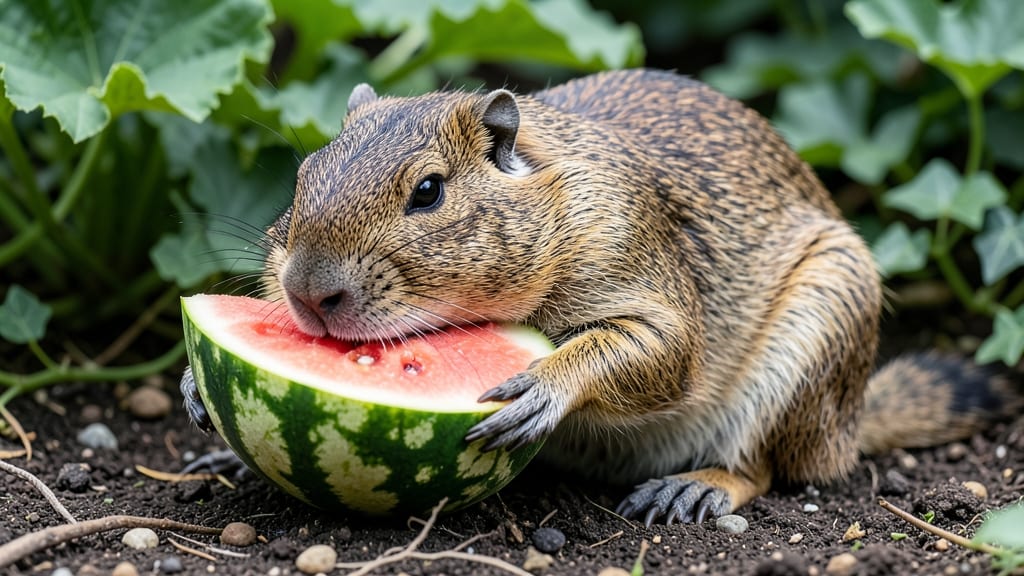
Groundhogs eat watermelon, especially ripe fruit with soft flesh, though they prefer seeds and rinds over the juicy pulp. Their strong teeth easily crack open watermelon rinds to access the high-water-content flesh and seeds, posing risks to gardens and crops.
Groundhogs are particularly drawn to watermelon because of its high moisture content and easy-to-access seeds. 🔥 Their natural foraging instincts make them opportunistic eaters, especially in late summer when watermelons are ripe and vulnerable.
Unlike humans, they don't just eat the sweet flesh—they go straight for the nutrient-rich seeds and fibrous rinds, which provide essential carbohydrates and fats for their diet. This behavior explains why gardeners often find half-eaten watermelons with the outer layers chewed through but the inner fruit left mostly untouched.
What makes this especially problematic is their ability to detect watermelons from a distance using scent trails. Once they locate a patch, they'll return repeatedly, making prevention a key strategy for gardeners.
The combination of their strong teeth and persistent foraging habits turns watermelon patches into prime targets during growing season.
💡 In This Article
- Groundhog Diet: Why Watermelon Is a Target
- Protecting Your Garden: Watermelon Groundhog Deterrents
Groundhog diet: why watermelon is a target
Groundhogs are primarily herbivores with a diet that includes fruits, vegetables, and plant matter, but their preference for watermelon stems from its high moisture content—about 92% of a ripe watermelon's weight.
This water-rich composition provides essential hydration, especially during Pennsylvania's hot summer months when groundhogs need to maintain their body temperature.
Their strong, chisel-like incisors (capable of exerting 1,500 pounds per square inch of pressure) make short work of watermelon rinds, which are tougher than the flesh but packed with 10-15% carbohydrates and trace fats.
The real draw, however, is the seeds. A single watermelon contains 200-800 seeds, depending on the variety, and these seeds are a powerhouse of nutrients for groundhogs.
They're rich in healthy fats (about 45% fat content by weight) and proteins, making them an energy-dense snack that groundhogs can store in their cheek pouches for later consumption.
The fibrous rind also provides roughage, which aids in digestion—something their diet often lacks when foraging in cultivated gardens where soft, processed foods aren't available. 🌱
Groundhogs exhibit what scientists call "food caching behavior," where they'll stash multiple watermelon seeds in hidden burrows to eat later. This instinctual behavior explains why a single groundhog can decimate an entire watermelon patch in just 24 hours.
Their foraging patterns are also influenced by the "edge effect"—they prefer areas where different plant types meet, like the perimeter of a watermelon field where the scent trails are strongest. This makes home gardens particularly vulnerable, as the transition from lawn to cultivated plants creates an irresistible foraging zone.
Another critical factor is the watermelon's natural sugars, which groundhogs can detect through scent trails up to 50 feet away. Unlike humans, they don't rely on visual cues but instead follow chemical signals left by previous foragers.
Once they locate a watermelon, their strong jaws can crack through the rind in under 30 seconds, leaving behind a mess of chewed rind and scattered seeds—clear evidence of their visit.
This destructive feeding pattern isn't just about nutrition; it's also about preparing for hibernation, when they'll need stored energy reserves.
Consider this comparison: a groundhog's daily caloric needs range from 1,200-1,500 calories, depending on activity level. A single 10-pound watermelon contains roughly 450 calories and 20 grams of protein—about 15-20% of their daily nutritional requirements in one sitting.
That's why they'll return night after night, especially when other food sources are scarce. Their preference for watermelon isn't random; it's a strategic choice based on availability, nutritional value, and ease of access.
What most gardeners don't realize is that groundhogs also target watermelons as a secondary water source. During dry spells, they'll chew into watermelons not just for food but to lap up the juice, which can accelerate rot and make the fruit unusable.
This dual-purpose feeding behavior turns watermelon patches into high-value targets that require proactive protection strategies. 💫