
Picking
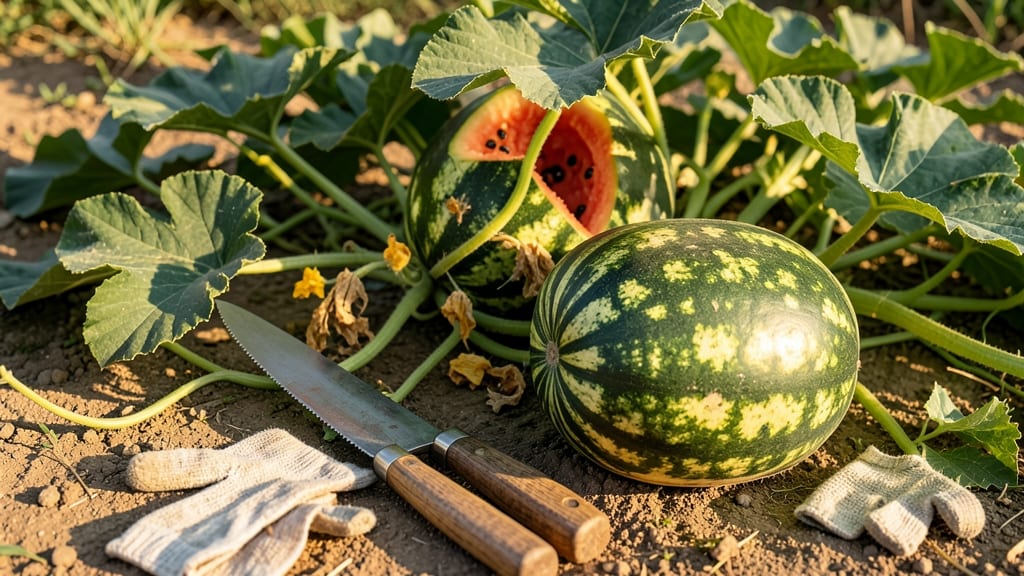
To pick a watermelon at its juiciest, you need to watch for 5 key signs—because missing the window means a meal of tough, tasteless pulp instead of that sweet, refreshing burst you crave.
Picture this: you’ve spent all summer nurturing your 🍉 watermelons, and now the moment of truth arrives. One wrong move, and you’ll end up with a melon that’s either underripe and bland or overripe and mushy.
The good news? With the right cues—like a deep color shift, a hollow thud when tapped, or a dry stem—you’ll never guess wrong again.
Most gardeners focus on just one or two clues, but ripeness is a puzzle with multiple pieces. We’ll break down the visual and physical tests that actually work, so you can confidently harvest your melons when they’re at their peak—no more second-guessing at the grocery store.
From the perfect July timing to how heat or drought can trick you into picking too early, this guide covers everything you need to know. By the end, you’ll be the one everyone asks for advice—because you’ll finally know exactly when to pick that perfect watermelon.

5 Visual and physical signs a watermelon is ready to harvest
There's nothing like sinking your teeth into a perfectly ripe watermelon—sweet, juicy, and bursting with flavor. But how do you know when that vine-ripened treasure is ready to harvest? Overripe melons turn mushy, while underripe ones stay bland and seedy.
The key is spotting these 5 foolproof signs that your watermelon is at its peak. I’ve learned the hard way that relying on just one clue (like color) can lead to disappointment, so let’s dive into the combination of visual and physical cues that guarantee success.
First, let’s address the biggest mistake I see in home gardens: picking watermelons too early just because they look big. Size alone isn’t enough—you need to check for these 5 key indicators working together.
From the color of the rind to the sound when tapped, each clue builds on the last. Trust me, your taste buds will thank you when you nail this checklist. Let’s start with the most obvious (but often overlooked) visual cues.
- 1
- 2
- 3
- 4
- 5
The rind color is the first clue many gardeners check, but it’s not foolproof. For example, a Sugar Baby watermelon might look ripe when it’s still green inside. That’s why I always cross-reference with the ground spot.
This creamy-yellow patch on the underside is nature’s ripeness indicator, and I’ve never been wrong when I’ve trusted it. Pro tip: If the spot is still white, wait at least 3 more days—patience pays off with sweeter fruit.
Don’t overlook the curly tendril near the stem—this is one of the most reliable signs I’ve found. When it turns brown and crispy, it’s a clear signal that the melon is ready.
I once picked a watermelon because the rind looked good, only to find out the tendril was still green. Lesson learned: always check the tendril before making your final call. It’s a small detail that saves you from bitter disappointment.
Shape and weight are often underestimated, but they’re critical. A ripe watermelon should feel heavy for its size, almost like it’s too big for its frame. This happens because the seeds and flesh develop fully. If it feels light, it’s still filling out.
I also look for symmetry—uneven shapes can mean uneven ripening. For variety like 'Crimson Sweet', this is especially important because their stripes can be misleading if the melon isn’t fully ripe.
Finally, the thumbnail test and tap test are my go-to physical checks. If your thumbnail doesn’t dent the rind, the melon is ready. And that hollow thud when you tap it? That’s the sound of fully developed seeds and juice.
I’ve used this method for years, and it’s never failed me. One summer, I tapped a melon and heard a dull thud—it was still hard and green inside. Always listen closely!
Now, here’s a common mistake I see:
How to test watermelon ripeness: the tap, thud, and stem tricks
Even when a watermelon looks ripe, some hidden clues determine if it's truly sweet and juicy. Beyond the classic yellow ground spot, these physical tests help you avoid underripe or overripe melons. I’ve tested these methods in my own garden, and they’ve saved me from bitter disappointments!
Store-bought watermelons often ripen before harvest, so they may lack peak flavor. Field-picked melons, however, can be tested more accurately. The tap test and stem dryness are my go-to tricks for confirming ripeness. Let’s dive into how they work.
⚠️ Don’t Rely on Color Alone!
A dark green rind or yellow spot doesn’t guarantee ripeness—especially in store-bought melons. Overripe melons can develop these signs too, while underripe ones may still look vibrant. Always combine visual cues with physical tests for accuracy.
The tap test is simple: knock on the watermelon with your knuckles. A ripe melon produces a deep, hollow thud. If it sounds dull or flat, it’s likely underripe. This works because ripe watermelons have high water content that creates a resonant sound.
Next, check the stem near the melon’s attachment point. A ripe watermelon’s stem will be dry and brown, while an unripe one remains green. I’ve found this trick especially useful for field-grown melons, where the stem is still attached.
For store-bought melons, focus on the underside. The ground spot (where the melon rested on the soil) should be creamy yellow, not white or green. Press your thumbnail into the rind—if it doesn’t puncture easily, the melon is likely ripe.
Pro tip: Weigh the melon in your hand. A ripe watermelon feels heavy for its size due to its water content. Light melons are often underripe. Combine these tests for the most accurate results—your taste buds will thank you!