
Light Requirements
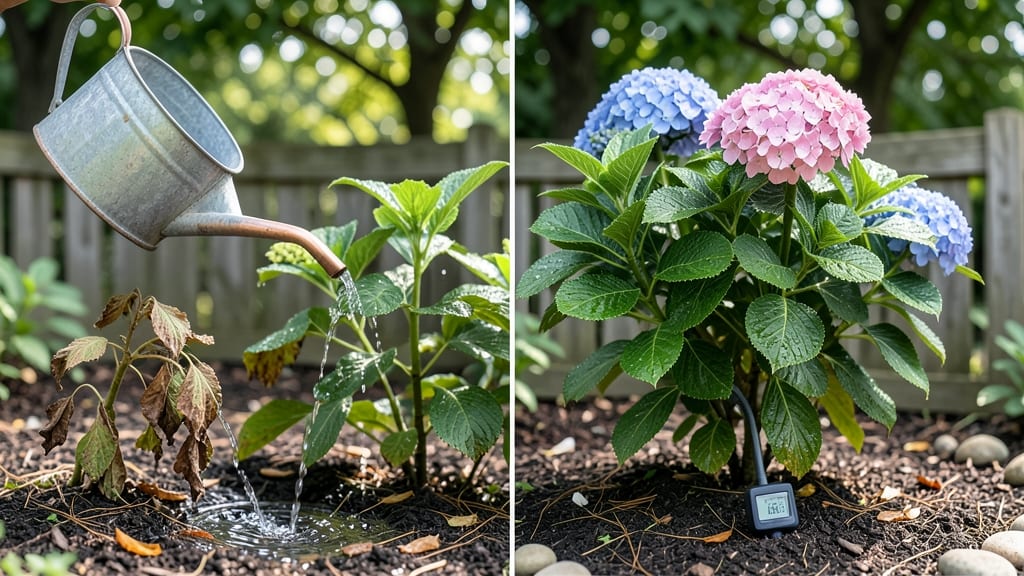
Hydrangeas don’t need watering every day—this common mistake actually stunts their growth by drowning delicate roots.
Picture this: your 🌸 hydrangeas look lush one morning, then wilt by afternoon despite soggy soil. That’s not thirst—it’s overwatering, and it’s killing your plants. The key is balance: deep, infrequent watering that encourages strong roots rather than daily sips that invite rot.
Climate, soil type, and even your hydrangea’s age change the equation. A young plant in sandy soil might need water every 2-3 days, while a mature shrub in clay stays happy with weekly deep soaks.
I’ll break down the exact schedule for your zone, plus how to spot when you’re watering too much—because even hydrangeas can drink themselves to death.
By the end, you’ll know not just how often to water, but how deep and when to do it—so your blooms stay vibrant without the guesswork. Let’s fix that soggy soil problem for good.


How often to water hydrangeas: the ideal schedule by season
Hydrangeas don’t need water every day—this is one of the most common mistakes gardeners make. While they love moisture, their roots can’t handle soggy soil. The key is deep, infrequent watering that encourages strong root growth. In my zone 6a garden, I’ve learned that adjusting watering based on the season and soil type is everything. Let’s break down the science so you can keep your hydrangeas thriving without overdoing it.
Your hydrangea’s water needs shift dramatically with the seasons. In spring and summer, they crave consistent moisture to fuel blooming, but in fall and winter, they barely need a sip.
Even the soil type changes the game—clay holds moisture longer than sandy soil, meaning you’ll water less frequently in clay. Let’s dive into the seasonal schedule that’s saved my plants from root rot while keeping their blooms vibrant.
🌸 Seasonal Watering Calendar
| Season | Watering Frequency | Soil Type Adjustments | Key Tips |
|---|---|---|---|
| Spring (April-May) | Every 2-3 days | Clay: Every 4 days Sandy: Every 2 days |
Water deeply in morning to prevent fungal growth |
| Summer (June-August) | Daily to every 2 days | Clay: Every 2 days Sandy: Daily |
Mulch heavily to retain moisture; avoid wetting leaves |
| Fall (September-October) | Every 3-4 days | Clay: Every 5 days Sandy: Every 3 days |
Reduce watering as growth slows; let soil dry slightly |
| Winter (November-March) | Every 7-10 days | Clay: Every 10 days Sandy: Every 7 days |
Water only if soil is bone-dry; protect from frost |
In spring, hydrangeas wake up hungry after winter dormancy. This is when they need the most consistent watering to support new growth and bud formation. I’ve found that watering every 2-3 days in the morning gives roots time to absorb moisture before evening evaporation.
For sandy soil, which drains quickly, you might need to water daily, while clay soil can go 4 days between waterings. Always check the top 2 inches of soil—if it’s dry, it’s time to water.
Summer brings the biggest challenge: heat stress and rapid moisture loss. During peak heat (July-August), I water my hydrangeas daily in sandy soil and every other day in clay. The trick is deep watering—aim for 1-2 inches of moisture per session.
I use a soaker hose to deliver water directly to the roots without wetting the foliage, which helps prevent powdery mildew. Mulching with 2-3 inches of organic mulch (like shredded bark) keeps soil cool and locks in moisture.
As summer fades into fall, hydrangeas prepare for dormancy. I cut back on watering to every 3-4 days, letting the soil dry out slightly between sessions. This gradual reduction prevents sudden shock when winter arrives.
In zone 6a, we start seeing frost by October, so I make sure the last watering of the season is thorough—this helps hydrate the roots before the ground freezes. For container-grown hydrangeas, which dry out faster, I water every 3 days in fall regardless of soil type.
Winter is when hydrangeas harden off and need minimal care. I only water if the soil is completely dry, which in my experience happens about every 7-10 days for sandy soil and every 10 days for clay.
A good rule of thumb is to water once a month unless we have an unusually dry winter. The goal is to keep the roots from drying out completely, but not to encourage new growth.
I also add an extra layer of mulch (4-6 inches) to insulate the roots from freezing temperatures.
One mistake I see often is watering based on a schedule rather than the plant’s needs. Instead of guessing, use your finger to check soil moisture. Stick it 2 inches deep—if it feels dry, water; if it’s damp, wait.
Another pro tip: group hydrangeas with other thirsty plants like hostas or astilbes to create a "micro-climate" that retains moisture longer. This simple trick has cut my watering time in half while keeping everything lush.
Remember, hydrangeas hate soggy roots more than they love frequent watering. Yellowing leaves, wilting despite wet soil, or a foul smell around the base are all signs of overwatering. If you’ve been watering daily and notice these, cut back immediately and let the soil dry out.
With this seasonal schedule, your hydrangeas will reward you with bold blooms all season long—without the risk of
Signs your hydrangeas are overwatered (and how to fix it)
Your hydrangeas might look thirsty, but daily watering can actually suffocate their roots. Overwatered hydrangeas show subtle signs like yellowing leaves and a soggy base—both red flags most gardeners miss until it's too late.
The key is recognizing these early warning signs before root rot sets in and your prized shrub declines.
Hydrangeas prefer consistently moist soil, not a swampy environment. When roots sit in waterlogged conditions, they can't breathe, leading to a cascade of problems. Wilting despite wet soil is a classic overwatering symptom, as is the appearance of mushy stems or grayish mold.
These signs mean your watering routine needs urgent adjustment.
Daily watering is a common mistake—hydrangeas need deep soaks every 2-3 days, not frequent shallow drinks. Check soil moisture by sticking your finger 2 inches deep; if it's damp, wait before watering again. Mulch depth matters: Keep it 2-3 inches thick to regulate moisture without smothering roots.
Yellow leaves on hydrangeas often signal overwatering, especially when they start at the lower branches and spread upward. Unlike nutrient deficiencies that cause yellowing between veins, overwatered leaves turn pale and mushy. Drop leaves are another clue—if your hydrangea sheds more than 10% of its foliage suddenly, reduce watering immediately.
To fix overwatered hydrangeas, follow this 3-step recovery process:
- Stop watering for 3-5 days to let soil dry slightly
- Loosen compacted soil around roots with a fork to improve drainage
- Adjust mulch depth to 2-3 inches (never pile against stems)
After recovery, adjust your watering schedule based on season and soil type. Sandy soil drains faster, so water every 2 days, while clay soil may need watering every 3-4 days. Always water deeply in the morning to prevent fungal growth from evening moisture.
Monitor your hydrangeas for 2 weeks post-recovery—new growth should appear within 10-14 days if roots are healthy. If yellowing persists, test your soil's drainage capacity by digging a 6-inch hole and filling it with water; if it drains in under 30 minutes, your soil is too compacted for hydrangeas.