
Light Requirements
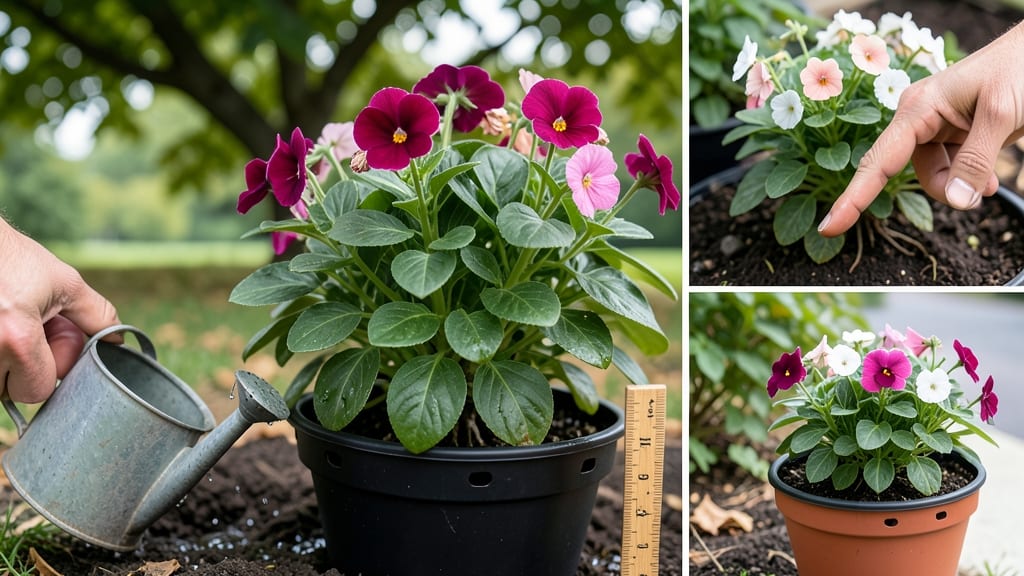
Impatiens need a lot of water to thrive, but getting the balance right is the difference between lush blooms and sad, wilted plants 🌸.
If you’ve ever wondered why your impatiens wilt faster than they bloom—or why some thrive like water-loving superstars—watering habits are the secret weapon in your gardening arsenal.
These plants love moisture, but too much water can drown their roots, while too little leaves them crispy and sad. The key is keeping the soil consistently damp, not soggy, which means adjusting your watering based on whether they’re in pots or garden beds.
Below, I’ll break down exactly how often to water, how to spot over- or underwatering, and the best techniques to keep your impatiens happy all season long.


How much water do impatiens really need? The science behind their moisture preferences
Impatiens are often called the "garden divas" of shade gardens, but their reputation for being high-maintenance often stems from one critical factor: water needs. While they do love moisture, overwatering kills faster than underwatering.
The key lies in understanding their ideal moisture range—which isn’t as simple as "daily waterings." Soil type, climate, and even pot size dramatically alter their thirst levels. Let’s break down the science so you can keep your impatiens blooming like a pro.
Impatiens thrive in consistently moist but never soggy soil. Their native tropical habitats teach us they prefer humidity and even moisture, but their roots hate stagnant water. The ideal moisture range sits between 40-60% soil moisture at all times.
Think of it like a damp sponge—not dripping wet, but never bone-dry. This balance is why many gardeners struggle: they either drown their plants or let them wilt between waterings.
| Condition | Specification | Adjustment Tips |
|---|---|---|
| Climate: Humid | Every 2-3 days | Water lightly; rely on natural humidity |
| Climate: Arid | Daily (morning) | Deep soak; mulch heavily |
| Soil: Sandy | Every 1-2 days | Add compost to retain moisture |
| Soil: Clay | Every 3-4 days | Avoid waterlogging; test soil moisture |
| Container Size: Small Pot | Daily | Use self-watering pots or pebbles |
| Season: Summer | Every 1-2 days | Water early morning to prevent evaporation |
Your local climate is the first factor to consider. In humid regions like the Pacific Northwest, impatiens may only need water every 2-3 days because the air already holds moisture. But in dry climates such as Arizona or California, daily waterings in the early morning are non-negotiable.
Pro tip: If you live in a hot, dry zone, mulch with 2-3 inches of organic matter (like shredded bark) to lock in moisture and keep roots cool.
Soil type plays a huge role in how often you water. Sandy soil drains like a sieve, so you’ll need to water every 1-2 days to maintain that 40-60% moisture range.
On the flip side, clay soil holds onto water like a sponge, which means you might only need to water every 3-4 days. To test, stick your finger 1 inch deep—if it feels dry, it’s time to water. If it’s damp, wait another day.
Seasonal changes dramatically alter impatiens' water needs. During spring and fall, when temperatures are mild, you can water every 2-3 days. But in peak summer, when evaporation rates skyrocket, switch to daily waterings in the morning.
The golden rule: Never water at night. Wet foliage overnight invites fungal diseases like powdery mildew, which can decimate your plants faster than you can say "impatiens."
Container gardening adds another layer of complexity. Small pots dry out in hours, while large containers can last 3-4 days between waterings. If you’re growing impatiens in hanging baskets, use a self-watering system or place pebbles at the bottom to create a moisture reservoir.
For garden beds, aim to water deeply 1-2 times per week rather than shallow daily sprinkles, which encourage shallow root growth and make plants more vulnerable to drought.
One of the biggest mistakes I see is overwatering, which leads to root rot and yellowing leaves. Impatiens are not drought-tolerant, but they’re also not swamp plants. If your soil feels soggy to the touch or water pools on top, you’re overdoing it.
On the other hand, underwatering causes leaves to curl and crisp at the edges, and stems may feel hollow when squeezed. Both extremes stress the plant, but overwatering is the silent killer because symptoms appear slowly.
To keep your impatiens thriving, monitor soil moisture like a hawk. Invest in a moisture meter for $10, or use the finger test—it’s free and foolproof. Aim to water when the top 1 inch of soil
Watering techniques to keep impatiens thriving without drowning their roots
Impatiens love moisture but despise soggy roots—finding that sweet spot is key to keeping them blooming like crazy. These shade-loving beauties need consistent moisture without becoming waterlogged, which means your approach must adapt to whether they're in pots, garden beds, or hanging baskets.
The wrong watering routine can lead to drooping leaves or worse, root rot, so let’s break it down by container type and climate.
For potted impatiens, the rule is simple: water when the top inch of soil feels dry. Smaller pots dry out faster, so check daily in summer heat, while larger containers may need watering every 2-3 days.
Always water until it drains from the bottom—this prevents salt buildup and ensures roots get oxygen. In garden beds, impatiens need 1-1.5 inches of water per week, but mulch heavily to retain moisture and reduce evaporation.
Morning watering is non-negotiable—it gives foliage time to dry before evening, cutting down on fungal diseases like powdery mildew. Avoid overhead watering, especially at night, as damp leaves create the perfect breeding ground for pests.
Instead, use a watering can with a rose attachment or drip irrigation to deliver water directly to the soil.
🌿
⚠️ Do Impatiens Need a Lot of Water?
Impatiens do need frequent watering, but "a lot" is misleading—they hate waterlogged soil. The key is consistent moisture, not saturation. Overwatering causes root rot and yellowing leaves, while underwatering leads to crispy edges and wilting. Adjust based on container size, climate, and mulch—never let them dry out completely, but avoid puddles.
Hanging baskets pose a unique challenge because they dry out faster. Line them with moisture-retentive sphagnum moss and water thoroughly twice daily in extreme heat. If the soil feels dry just an inch below the surface, it’s time to water.
Pro tip: Elevate baskets slightly off the ground to improve drainage and prevent stagnant water from causing soil compaction.
Seasonal adjustments are crucial. In summer’s peak heat, impatiens may need daily watering, while spring and fall can stretch that to every other day. Winter slows their growth, so reduce watering to once a week or when the soil is bone-dry.
Always use room-temperature water to avoid shocking the roots, and consider adding a slow-release fertilizer to the soil to support their thirst for nutrients.
Watch for signs of uneven moisture distribution, like dry spots in large garden beds or uneven wilting in baskets. Rotate containers regularly to ensure all roots get equal access to water, and consider adding hydrogel crystals to potting mixes for extra moisture control.
With these techniques, your impatiens will stay hydrated without a single drowned root in sight.
☀️