
Plants
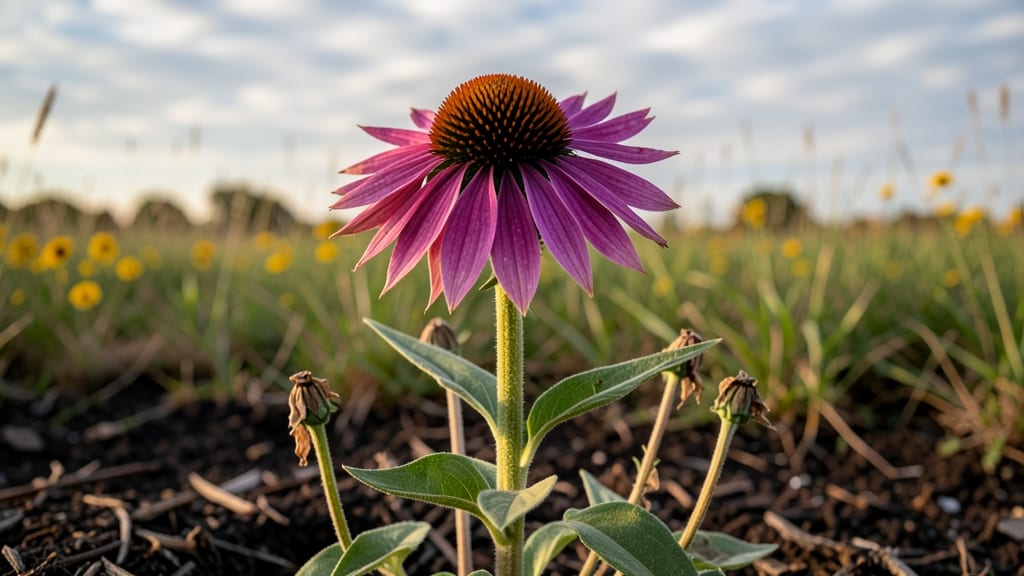
Yes, perennials come back each year by storing energy in their roots, rhizomes, or tubers, which let them regrow from dormant structures after seasonal dormancy or winter dieback. With the right care, they thrive through repeated growth cycles.
Perennials rely on their underground storage systems to survive harsh seasons, making them different from annuals that complete their life cycle in one year. 🌱 These plants often shed leaves or stems in winter but keep their roots alive, ready to sprout new growth when conditions improve.
Think of them as nature's built-in survivalists—they've evolved to handle cold snaps, droughts, or even light frost by going dormant until spring.
What sets perennials apart is their ability to regenerate from the same root system year after year, unlike annuals that need replanting. This makes them low-maintenance choices for gardeners who want long-term beauty with minimal effort.
The key is understanding their natural rhythms—watering less in winter, protecting them from extreme cold, and avoiding over-pruning, which can weaken their stored energy reserves.
For example, peonies and hostas are classic perennials that return stronger each season when given proper care. The trick is balancing support (like mulch) with letting them rest—too much intervention can actually harm their natural cycle.
With the right conditions, many perennials can live for decades, making them a gardener's best investment for lasting color and texture.
💡 In This Article
- How Perennial Plants Survive Through Dieback Cycles
- Signs Your Perennials Will Return and How to Help Them
How perennial plants survive through dieback cycles
Perennial plants survive seasonal dieback through a clever biological strategy: storing energy in specialized underground structures like roots, rhizomes, or tubers. These storage organs act like nature's batteries, packed with starches and sugars that fuel regrowth when conditions improve.
For example, a peony's thick, fleshy roots can store enough energy to produce a lush 3-5 foot flowering stem each spring, even after a winter where the above-ground foliage completely withers away. 🌱 The key difference from annuals is that perennials maintain a living root system year-round, while annuals complete their entire life cycle in a single growing season.
Temperature and daylight act as natural triggers for this cycle. As days shorten in autumn, plants detect the cooling temperatures and reduced light, signaling them to enter dormancy.
This process involves complex hormonal changes where the plant redirects nutrients from leaves to roots, while also producing protective compounds like antifreeze proteins in cold-hardy species. Evergreen perennials like lavender take this a step further by maintaining some green foliage through winter, though they still reduce metabolic activity.
The contrast with biennials (plants that take two years to complete their cycle) is striking—biennials store energy for just one regrowth phase, while perennials do this repeatedly.
The storage capacity varies dramatically between species. A single 1-inch diameter hosta rhizome might contain enough starch to produce a 2-foot tall plant, while a 3-inch diameter asparagus crown can generate multiple spears. This storage system explains why perennials often look dormant but are actually preparing for next year's growth.
The trade-off is that these storage organs require careful maintenance—too much disturbance (like over-pruning) can deplete their reserves, while proper mulching (adding 2-3 inches of organic material) helps insulate them through winter.
What most gardeners don't realize is how critical the first few weeks of spring are. As soil temperatures rise above 40°F, stored nutrients begin converting back into sugars that fuel new shoot growth.
This is why early spring care matters—watering too heavily at this stage can actually dilute the nutrient concentration in the roots.
The plant's first priority is always rebuilding its energy reserves before producing leaves or flowers, which is why you might see just a few small shoots emerge before full foliage appears. 🌿 This gradual regrowth is nature's way of ensuring the plant has enough energy to complete its full cycle.
Consider the case of daylilies, which store energy in thick, fleshy roots called rhizomes. A mature daylily plant might have 10-15 pounds of rhizome material underground, capable of producing dozens of flowering stems.
When you see a daylily that appears "dead" in winter, what you're actually looking at is a plant that has successfully transferred all its resources underground. The same principle applies to herbaceous perennials like coneflowers, whose roots can remain viable for decades if protected from extreme conditions.
The biological mechanism behind this survival strategy involves specialized cells called parenchyma, which store starch granules. These cells are particularly abundant in the plant's crown—the transition zone between roots and stems. During dormancy, the plant also produces protective compounds that prevent cell damage from freezing temperatures.
This dual approach of energy storage and cold protection explains why many perennials can survive winters with -20°F temperatures or even brief periods of snow cover, as long as the roots remain undisturbed and adequately insulated.