
Plants
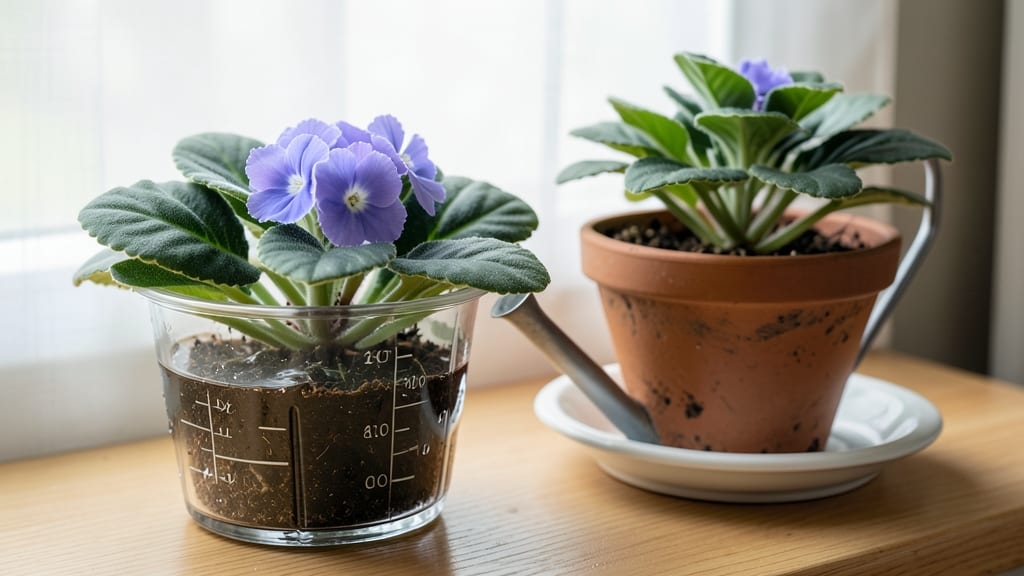
Bottom watering works best for succulents like jade and echeveria, moisture-loving tropicals such as peace lilies and calatheas, and air plants (tillandsias). This technique encourages roots to absorb water naturally from below, reducing overwatering risks while keeping maintenance simple.
This method is especially beneficial for plants that dislike soggy soil or have shallow root systems. 🌱 For example, succulents store water in their leaves, so bottom watering prevents rot while ensuring they get enough moisture.
Tropical plants like calatheas thrive with consistent humidity, and the slow absorption from below mimics their natural rainforest environment. Air plants, which don't need soil at all, simply need occasional misting or submersion—bottom watering trays make this effortless.
The key advantage is control—you can monitor soil moisture without overdoing it. I've found that using saucers with drainage holes and adding pebbles to elevate pots prevents waterlogging while keeping roots hydrated.
For plants sensitive to chlorine, like peace lilies, I always use filtered or distilled water to avoid leaf burn.
💡 In This Article
- How Bottom Watering Benefits Certain Plant Types
- Setting Up a Bottom Watering System for Your Plants
How bottom watering benefits certain plant types
Bottom watering works by allowing roots to absorb moisture through capillary action—water rises from the tray into the soil, encouraging deep root growth and preventing surface evaporation.
This method is particularly beneficial for plants with shallow root systems, like succulents (jade, echeveria), which store water in their leaves and stems.
The slow, controlled uptake prevents overwatering, a common issue with top-watering that leads to root rot. 🌵 For example, a jade plant in sandy soil absorbs water more efficiently from below, as the coarse particles allow excess moisture to drain quickly while retaining enough for the roots.
The soil composition plays a critical role in how well bottom watering works. Peat-based mixes retain moisture longer, ideal for tropicals like calatheas, while cactus/succulent blends (60% mineral grit, 40% potting soil) drain faster, perfect for desert plants.
Air plants (tillandsias) don’t need soil at all—they absorb water through their leaves, making them ideal candidates for occasional submersion in a tray of water. The key is matching the soil’s moisture retention to the plant’s natural habitat: sandy soils for arid species, peat-heavy mixes for rainforest plants.
This technique also reduces fungal risks by keeping foliage dry, unlike top-watering which can leave damp leaves vulnerable to powdery mildew or botrytis. For instance, peace lilies (spathiphyllum) thrive with bottom watering because their broad leaves stay dry while roots access moisture consistently.
The method mimics natural conditions—think of how epiphytes in rainforests absorb humidity from the air and occasional rainfall, or how desert plants rely on infrequent but deep watering during monsoons. 🌧️
Another advantage is the self-regulating nature of bottom watering. Plants only absorb what they need, reducing waste and preventing soggy soil.
For example, a 10-inch echeveria pot might need just 1/4 cup of water every 10-14 days, while a 6-inch calathea requires 1/3 cup weekly—the tray method lets you monitor water levels without guesswork. This precision is especially helpful for beginners who often overwater out of caution.
However, not all plants benefit equally. Herbaceous perennials (like hostas) or deep-rooted trees may struggle because their roots can’t access water from shallow trays. The solution? Use deeper pots (at least 8 inches) with elevated drainage holes to ensure roots reach the water.
For tillandsias, a simple 10-minute soak once a week in a tray of water mimics their epiphytic lifestyle, while succulents should only sit in water for 5-10 minutes to avoid rot.
One common misconception is that bottom watering requires constant trays of water. In reality, most plants only need 1-2 inches of water in the tray, and excess should drain within 30 minutes.
For air plants, a 5-minute dip every 7-10 days is sufficient—overdoing it can drown their delicate trunks. The goal is to replicate the plant’s natural moisture cycle, whether it’s a semiarid desert or a humid rainforest. 💧