
Watering
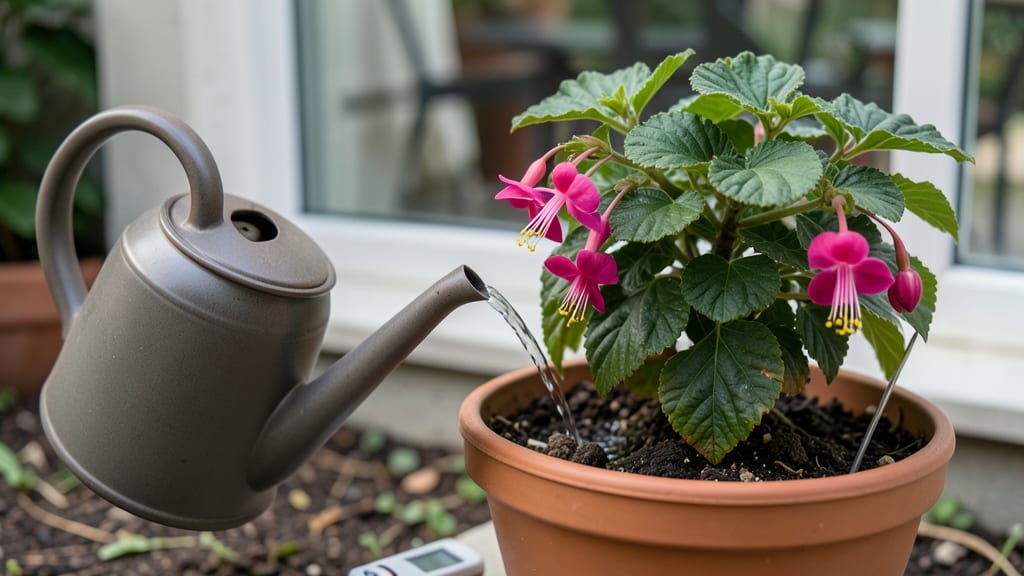
Your fuchsia water requirements depend on whether you’ve got bush or vining types 🌸 — and getting it wrong can mean drooping leaves or root rot before you know it.
Struggling to keep your fuchsias thriving? Overwatering or underwatering can turn your vibrant blooms into a sad, wilted mess—especially when bush and vining types have completely different needs.
Bush fuchsias need consistent moisture but hate soggy soil, while vining varieties prefer slightly drier conditions to climb properly. Seasonal shifts—like summer heat or winter chill—also change how often you should water.
Below, I break down the exact weekly schedule for both types, plus how to spot overwatering (yellow leaves) or underwatering (crispy edges) so you can keep your plants lush all season.


Bush fuchsia watering schedule: how often to water for maximum blooms
Bush fuchsias thrive on consistent moisture but hate soggy roots—balancing these needs is key to those showstopping blooms. Unlike their vining cousins, bush varieties pack more foliage into compact spaces, meaning their root systems dry faster.
My go-to rule? Water when the top 1-2 inches of soil feel dry to the touch, adjusting for your climate and pot size.
Morning watering is non-negotiable for bush fuchsias. Why? Wet leaves at night invite fungal diseases like powdery mildew, while morning H₂O ensures roots soak up hydration before evaporative heat kicks in. I always water at 7-9 AM, giving plants a full day to recover before evening chill sets in.
Here’s your seasonal watering cheat sheet—adjust based on your local humidity and whether your fuchsias are in containers or garden beds:
| Season | Frequency (Containers) | Frequency (Garden Beds) | Soil Check | Pro Tip |
|---|---|---|---|---|
| Spring | Every 2-3 days | Every 3-4 days | Top 1" dry | Increase frequency if temps >75°F |
| Summer | Daily (small pots) | Every 2-3 days | Top ½" dry | Mulch with 2" straw to retain moisture |
| Fall | Every 4-5 days | Every 5-6 days | Top 2" dry | Reduce feeding as blooms slow |
| Winter | Every 10-14 days | Every 2 weeks | Top 3" dry | Move pots to sheltered spot if temps <40°F |
Pot size dramatically changes watering needs—5-gallon containers dry out faster than 10-gallon pots.
I test moisture by sticking my finger 1-2 inches deep; if it feels dry, water thoroughly until it drains from the bottom holes. Never let fuchsias sit in saucers of water, or you’ll trigger root rot.
Mulching is my secret weapon for bush fuchsias. A 2-inch layer of straw or shredded bark locks in moisture, reducing summer watering by 30-40%. Plus, it keeps soil temps stable—critical when heatwaves hit. Pro tip: Refresh mulch every 3-4 months to prevent compaction.
Watch for overwatering signs: yellowing leaves, mushy stems, or white mold on soil. Underwatered fuchsias? Crispy leaf edges and drooping blooms by noon are red flags.
My fix? For overwatered plants, repot in fresh soil and hold off until soil dries. For thirsty plants, water deeply once and mulch immediately.
Humidity plays a huge role—if you live in dry climates (like Arizona), increase watering by 20%. In humid areas (e.g., Pacific Northwest), let soil dry slightly longer between waterings. I always adjust based on my local weather forecasts, not just the calendar.
For maximum blooms, pair this watering schedule with morning pruning of spent flowers. This redirects energy to new growth and keeps your bush fuchsia compact and bushy. I prune every 7-10 days during peak bloom season (June-August) and never cut more than ⅓ of the plant at once.
Remember: bush fuchsias are thirsty drinkers but hate wet feet. Master this balance, and you’ll enjoy non-stop blooms from early summer through fall. 🌸
Vining fuchsia water requirements: the key differences from bush types
Vining fuchsias are often overlooked when it comes to watering because their needs differ dramatically from bush varieties. While bush fuchsias thrive with frequent moisture to support their compact growth, vining types develop deeper root systems that access water from lower soil layers.
This means they need less frequent watering—but timing and placement become even more critical.
The key difference lies in their root depth and how trellises affect moisture retention. Vining fuchsias spread horizontally along supports, which can reduce evaporation compared to bush types. However, their climbing habit means water must reach the upper canopy efficiently.
Humidity also plays a bigger role—climbing varieties in dry air need more careful monitoring than bush types.
For vining fuchsias, I recommend placing trellises in slightly shaded areas to slow moisture loss. The deeper roots mean you can water less often but must ensure the soil stays moist to a 12-inch depth.
Use a long-handled trowel to check moisture—if the soil feels dry at this depth, it's time to water. In high-humidity climates, you might extend watering intervals to 6-7 days during summer.
Another critical adjustment is watering time. While bush fuchsias do best with morning water, vining types benefit from late morning sessions (9-11 AM). This allows dew to evaporate from the leaves, reducing fungal risks like powdery mildew, which climbers are more prone to due to their dense foliage.
I've found that watering at this time also helps blooms last longer by preventing evening moisture from weighing them down.
If you're growing vining fuchsias in containers, reduce watering by 20% compared to in-ground plants. The roots can't spread as widely, so the soil dries out faster. Use self-watering pots or add hydrogel crystals to maintain consistent moisture.
During winter, both bush and vining types need far less water, but vining varieties can handle bi-weekly watering even in dormancy if kept in protected locations.
Watch for these key signs of improper watering in vining fuchsias: drooping leaves indicate thirst, while yellowing foliage at the base signals overwatering. Climbers often show stress first in the upper leaves, so check these areas regularly.
With the right adjustments, your vining fuchsias will thrive with 30% less water than bush types while producing even more dramatic cascades of blooms.