
Vegetables
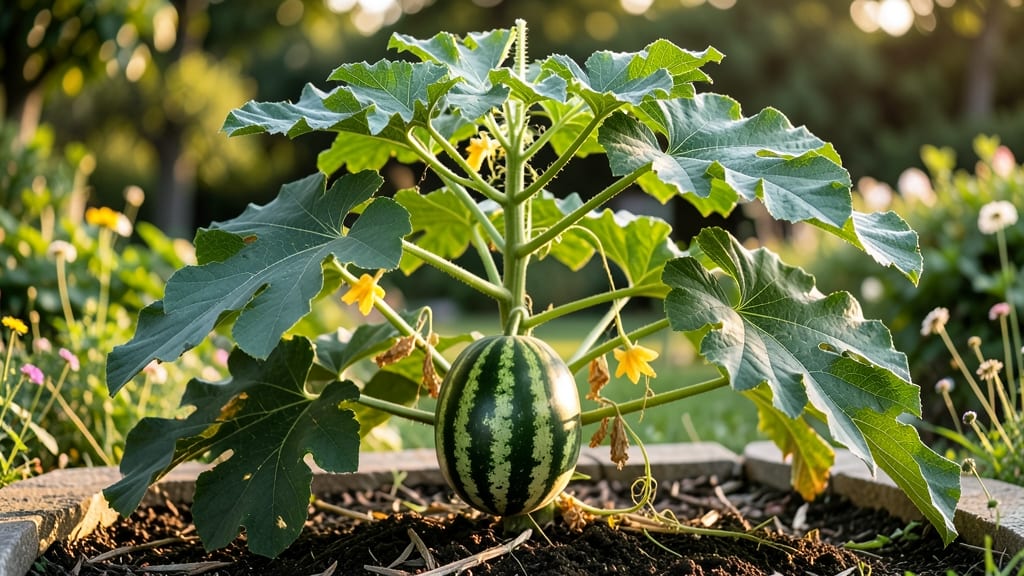
Spotting a ripe watermelon with good watermelon signs means the difference between juicy slices and a bland, watery disappointment — and the secret is in the details.
Picking a ripe watermelon at the grocery store or farmers' market can feel like a gamble—until you know these foolproof signs for juicy perfection.
Start with the rind: look for a creamy yellow spot on the side that touched the ground, a deep, even color (not green near the stem), and stripes that feel slightly waxy to the touch.
Then there’s the thump test, the weight of the melon in your hands, and even the way the vine looks. Below, I’ll walk you through every trick—so you never guess again.
How to check watermelon rind texture for ripeness
A ripe watermelon’s rind texture and color patterns reveal its sweetness and juiciness. Unlike grocery store guesswork, these field-tested signs help you pick melons that are perfectly mature—not overripe or underripe.
The key lies in three areas: the ground spot, rind firmness, and color uniformity. Let’s break down what to look for and what to avoid.
First, focus on the ground spot, the area where the watermelon rested against the soil. A ripe watermelon’s ground spot should be cream-colored or yellowish, not white or green. This color change signals the melon has fully matured and developed its signature sweetness.
Avoid melons with green or white spots—they’re still immature. Pro tip: Press your thumb into the ground spot; if it feels slightly soft but not mushy, it’s a good sign.
| Good Watermelon Signs | What to Look For |
|---|---|
| Ground Spot | Cream or yellowish color, slightly soft when pressed |
| Rind Texture | Hard to puncture with thumbnail, no soft spots |
| Color Uniformity | Deep, consistent hue (no green near ground) |
| Stripe Pattern | Bold, defined stripes (not faded or uneven) |
| Field Sound | Deep, hollow thump when tapped (not dull) |
Next, examine the rind firmness by pressing your thumbnail into the blossom end (the smaller, flat side where the flower was). A ripe watermelon’s rind should be too tough to puncture with your nail—if it dents easily, it’s overripe.
Conversely, if the rind feels rock-hard or doesn’t give at all, the melon is underripe. Pay attention to surface bumps too; a ripe watermelon has a slightly textured, not smooth, rind.
Don’t overlook the color and stripe patterns. A fully ripe watermelon should have a deep, consistent color with no green near the ground spot. Stripes should be bold and even, not faded or patchy.
For example, a Seedless Crimson Sweet should have vibrant red stripes, while a Charleston Gray should display crisp gray-green stripes. Faded stripes often mean the melon was harvested too early or sat in the sun too long.
Common mistakes can lead to disappointment. Many gardeners avoid watermelons with white or green ground spots, assuming they’re unripe—but sometimes these melons are simply shade-grown and still sweet. Others mistake soft spots for ripeness, when they’re actually signs of overripeness or rot.
Always combine rind checks with the thump test (which we’ll cover next) for the most accurate results.
One pro trick is to weigh the watermelon in your hands. A ripe melon feels heavy for its size because it’s packed with juice. Lift two similar-sized melons—one will feel noticeably lighter if it’s underripe.
This method works best when comparing melons side by side. Pair this with the ground spot check for a foolproof combo.
If you’re harvesting from your own garden, watch for the vine’s behavior. When the main vine near the melon turns yellow and dies back, it’s a strong sign the fruit is ready.
But even then, always verify with the rind texture and color cues before cutting. Overlooking these signs can mean a melon that’s seedy, bland, or watery instead of sweet and juicy.
For black or dark-green rind varieties (like Moon and Stars), focus on the pattern changes rather than color. The yellow spots on a dark rind should be prominent and well-defined.
If the spots are faint or nonexistent, the melon likely needs more time on the vine. Always prioritize texture and firmness over color when dealing with heirloom or dark-skinned varieties.
Finally, avoid store-bought watermelons that have been treated with wax coatings to preserve appearance. These coatings can mask ripeness cues. When possible, opt for farmers' market melons or grow your own—where you control the growing conditions and can trust the rind texture signals.
With practice, you’ll spot a perfectly ripe watermelon every time.
Watermelon thump test: the best techniques for a juicy sound
The watermelon thump test is one of the most popular tricks for checking ripeness—but many people do it wrong. A hollow, deep sound doesn’t always mean juicy perfection. Science shows that firmness, location, and even melon size affect the thump’s accuracy.
I’ll break down how to use this test like a pro, plus why some melons trick you into buying underripe fruit.
First, find the blossom end (the smaller, flat side where the flower was). This is the sweetest spot and the best place to thump. Use your knuckles—not your palm—to tap gently.
A ripe watermelon should produce a deep, hollow thud, like knocking on a wooden door. If it sounds dull or flat, it’s likely still firm and unripe.
But here’s the catch: small watermelons often sound hollow even when underripe because they lack mass. A 10-pound melon with a dull thump is more trustworthy than a 5-pound melon with a booming sound.
Always combine the thump test with other good watermelon signs, like a cream-colored spot on the ground side.
⚠️ Watch Out for These Thump Test Traps!
- Overripe melons can sound hollow but feel mushy when pressed.
- Underripe melons may thump loudly if they’re hard and dense inside.
- Uneven ripeness happens when only part of the melon is ripe—thump near the stem end for accuracy.
Pro Tip: Pair the thump test with a firmness check—press your thumb near the blossom end. If it leaves a slight dent, the melon’s ripe!
For the most accurate results, thump the melon twice: once near the blossom end and once near the ground spot. A ripe melon will sound hollow in both spots, but the blossom end is still the most reliable.
If the sound changes between taps, the melon might be unevenly ripe—cut it open to check!
Temperature also affects the thump. A cold watermelon (like one pulled from a fridge display) will sound hollow but taste bland. Let it sit at room temperature for 30 minutes before testing.
And if you’re at a farmers' market, ask when the melons were picked—field-ripe ones (harvested when fully mature) are always the juiciest.
Remember, the thump test is just one tool. The best watermelon selection combines visual cues (like a dull rind and cream-colored spot), tactile checks (firm but slightly yielding), and the thump. Master these, and you’ll never buy a soggy or bland watermelon again. Happy thumping!