
Vegetables
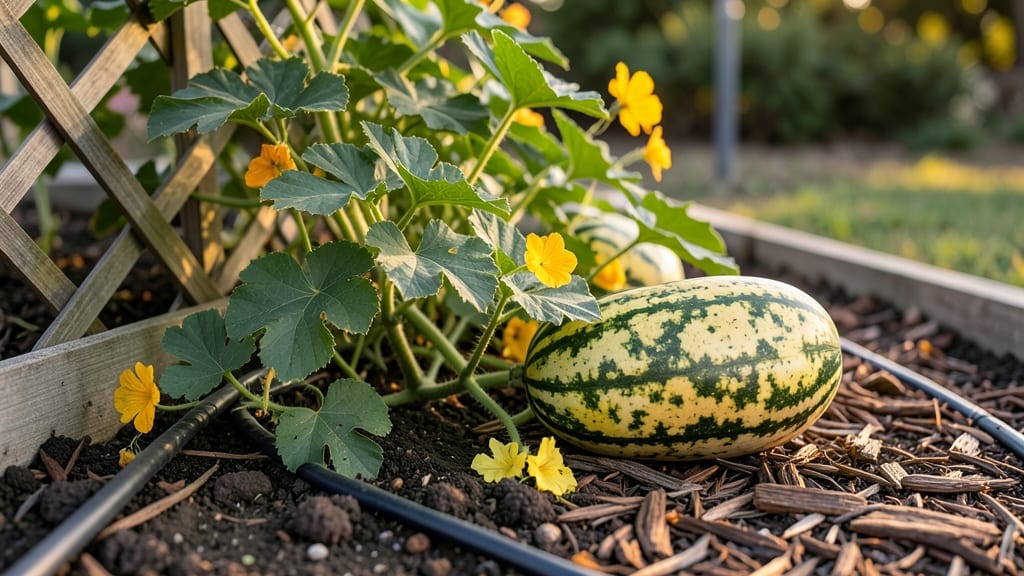
To grow seedless watermelons, farmers use triploid seeds created by pollinating diploid watermelon plants with pollen from specialized hybrid varieties, producing fruit without viable seeds while preserving flavor and size. This precise breeding process demands meticulous plant selection and controlled cross-pollination techniques.
This unique process starts with two different watermelon types: the standard diploid plant (with two sets of chromosomes) and a tetraploid donor (with four sets).
When pollen from the tetraploid plant fertilizes the diploid plant's ovules, the resulting seeds produce triploid offspring—watermelons with three chromosome sets that can't develop fully functional seeds. 🌱 The result is fruit that's just as sweet and juicy as traditional varieties but completely seed-free, making them a favorite for picnics and easy snacking.
Farmers often use this method because it eliminates the need for manual seed removal while maintaining the watermelon's signature qualities. Many commercial seedless varieties like Sugar Baby or Crimson Sweet rely on this technique, though home gardeners can also achieve similar results with careful cross-pollination between compatible plants.
💡 In This Article
- The Science Behind Seedless Watermelon Pollination
- Best Seedless Watermelon Varieties and Growing Tips
The science behind seedless watermelon pollination
Seedless watermelons rely on a fascinating genetic trick called triploidy, where the fruit develops from seeds containing three sets of chromosomes instead of the usual two. This happens when a diploid watermelon plant (with two chromosome sets) is pollinated with pollen from a tetraploid donor plant (with four chromosome sets).
The resulting seeds produce triploid offspring that can't form viable seeds because their odd chromosome count disrupts normal seed development. 🌱
The tetraploid donor plant is crucial—it's typically created by treating regular watermelon seeds with colchicine, a chemical that doubles their chromosome count.
When pollen from this tetraploid plant fertilizes a diploid plant's ovules, the resulting embryo inherits three chromosome sets (one from the diploid parent and two from the tetraploid pollen). This triploid condition prevents seeds from maturing properly, though the fruit itself grows just like normal watermelons.
What's remarkable is how this process preserves the watermelon's signature qualities. Triploid fruit often weighs between 10-20 pounds (similar to seeded varieties) and maintains high sugar content because the extra chromosome set doesn't interfere with flavor development.
The genetic manipulation isn't permanent—each generation requires new cross-pollination to maintain the seedless trait, which is why commercial growers carefully manage their plant populations.
This method differs from traditional watermelons, which develop from diploid seeds containing two chromosome sets. Traditional varieties produce fully viable seeds that can be saved and replanted, while seedless varieties require ongoing cross-pollination.
The trade-off is worth it for many growers, as seedless watermelons eliminate the need for seed removal while offering the same refreshing sweetness and juicy texture.
For home gardeners, creating seedless watermelons requires access to both diploid and tetraploid plants. Many seed companies now offer pre-made triploid seeds that skip the cross-pollination step, making it easier to grow seedless varieties without needing specialized plants.
These pre-made seeds contain the triploid embryo but still require proper growing conditions to produce quality fruit.
One interesting side effect of triploidy is that the fruit sometimes develops small, sterile seeds that are too undeveloped to sprout. These "seedless" watermelons can still contain these tiny remnants, though they're completely inedible and don't affect the eating experience.
The absence of normal seeds makes these watermelons particularly appealing for fresh eating and slicing.