
Plants
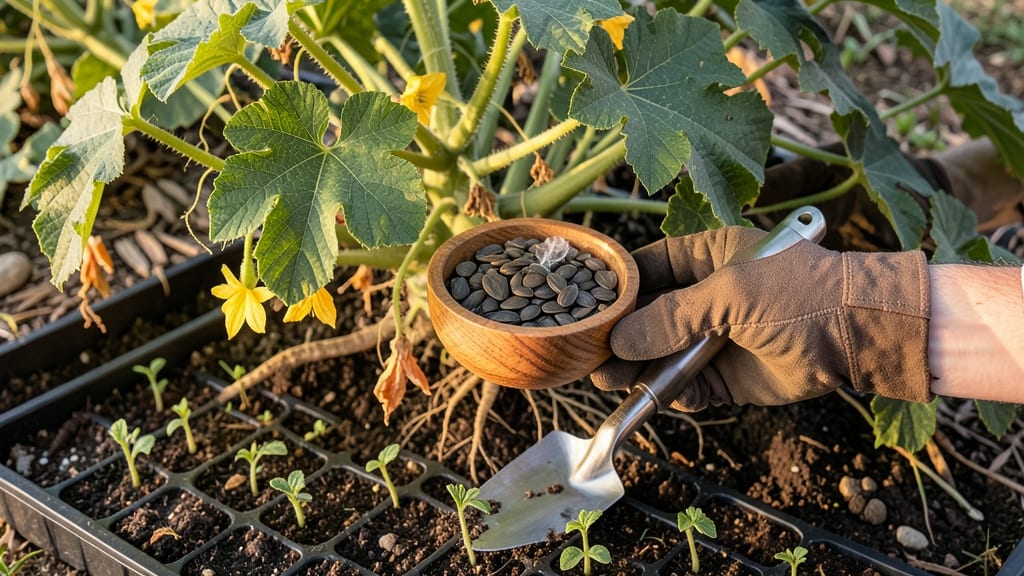
You can plant watermelon seeds straight from the fruit, but they need thorough rinsing to remove pulp that can inhibit germination. Soak them overnight in warm water to jumpstart growth, then plant 1 inch deep in well-draining soil after your last frost date. Using fresh, firm seeds from fully ripe melons gives you the best chance of success.
Watermelon seeds you save from store-bought fruit work just fine, but their success depends on proper preparation. 🌱 The key is removing all fruit residue, which can rot or attract pests—simply rinse seeds under cool water and let them dry completely before soaking.
I've found that seeds from heirloom varieties often germinate faster than hybrid ones, though both can thrive with the right care. For best results, plant in full sun with consistent moisture, as watermelons need warm soil temperatures to sprout reliably.
What many gardeners overlook is the importance of soil temperature—seeds won't germinate well below 60°F. If you're in a cooler climate, consider starting seeds indoors 4-6 weeks before your last frost date, then transplanting seedlings after nighttime temperatures stay above 55°F.
This extra step can make all the difference in northern growing zones.
💡 In This Article
- How to Prepare Watermelon Seeds for Planting
- Best Practices for Growing Watermelons From Store-Bought Seeds
How to prepare watermelon seeds for planting
Watermelon seeds contain a natural germination inhibitor found in the fruit's flesh, which is why they need thorough cleaning before planting. Start by scooping seeds from ripe melons and rinsing them under cool running water for 5-10 minutes to remove all pulp residue.
The sticky, gelatinous coating that clings to seeds can trap moisture and promote mold growth—this is why gardeners often see failed germination when seeds aren't properly cleaned. 🌱 For extra assurance, place seeds in a fine-mesh strainer and give them a final rinse with a 1% vinegar solution (1 part white vinegar to 9 parts water) to disinfect and remove any lingering sugars.
The soaking process accelerates germination by softening the seed coat and activating enzymes that kickstart metabolic activity. Fill a clean container with warm water (70-80°F) and add your rinsed seeds, ensuring they're fully submerged.
Let them soak for 12-24 hours, stirring occasionally to prevent anaerobic conditions that could produce harmful gases. You'll notice some seeds float—these are typically non-viable or hollow, so discard them. Viable seeds will sink and may even begin to sprout tiny white roots within 12-16 hours of soaking.
This pre-sprouting gives you a head start on identifying healthy seeds before planting.
Temperature is the single most critical factor for successful germination, with watermelons requiring soil temperatures of at least 60°F to sprout reliably.
Use a soil thermometer to monitor conditions, as cooler temperatures slow metabolic processes and can delay germination by weeks. 🌡️ If your climate is still chilly, consider using a seedling heat mat set to 75-80°F—this mimics the warm, tropical conditions watermelons prefer.
Another pro tip: plant seeds in biodegradable pots filled with moistened seed-starting mix, then bury the entire pot 1 inch deep in the garden. This protects tender seedlings from temperature fluctuations and makes transplanting easier later.
Light exposure plays a subtle but important role in early seedling development. While seeds don't need light to germinate, young watermelon sprouts require 12-14 hours of sunlight daily once they emerge.
If you're starting seeds indoors, place them near a south-facing window or under grow lights positioned 2-3 inches above the seedlings. The first leaves (cotyledons) will appear in 7-14 days, followed by true leaves within another week.
At this stage, you can gently transplant seedlings outdoors after hardening them off for 5-7 days—gradually exposing them to outdoor conditions prevents shock from temperature swings.
Common mistakes that reduce success rates often stem from impatience or improper timing. Overwatering seeds can drown them, while underwatering causes the soil to dry out too quickly.
Aim for consistently moist (not soggy) soil—think of it like a wrung-out sponge. 💧 Another frequent error is planting seeds too deeply; watermelon seeds need only 1 inch of coverage, as they contain stored energy (endosperm) that fuels early growth.
If planted deeper, they may exhaust their reserves before reaching the surface. Finally, avoid using garden soil straight from the yard, as it may contain pathogens or pests that harm tender seedlings. Instead, mix in compost for nutrients and perlite for drainage.
For gardeners in cooler climates, consider this advanced technique: use black plastic mulch to warm the soil 5-10°F faster than bare ground. Lay the mulch down 2 weeks before planting to create a microclimate that speeds germination.
You'll also find that watermelon seeds from heirloom varieties often outperform hybrids in home gardens, as hybrid seeds may not produce true-to-type fruit. Save seeds from your best-performing melons for next year's planting—they'll be better adapted to your local conditions and likely more flavorful. 🌿