
How To
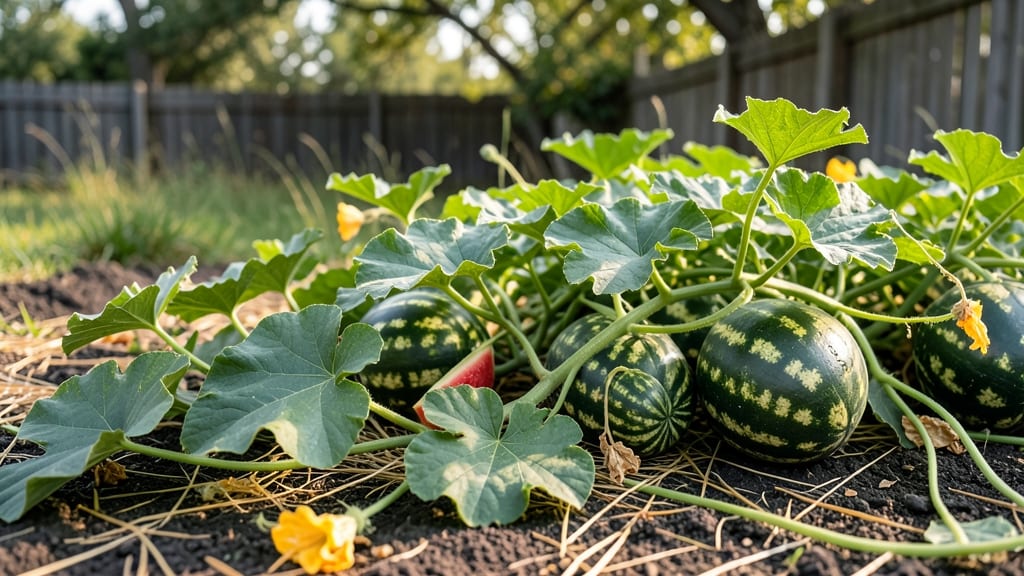
Crimson Sweet watermelons grow into vines that spread 6–12 feet long and produce fruit weighing 12–20 pounds—about the size of a small basketball.
If you're dreaming of juicy, sweet watermelons but don’t know how much space to dedicate to Crimson Sweet vines, you’re not alone. These classic varieties pack incredible flavor, but their sprawling habits can catch even experienced gardeners off guard.
Understanding their mature size is the key to planning your garden layout. Too little space means stunted growth and smaller fruit, while overestimating can leave your plot looking messy.
I’ll break down exactly how much room these vines need, how to control their spread, and why proper spacing makes all the difference in your harvest.
From vine length to fruit weight, here’s what you need to know to give your Crimson Sweet watermelons the perfect home—whether you’ve got a backyard plot or a small balcony to work with.
Crimson Sweet watermelon size breakdown: fruit weight & vine length explained
When planning your garden, understanding the mature size of Crimson Sweet watermelons is essential. These popular varieties produce large, sweet fruits weighing between 12–20 pounds each, with vines sprawling 6–10 feet long.
The vines also grow vertically about 6–12 inches, creating a sprawling ground cover that needs ample space to thrive.
One of the first things I learned when growing Crimson Sweet is that their vine length and fruit size are directly influenced by growing conditions. Rich, well-draining soil and full sun exposure encourage larger fruits and longer vines, while cooler climates or poor soil can stunt growth.
Proper spacing and care can help you maximize yield and fruit quality.
Here’s a quick breakdown of what to expect with Crimson Sweet watermelons:
If you’re growing Crimson Sweet in containers, expect slightly smaller fruits—typically 8–12 pounds—since root space is limited. The vines will still sprawl, but you can control their growth with pruning or vertical supports. Always use large containers (at least 5-gallon pots) to accommodate their root systems.
Climate plays a huge role in determining final size. In USDA Zones 8–10, where summers are long and hot, Crimson Sweet watermelons often reach their maximum size.
In cooler zones (like Zone 7 or below), fruits may stay smaller unless you use row covers or extend the growing season with black plastic mulch.
Pruning can also influence size. While Crimson Sweet isn’t typically pruned like indeterminate tomatoes, removing some lateral vines early in the season can redirect energy to fewer, larger fruits. I’ve found that leaving 2–3 main vines per plant helps produce bigger, sweeter melons with less competition for nutrients.
For those with limited space, consider using vertical trellises or cattle panels to lift the vines. This won’t change the fruit size much but can save garden real estate. Just be prepared for fruits to ripen unevenly when grown vertically, as they may not get equal sun exposure.
Finally, soil fertility matters. Amend your soil with compost or aged manure before planting to ensure your Crimson Sweet vines have the nutrients they need for robust growth. A soil test can help you determine if additional potassium or phosphorus is needed to support heavy fruit production.
With these size expectations in mind, you’ll be better prepared to plan your garden layout, choose the right containers, and create ideal growing conditions for juicy, homegrown Crimson Sweet watermelons. 🌱🍉
Optimal spacing & garden layout for Crimson Sweet watermelons
Crimson Sweet watermelons thrive when given the right space to spread their sprawling 6–10-foot vines. Proper spacing isn’t just about preventing overcrowding—it directly impacts fruit size, yield, and air circulation to reduce disease risk.
Too little space leads to stunted growth and smaller melons, while too much wastes garden real estate. Let’s break down the ideal layout for both in-ground and container growing.
For in-ground planting, aim for 18–24 inches between plants and 3–4 feet between rows. This gives each vine enough room to spread without competing for nutrients or sunlight. If your garden space is limited, you can reduce spacing to 12–18 inches, but be prepared for slightly smaller fruits.
Remember, Crimson Sweet watermelons are heavy feeders, so well-prepared soil is key to maximizing their potential.
- 🌱 In-Ground Spacing: 18–24" apart, 3–4' between rows
- 🪴 Container Spacing: 1 plant per 5-gallon container (or larger)
- 🌿 Companion Plants: Basil, radishes, or marigolds (avoid cucumbers)
- ⚠️ Common Mistake: Overcrowding = smaller fruits, more pests
- ☀️ Sun Needs: Full sun (6+ hours daily) for best yield
If you’re growing Crimson Sweet watermelons in containers, choose large pots—at least 5 gallons per plant—to accommodate their sprawling roots. Place containers on a sunny patio or balcony with good airflow.
Trellising isn’t recommended for Crimson Sweet because their fruits are heavy and need support from the ground, but you can train vines vertically if space is extremely limited.
Companion planting can help maximize your garden’s efficiency. Pair Crimson Sweet watermelons with basil, radishes, or marigolds to deter pests like cucumber beetles. Avoid planting near cucumbers or squash, as they compete for the same nutrients and attract similar pests.
Mulching around the base of plants helps retain moisture and keeps weeds at bay, which is especially important during the hot summer months.
One of the biggest mistakes gardeners make is overcrowding Crimson Sweet plants to save space. This leads to poor air circulation, increasing the risk of fungal diseases like powdery mildew. It also reduces fruit size because the plants compete for sunlight and nutrients.
If you’re working with a small space, consider growing dwarf varieties or using vertical gardening techniques to free up ground space for other crops.
For a productive Crimson Sweet harvest, start with healthy seedlings and give them the space they need to thrive. With the right layout, you’ll enjoy large, sweet melons all summer long—without the frustration of stunted growth or wasted space. Happy gardening!